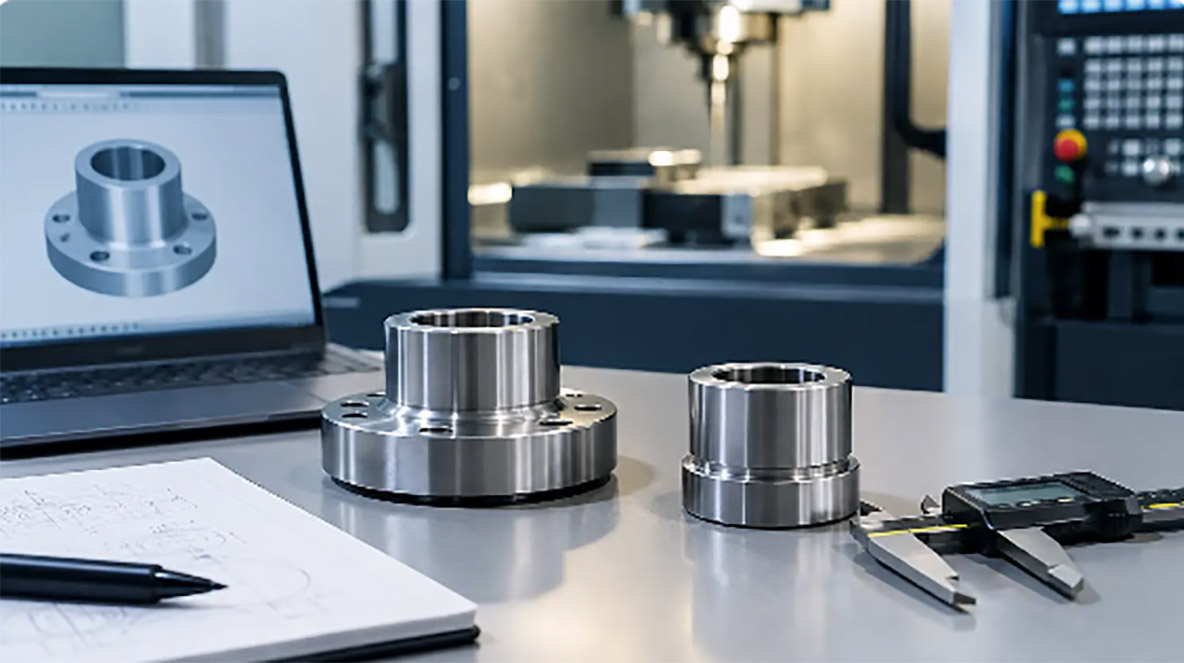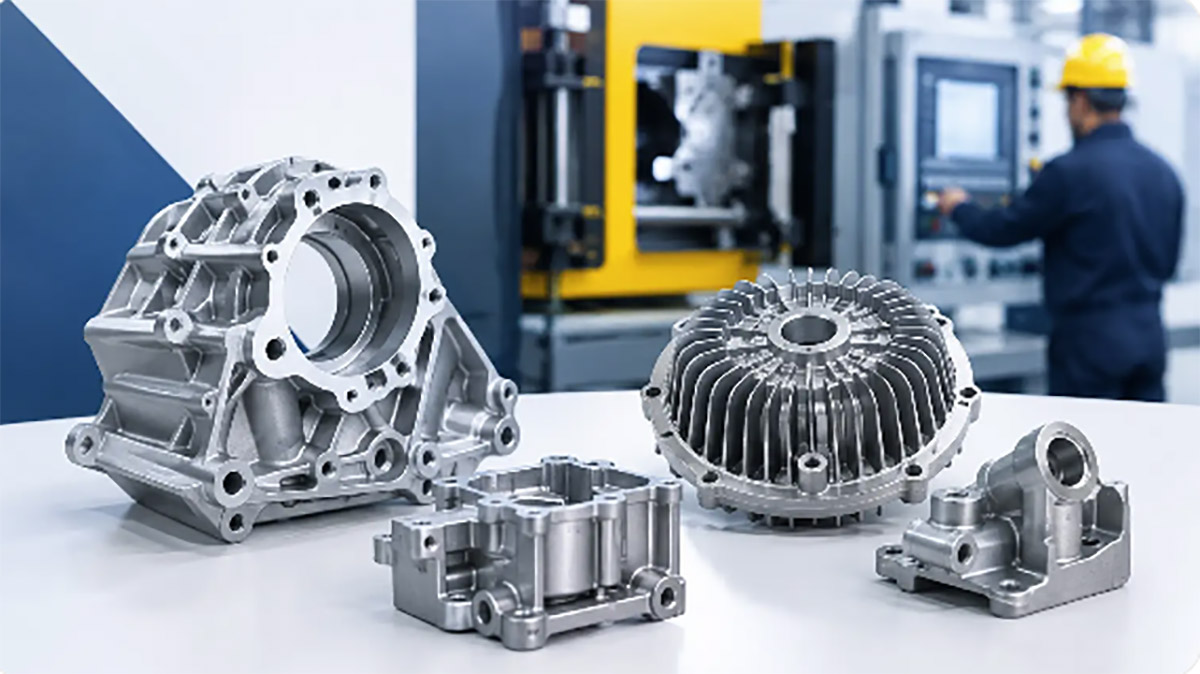
Learn how to choose a custom injection mold manufacturer beyond price. Discover why integrated capabilities in Prototyping, CNC machining, Die Casting, and Injection Molding reduce project risk. Includes a buyer’s checklist for engineering and procurement teams.

A mold quote that looks competitive on day one can become expensive by the first tooling revision. This is usually where buyers learn the real difference between a commodity vendor and a capable custom injection mold manufacturer. The issue isn’t only who can cut steel; it’s who can review part geometry early, prevent avoidable tooling changes, control molding variables, and provide ongoing support after T1 samples are approved.
For procurement teams, engineers, and product companies, supplier selection is rarely just about mold price. It is about whether the manufacturer can carry a part from to stable production without creating delays, scrap, or quality drift. If your product has cosmetic surfaces, tight tolerances, insert requirements, or assembly dependencies, the mold supplier affects much more than just tooling—it affects your entire production timeline.
What a Custom Injection Mold Manufacturer Should Actually Provide
A qualified supplier should deliver more than a cavity and a shipment date. The real work starts before tool steel is ordered. Part review, DFM (Design for Manufacturability) feedback, gate and parting line planning, shrinkage analysis, ejection strategy, texture feasibility, and tolerance assessment all have a direct effect on performance and molded part quality.
Many production problems are “designed in” at the front end. Sink marks, flash, warp, drag marks, short shots, and cosmetic inconsistencies often trace back to decisions made during tool design. If a manufacturer treats tooling as an isolated transaction, you will end up managing the downstream risk yourself.
A stronger manufacturing partner connects tooling decisions to production realities. Resin selection, expected annual volume, maintenance intervals, interchangeable inserts, and automation potential should be discussed early. A pilot-run mold for market testing is not built the same way as a tool intended for long-term, high-volume output.
How to Evaluate a Custom Injection Mold Manufacturer
1. Technical Communication
The first filter is responsiveness and detail. If your RFQ includes 3D files, 2D tolerances, resin requirements, and assembly context, the supplier’s response should reflect those details. A generic quote with no questions is a warning sign. Good suppliers ask where flatness matters, whether gate vestige is visible, and what quality characteristics are critical.
2. DFM Discipline
You want actionable feedback on wall thickness, undercuts, draft, shutoff areas, and rib proportions. Sometimes the best advice is to leave the design alone; other times, a small geometry update can reduce tool complexity and prevent recurring defects. This is particularly crucial when transitioning from to production molds, as machining tolerances and material behaviors differ significantly from molded parts.
3. Process Range
If your project requires prototype iterations or for validation, a supplier that only builds molds may create coordination bottlenecks. For many OEMs, vendor fragmentation causes more delays than the manufacturing process itself. An integrated supplier reduces handoff risks, especially when design changes must flow seamlessly through tooling, molding, and assembly.
Tooling Capability Matters, But So Does Production Intent
Not every mold should be built to the same standard. A mold for a consumer enclosure with visible textures needs different steel, cooling, and venting than an internal bracket with wide tolerances. A practical manufacturer explains these trade-offs clearly. Higher upfront tooling costs can reduce long-run risk, but not every program needs the most expensive build. The goal is “fit for purpose,” not over-engineering.
Why DFM and Mold Flow Discussions Should Happen Early
By the time steel is cut, most cheap fixes are gone. Early DFM reviews provide room to optimize gate location, draft, and wall consistency without paying for rework.
Look for specificity. Generic comments like “add draft” are not helpful. Valuable feedback identifies that a textured sidewall needs 3 degrees instead of 1, or that a specific boss-to-wall transition is likely to sink. Similarly, mold flow analysis should be used with judgment—necessary for complex, thin-wall parts, but potentially excessive for simple geometries. A capable manufacturer knows the difference.
Quality Control Is Not Just Final Inspection
Many suppliers answer quality questions with a list of inspection equipment. While important, this is not the whole system. Molded part quality depends on tool build accuracy, machine process control, material handling, and reaction speed when a process drifts.
A reliable supplier should have a defined approach to incoming material control, in-process checks, and first-article validation. Whether your program requires PPAP documentation or a simpler control plan, the key question is: is quality built into the execution, or is it left to chance?
Lead Time Risk Usually Starts Before Production
Tool delays are often blamed on machining, but many schedule slips start earlier—with incomplete drawings, unclear resin specs, or cosmetic requirements defined too late. Responsive pre-production communication is critical. A manufacturer should confirm assumptions before starting, not after T1 samples fail. Clarity on mold design approval, trial schedules, and correction loops prevents costly surprises.
When Integrated Manufacturing Support Becomes the Better Choice
Evaluating a custom injection mold manufacturer solely on tooling price is too narrow. If your part requires inserts, pad printing, ultrasonic welding, or retail packaging, supplier fragmentation becomes a real cost.
This is where an integrated partner model proves its value. At Xiamen Creator Technology, we combine , , , molding, and assembly into a single workflow. For buyers managing both quality and schedule pressure, this approach reduces vendor fragmentation and keeps accountability clear throughout the project lifecycle. Because we control the tooling, the molding, and the ancillary processes, we can optimize the part design for injection molding before the first chip of steel is removed.
Questions Worth Asking Before You Place the Order
Before signing the PO, ensure your potential partner can answer these questions with specifics:
Design Changes: How are changes handled after DFM approval, and how are revisions documented?
Tool Intent: Is the quoted mold intended for pilot runs or full production life?
In-House Capabilities: What molding presses, inspection methods, and secondary operations (e.g., welding, printing, ) are available on-site?
Process Control: How do you monitor process drift, and what is your root-cause analysis procedure?
Assembly Context: Do you understand how this part affects the performance of my finished product?
The best supplier conversations connect resin behavior, mold design, tolerance control, and commercial targets in one discussion. That is usually a better predictor of project success than a low initial quote.
Choosing a manufacturing partner is really about reducing preventable problems before they become expensive. If a supplier can think past the tool and into production, you are in a far better position to launch on time and scale with fewer surprises.
Key Takeaways for Buyers
Price ≠ Value: A low quote often hides future costs from rework and delays.
DFM is Critical: Look for specific, actionable feedback before the steel is cut.
Match the Tool to the Job: Ensure the mold build matches your volume needs (pilot vs. mass production).
Integration Wins: Consolidating , , and under one partner reduces risk and miscommunication.
Ask Specific Questions: Use the checklist above to gauge a supplier's true capability.