Compare cnc machining vs 3d printing for prototypes and production. Learn the tradeoffs in cost, speed, materials, tolerances, and scale.

A
prototype that looks right on screen can fail fast once it reaches production
reality. That is why cnc machining vs 3d printing is not just a process
comparison. It is a decision that affects lead time, tolerances, unit cost,
material performance, and how smoothly a design moves from prototype to
production.
For product teams, engineers,
and sourcing managers, the right answer depends on what the part needs to do. A
cosmetic housing, a functional jig, a low-volume metal bracket, and a
production-ready plastic component do not follow the same path. The mistake is
treating CNC machining and 3D printing as interchangeable. In practice, they
solve different manufacturing problems, and many projects use both at different
stages.
CNC machining vs 3D printing: the
core difference
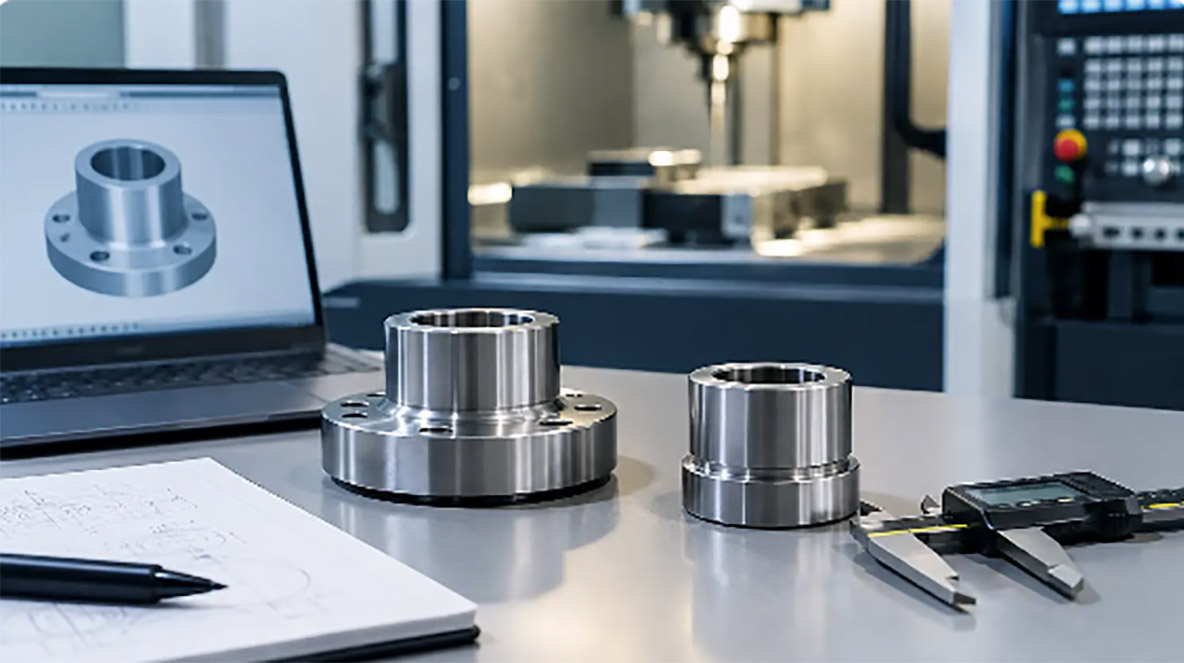
CNC machining is a subtractive process. A machine
removes material from a solid block of metal or plastic until the final
geometry is achieved. This approach is widely used for functional prototypes,
end-use parts, fixtures, and production components where dimensional control
and material integrity matter.
3D printing is an additive
process. The machine builds the part layer by layer from resin, powder,
filament, or other feedstock. It is often used for early prototypes, concept
verification, complex forms, and low-volume parts that benefit from fast
iteration without tooling.
That basic distinction shapes
everything else. CNC machining typically delivers tighter tolerances, better
surface consistency after finishing, and access to production-grade materials.
3D printing usually offers more design freedom, lower setup barriers for
one-off parts, and faster revision cycles for complex geometries.
When CNC machining is the better
choice
If the part must perform under load, fit precisely
with mating components, or represent final production material behavior, CNC
machining usually has the advantage. Machined aluminum, stainless steel, POM,
ABS, PC, nylon, and other engineering materials behave more predictably than
many printed substitutes.
This matters in product
development. A metal enclosure prototype may need exact mounting hole positions, thread quality, and flatness
to validate assembly. A plastic structural component may need real-world
mechanical data before tooling decisions are made. In these cases, a machined
prototype gives a more reliable basis for engineering review.
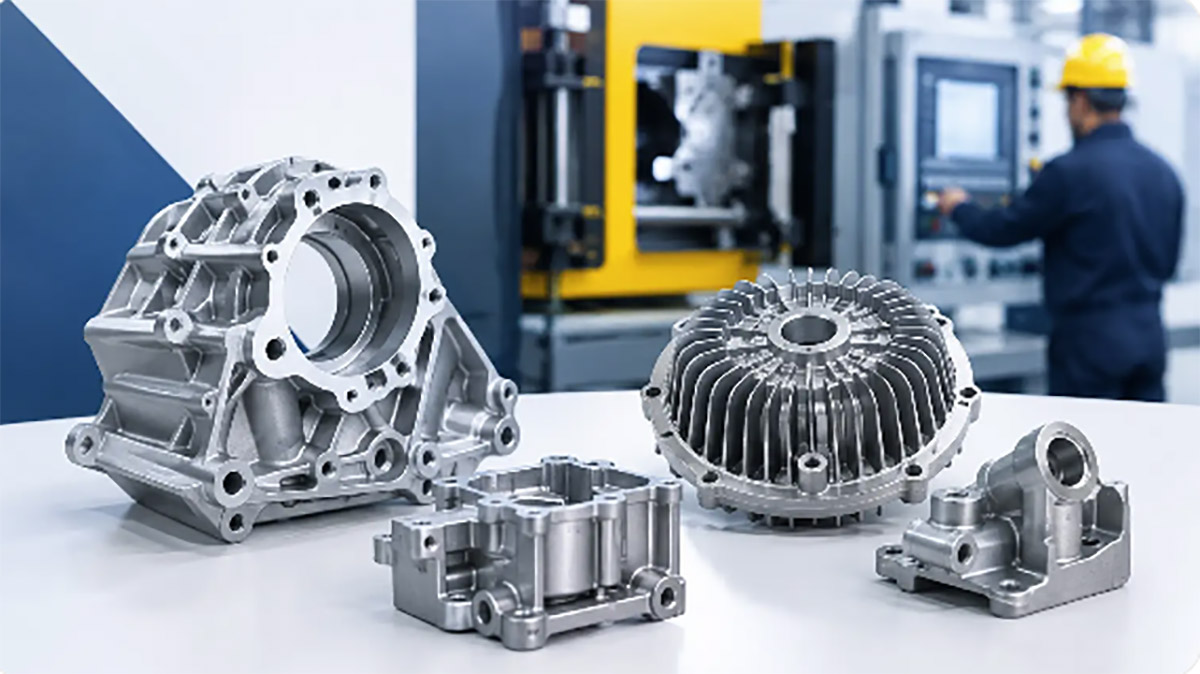
CNC also fits low-volume
production well when part geometry is practical to machine and volumes do not
justify tooling. For brackets, housings, heat sinks, fixtures, and customized
metal or plastic parts, machining can bridge the gap between prototyping and
mass production.
There are limitations. Complex
internal channels, lattice structures, and highly organic forms can be
difficult or expensive to machine. Material waste is also higher because the
process removes stock. Setup time, toolpath programming, and fixturing can
increase cost, especially for one-off parts with multiple operations.
When 3D printing makes more sense
3D printing is often the fastest route when the
priority is design validation. If the team needs to check size, ergonomics,
appearance, or assembly logic before committing to harder manufacturing steps,
printed parts reduce friction. There is no need to machine away material, and
there is usually less process setup for geometry changes.
It is especially useful when
designs change frequently. Industrial designers refining a consumer product
housing or engineers evaluating several enclosure layouts can move quickly
through revisions. SLA can provide high-detail cosmetic prototypes. SLS can
support more functional plastic parts without support marks in the same way as
some other printing methods.
3D printing also opens design
options that are difficult with conventional machining. Internal features,
lightweight structures, and shape complexity can often be produced more
directly. For low-volume specialty parts, that can outweigh limitations in
finish or material behavior.
The tradeoff is performance
consistency. Printed parts are often anisotropic, meaning strength can vary
depending on print orientation and process. Surface finish may require
post-processing. Tolerances can be acceptable for many prototypes, but they are
not always ideal for precision assemblies without secondary work. For
customer-facing or mechanically demanding parts, those limits matter.
Cost is not as simple as cheap vs
expensive
Buyers often assume 3D printing is always cheaper for
prototypes and CNC is always more expensive. That is only partly true.
For a single complex
prototype, 3D printing can be cost-effective because there is minimal tooling
and setup. If the geometry would require multiple machining operations, custom
fixturing, or long cycle times, printing may be the lower-cost option.
But for simple parts, CNC can
compete very well. A straightforward machined plate, bracket, or block-like
plastic component may cost less than a printed version that needs cleanup and
still does not meet final-use requirements. Machining also becomes more attractive
when the part must be remade in stable, repeatable quality.
Volume changes the picture
again. If quantities increase beyond prototype range, neither CNC nor 3D
printing may be the final answer. Injection molding, die
casting, stamping, or silicone tooling may offer better unit economics. That is
why process selection should be tied to the full product lifecycle, not just
the first sample.
Material choice often decides the
process
The material requirement should be defined before
comparing process pricing. If the part must be made from 6061 aluminum,
stainless steel, PEEK, Delrin, or another production-grade engineering
material, CNC machining is often the practical route. It gives a part with
known material properties and closer alignment to end-use conditions.
If the requirement is visual
validation, early form testing, or quick review of a concept, printed resin or
nylon may be enough. That can shorten development time and avoid spending money
on overbuilt prototypes.
The risk comes when teams
validate a design in a printed material that does not represent final-use
behavior. A printed housing may pass a bench review but fail after switching to
molded ABS or machined PC because wall thickness, bosses, snap features, and
structural response change. Good process selection includes manufacturability
review, not just part fabrication.
Tolerances, finish, and assembly
performance
In CNC machining vs 3D printing, this is where many
sourcing decisions are made. If the part must fit bearings, fasteners, seals,
mating covers, or assembled electronics with limited tolerance stack-up, CNC is
usually the safer option. Machining is better suited to controlled dimensions,
flatness, concentricity, and clean threaded features.
3D printing can still support
assembly checks, but expectations need to be realistic. Printed holes may need
reaming. Surface finish can vary by process. Fine details may print well
visually but still require secondary finishing for production-like appearance
or fit.
For presentation models, user
testing samples, and concept proofing, those compromises may be acceptable. For
pilot assemblies, functional testing, or customer qualification samples, they
often are not.
The best approach is often not
either-or
Many successful programs use 3D printing first, then
move to CNC machining, then transition into tooling-based production. That
sequence reduces risk. Early printed models help confirm form and general
layout. Machined prototypes then validate functional dimensions, mechanical
properties, and assembly interfaces. Once the design is stable, production
tooling can be developed with fewer surprises.
This staged approach is
especially useful for plastic products, consumer electronics housings,
silicone-overmolded assemblies, and mixed-material products. It keeps iteration
fast early on while still forcing the design through realistic manufacturing
checks before scale-up.
For B2B product teams, this is
where a manufacturing partner adds value. The decision is rarely about one
process in isolation. It is about selecting the right process at the right
project stage, while keeping downstream tooling, sourcing, QC, and assembly requirements in view.
How to choose between CNC machining
and 3D printing
Start with the part function. Ask whether the part is
for visual review, engineering test, pilot build, or end use. Then look at
material requirements, tolerance needs, surface expectations, and quantity.
If the priority is speed for
early design iteration, 3D printing is often the right first step. If the
priority is dimensional precision, real material performance, or
production-intent validation, CNC machining is usually the better choice. If
the project is moving toward medium or high volume, also evaluate whether the
part should quickly transition into tooling-based manufacturing instead of
staying in prototype processes too long.
At Xiamen Creator Technology,
this kind of decision usually sits inside a broader manufacturing plan rather
than a standalone quote exercise. That is the practical way to reduce rework,
avoid process mismatch, and move from prototype to production with fewer
delays.
The useful question is not which
process is better in general. It is which process gives your team the clearest
path to a part that works, can be sourced reliably, and can scale without
forcing a redesign later.