Learn how to source molded components with specifications, capable tooling partners, quality controls, and a production plan that prevents costly delays.

A molded part can look simple in a
CAD model and become expensive very quickly once tooling, material behavior,
cosmetic requirements, and assembly tolerances enter the discussion.
Knowing how to source molded components means evaluating more
than unit price. The real objective is to obtain parts that meet functional requirements
consistently, arrive on schedule, and remain commercially viable as volumes
increase.
For procurement teams,
engineers, and OEM brands, the sourcing process should begin before a quotation
request is sent. Clear specifications, early design-for-manufacturing review,
and a supplier that can coordinate tooling with production reduce the risk of
late design changes, unstable quality, and repeated handoffs between vendors.
How to Source Molded Components
From the Right Supplier
Start by defining the component's job within the
finished product. Is it a structural housing, a flexible seal, a cosmetic
cover, a load-bearing mechanism, or an overmolded part that joins different
materials? The answer affects the molding process, resin or silicone selection,
tool construction, inspection method, and production economics.
Injection molding is typically
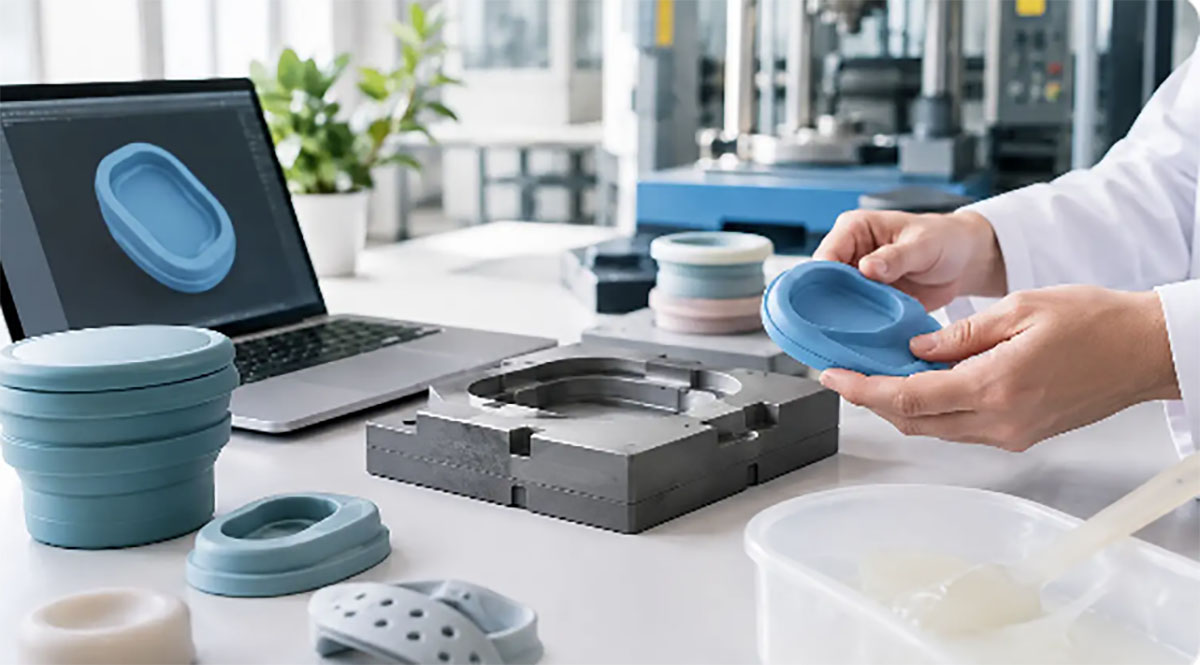
suitable for repeatable plastic parts at moderate to high volumes. Silicone
molding may be appropriate for gaskets, medical-grade components, soft-touch
features, or parts requiring heat and chemical resistance. Insert molding and
overmolding are useful when metal hardware, threaded inserts, cables, or a
second material must be integrated into the component. A supplier should be
able to explain why a process fits the application rather than simply quote the
process requested.
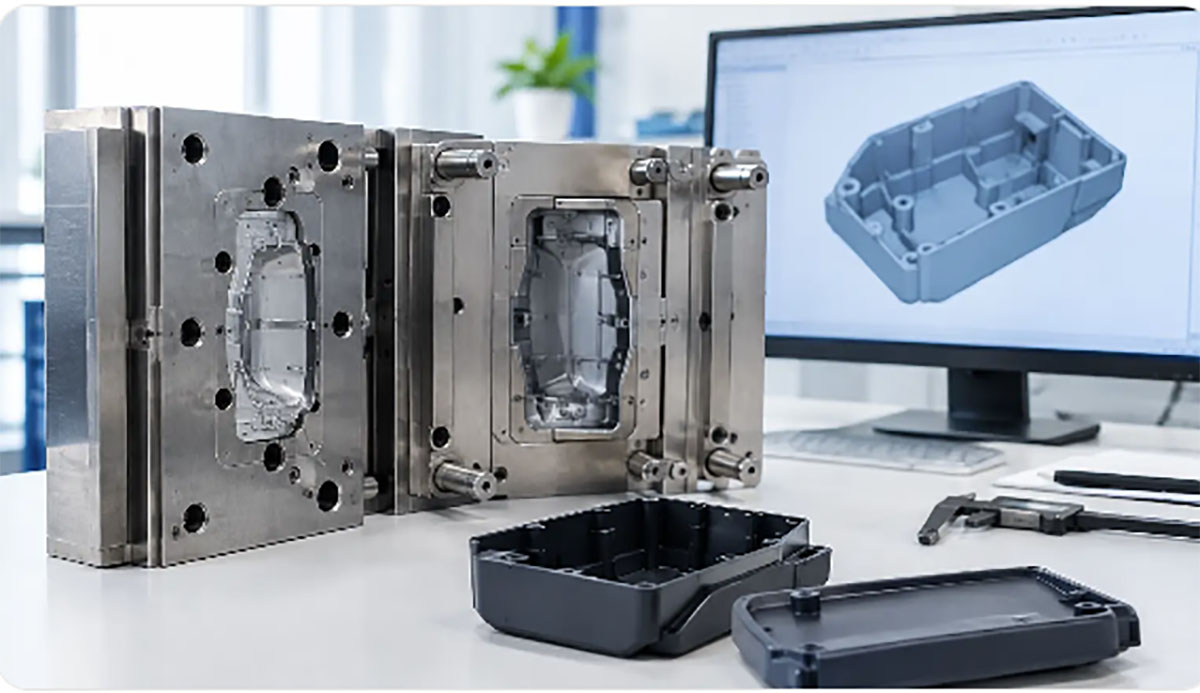
A capable molded-component
supplier should assess whether the design is ready for manufacturing. This
review should cover draft angles, wall thickness, ribs, bosses, undercuts,
gate locations, ejector placement, parting lines, shrinkage allowance, and
likely sink or warp risks. These details determine whether a mold can produce
the part repeatedly without excessive cycle times or secondary rework.
Supplier evaluation should
also consider the full production path. A molding shop may produce acceptable
parts, but your project can still slow down if tooling, inserts, finishing,
assembly, packaging, and quality documentation are managed by separate parties.
For products with multiple custom parts, an integrated manufacturing partner
can reduce coordination effort and provide clearer ownership when a production
issue occurs.
Assess technical capability, not just
equipment lists
Machine tonnage, mold size,
and material experience matter, but they are not the whole qualification
picture. Ask how the supplier handles mold trials, engineering changes, first article inspection, and corrective action.
Review whether it has experience with the resin family, surface finish,
tolerance range, and cosmetic standard required for your part.
For example, a black ABS
enclosure with a textured exterior has different process risks than a clear
polycarbonate lens or a glass-filled nylon bracket. Transparent parts may
reveal flow marks and stress more readily. Filled resins can accelerate tool
wear and create anisotropic shrinkage. Soft silicone parts can require
specialized post-curing and dimensional control. A meaningful supplier review
addresses those practical conditions early.
Request examples of inspection
reports that show actual dimensions, measurement tools, revision control, and
disposition of nonconforming parts. If the component is critical to fit,
sealing, safety, or electrical performance, define the control plan before
production begins. Quality cannot be added after a shipment has already failed
assembly.
Build a Quote Package That Produces
Comparable Pricing
A vague request for quote often produces vague
pricing. One supplier may assume a single-cavity prototype tool, while another
prices a multi-cavity production mold. One may include texture and packaging;
another may not. Comparing those quotations line by line can create a false
impression of savings.
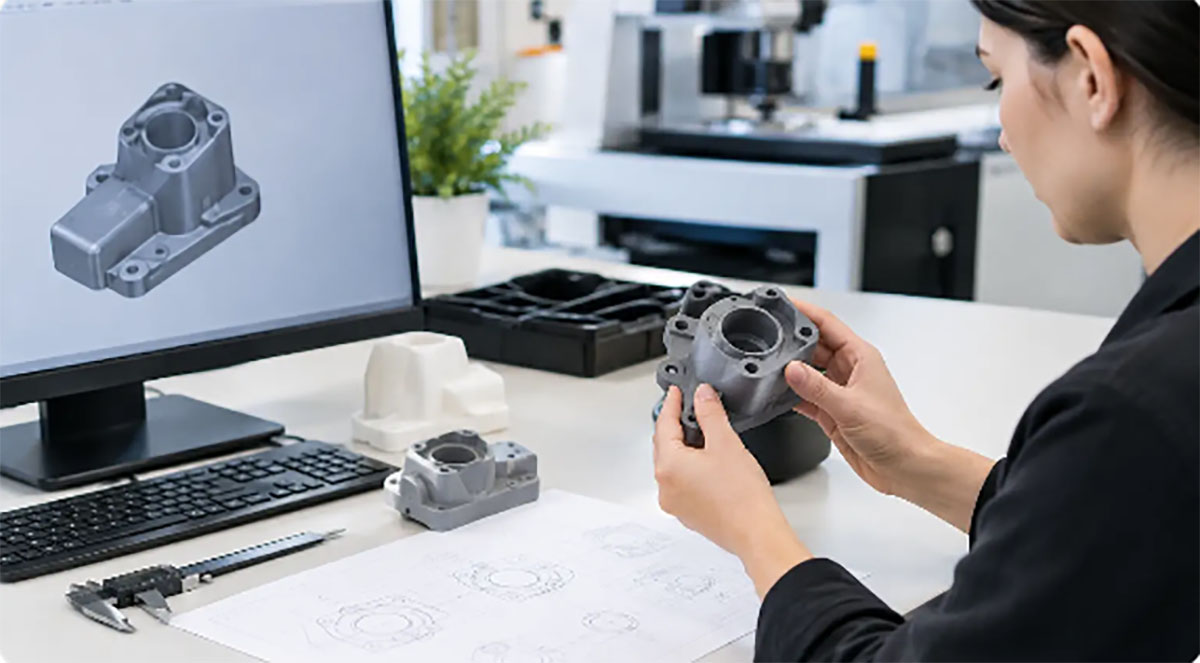
Provide a controlled RFQ
package with the latest 2D drawing and 3D model, material specification,
expected annual volume, target launch timing, color standard, surface
requirements, critical dimensions, and any applicable compliance requirements.
Include a description of the mating parts and assembly method when fit is
important. A molded component is rarely evaluated in isolation.
The most useful quote package
also identifies what is still undecided. If the project is considering PC, ABS,
PC/ABS, polypropylene, nylon, TPE, or liquid silicone rubber, say so. A
supplier can then recommend options based on strength, appearance, flexibility,
temperature exposure, chemical resistance, and cost. Specifying a material too
early without understanding its processing behavior can limit better
alternatives.
Tooling requirements deserve
separate attention. Ask for the expected mold life, cavity count, steel
selection, hot runner or cold runner approach, cycle-time estimate, maintenance
assumptions, and ownership terms. Low-volume bridge production may justify a
simpler tool. Long-term production may require hardened steel, multiple
cavities, automated part removal, and more extensive process validation. The
lowest tooling price is not always the lowest total cost.
Control Risk During Tooling and
First Production
Tooling is the point where product intent becomes a
physical manufacturing system. Before steel is cut, review the mold design and
confirm the approved part revision. This is also the time to resolve cosmetic
standards, acceptable gate vestige, flash limits, mold markings, texture
references, and any special handling requirements.
The first trial should be
treated as an engineering checkpoint, not merely a sample delivery. Inspect
critical dimensions, appearance, weight, assembly fit, and functional
performance. Document deviations clearly and distinguish between a design
issue, a tooling adjustment, and a process setting issue. Changing several
variables at once can obscure the true cause of a defect.
For components that will be
assembled into a larger product, run a pilot build with representative molded
parts before authorizing full production. A part can pass dimensional
inspection and still create problems during assembly because of stack-up, screw
engagement, snap-fit force, orientation, or interaction with adjacent
materials. Pilot builds expose these issues while changes are still manageable.
Process control becomes more
valuable as production volume rises. Confirm how the supplier records molding
parameters, controls resin drying, manages regrind material where permitted,
separates lots, and performs in-process inspection. For demanding programs,
establish an approved sample, inspection frequency, lot traceability, and a
process for communicating changes to material source, tooling, production
location, or process settings.
Balance Cost, Lead Time, and
Production Flexibility
Molded-component sourcing involves trade-offs. A
multi-cavity tool can reduce piece price but increases upfront tooling cost and
may be unnecessary for an uncertain launch forecast. A highly polished cosmetic
surface can improve product appearance but increases mold cost, maintenance
requirements, and sensitivity to defects. Tight tolerances may be feasible, but
they can increase inspection effort and reject risk if they do not reflect the part's
functional needs.
Lead time should be assessed
across the entire sequence: DFM review, tool design, tool fabrication,
sampling, revisions, material procurement, production, inspection, assembly,
and packing. A quoted molding lead time alone does not show when a finished
component will be ready for your line. Ask suppliers to identify long-lead
materials, imported inserts, custom colors, and external finishing processes
that could affect the schedule.
For new products, production
flexibility often has commercial value. A supplier that can support CNC or SLA prototypes, low-volume tooling,
injection molding, related metal parts, and final assembly can help teams
validate the design before committing to a large production run. Xiamen Creator
Technology uses this coordinated approach to reduce handoffs between prototype,
tooling, and production stages.
Keep Communication Structured After
Award
Once a supplier is selected, establish one approved
source of truth for drawings, CAD files, specifications, and engineering
changes. Informal changes made through messages or marked-up screenshots can
lead to costly confusion when multiple revisions are active. Every revision
should state what changed, why it changed, which inventory is affected, and
when the new version becomes effective.
Regular production updates
should focus on actionable information: tool status, sample results, open
technical questions, material readiness, planned production dates, inspection
findings, and shipping status. If a delay is likely, early notification gives
the customer time to adjust a build schedule or approve an alternative. Late
surprises are usually more damaging than an issue raised with a practical
recovery plan.
The strongest molded-component
supply relationships are built around measurable execution. When specifications
are complete, tooling decisions match volume expectations, and quality controls
reflect actual function, sourcing becomes less about chasing the lowest quote
and more about building a dependable production system.