A production run can fail for a reason as small as a 0.3 mm shift or unexpected silicone shrinkage. First Article Inspection (FAI) is the critical checkpoint that catches these issues before mass production begins. This guide explains how FAI works across CNC, molding, die casting, and assembly—and why disciplined FAI approval can prevent expensive downstream defects.

A production run can go off track for a very small reason - a hole is shifted by 0.3 mm, a silicone part shrinks more than expected, or a cosmetic surface misses the agreed standard. When that happens after full production starts, the cost multiplies quickly. That is why first article inspection manufacturing is a critical control point for custom parts, tooling validation, and launch readiness.
For OEM brands, engineers, and sourcing teams, first article inspection is not just a paperwork step. It is the moment where design intent, tooling condition, process setup, and supplier execution are checked against actual parts. Done well, it prevents repeat defects, shortens approval cycles, and gives both customer and manufacturer a clearer path into mass production.
What first article inspection manufacturing actually covers
First article inspection, often shortened to FAI, is the formal verification of the first parts produced from a manufacturing process. The goal is to confirm that the part matches the approved drawing, CAD data, material requirements, finish expectations, and any critical-to-function dimensions before routine production continues.
In practical terms, FAI can apply to CNC machined components, injection molded parts, die cast parts, stamped metal parts, silicone products, and assembled products. The scope depends on the product and the customer requirement. For a simple machined bracket, it may focus on dimensional verification and material confirmation. For a multi-part consumer product assembly, it may also include fit, appearance, labeling, and basic functional checks.
This matters because the first acceptable sample is often the reference point for future production. If that baseline is weak, every later batch becomes harder to control.
Why first article inspection matters before volume production
The main value of FAI is risk reduction, but the type of risk changes by project stage. During prototyping, it helps identify whether the drawing itself is realistic for production. After tooling is built, it shows whether mold steel, shrinkage compensation, gate design, and process parameters are producing the intended result. Before mass production, it provides evidence that the process is stable enough to move forward.
For procurement teams, FAI reduces the chance of receiving a full lot of nonconforming parts. For engineers, it provides measured data instead of assumptions. For startups and product teams launching a new device or consumer product, it can prevent expensive delays tied to assembly mismatch or field failures.
There is also a commercial reason to take it seriously. When first article approval is clear and documented, communication between customer and supplier improves. Fewer disputes happen later over whether a dimension was accepted, whether texture variation was allowed, or whether a cosmetic issue was already present on the approved sample.
What is usually included in a first article inspection report
A useful FAI report is more than a collection of measurements. It should connect the inspected sample to the exact manufacturing condition that created it. That means part traceability matters.
Most first article inspection packages include the approved drawing revision, ballooned dimensions, measured results, tolerance status, material or resin identification where required, finish or color verification if applicable, and photos of the inspected sample. Depending on the project, they may also include process records, mold cavity identification, assembly check results, and packaging verification.
For regulated or highly controlled industries, the documentation can become much more extensive. For general industrial, electronics, and consumer products, the level of detail often depends on part complexity and risk level. Not every part needs the same reporting depth. A cosmetic cover and a load-bearing structural part should not be treated identically.
When first article inspection should happen
A common mistake is treating FAI as a one-time event that only happens at initial launch. In reality, it should be triggered whenever a meaningful change could affect the part.
That includes a new tool, a tool modification, a material change, a process change, a machine transfer, a supplier change, or a drawing revision. Even if the part number stays the same, the need for a new first article review may still exist. If a mold is repaired, if a CNC fixture is updated, or if a stamped part moves to a different press setup, fresh verification may be necessary.
This is where experienced manufacturers add value. They know when a change is minor and when it can alter dimensions, fit, or appearance enough to require a controlled re-approval.
First article inspection in different manufacturing processes
FAI is not handled the same way across all production methods. The inspection plan should reflect the process.
CNC machining
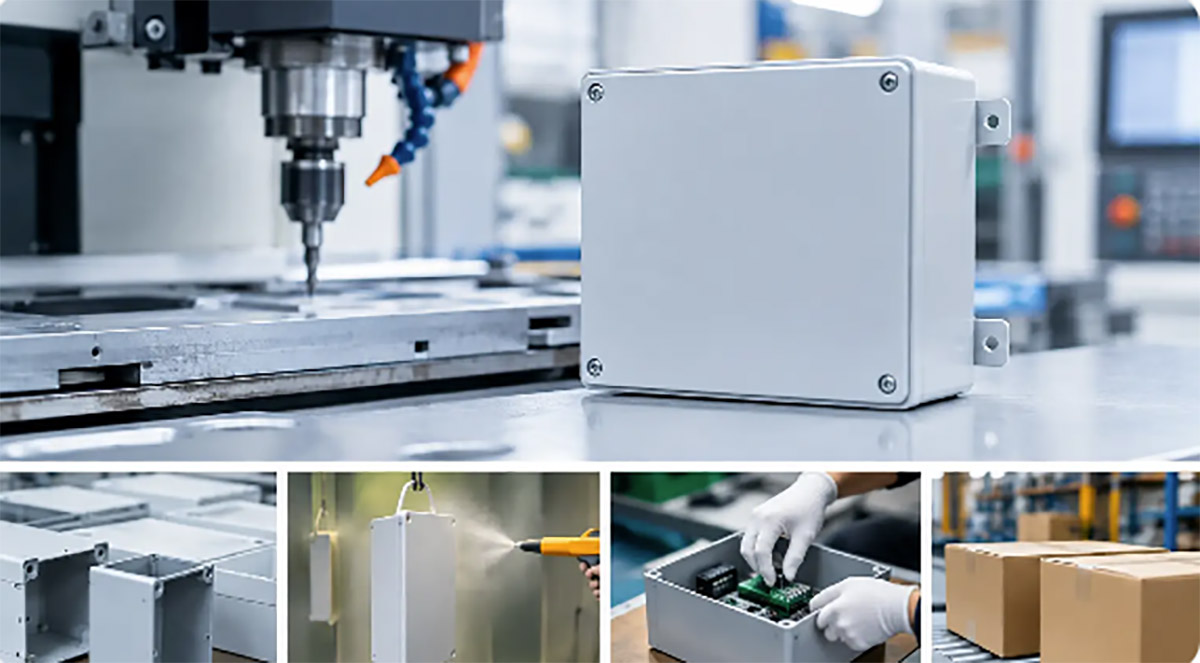
For machined parts, FAI usually centers on dimensional accuracy, thread quality, surface finish, and material verification. The process is relatively direct because the part comes from programmed cutting operations rather than mold behavior. Still, fixture stability, tool wear, and tolerance stack-up can cause problems, especially on tight-tolerance geometries.
Injection molding and silicone molding
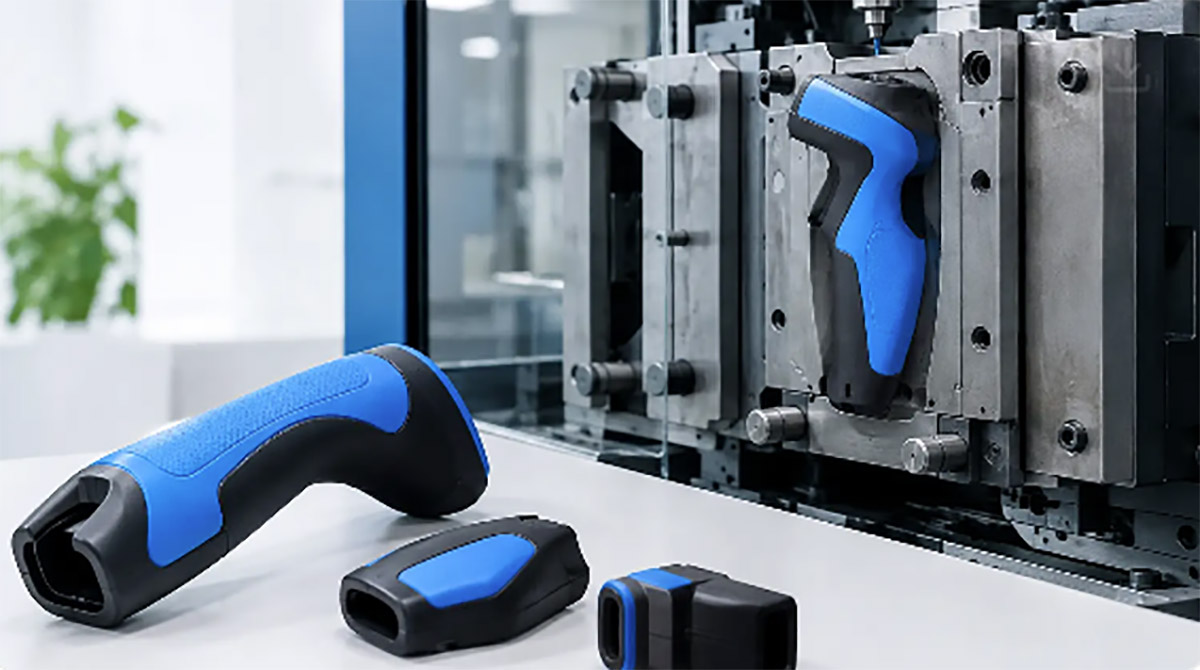
For molded parts, first article inspection has to account for shrinkage, warpage, gate vestige, flash, sink, parting line condition, and cosmetic consistency. A molded part may measure differently after cooling or after 24 hours of stabilization, so timing of inspection matters. If the part will be assembled, fit checks are often just as important as raw dimensions.
Die casting and stamping
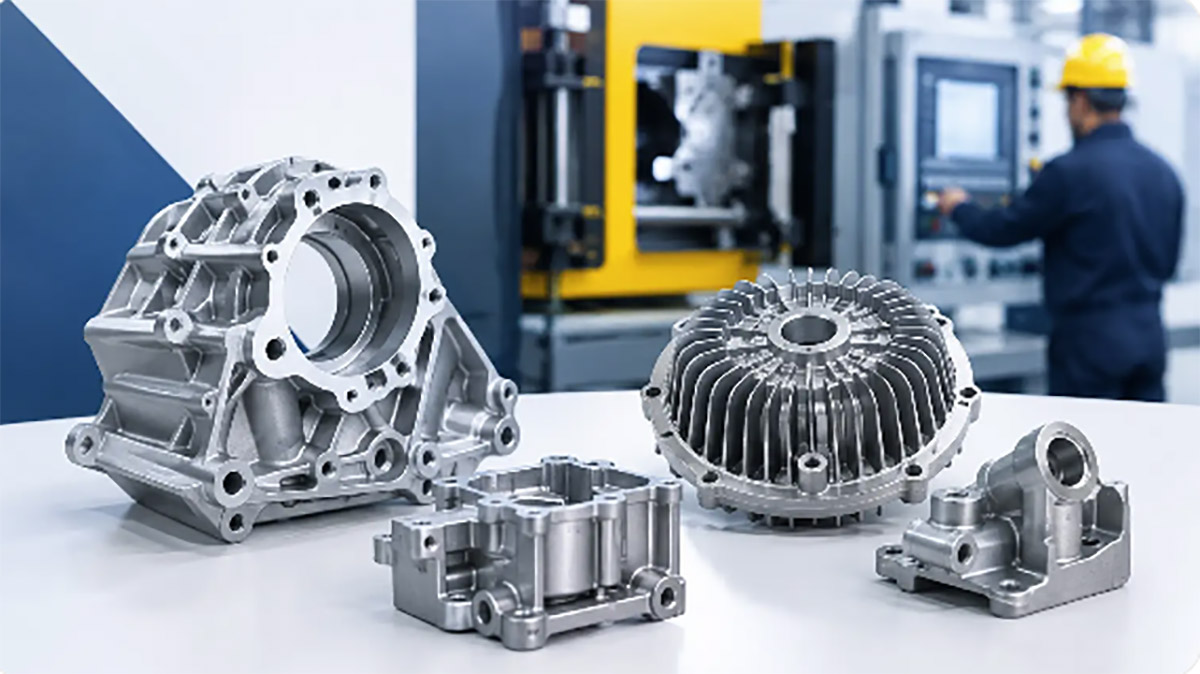
For metal forming processes, FAI often includes checks for burrs, flatness, hole position, wall thickness, and cosmetic defects caused by tooling condition. Secondary machining or finishing steps also need to be considered. A cast or stamped part may pass one stage but drift out of spec after trimming, tapping, coating, or bending.
Product assembly
At the assembly level, FAI expands beyond component dimensions. It may include torque checks, alignment, functional tests, packaging confirmation, and visual standards. This is especially important when multiple custom and sourced parts come together in one finished product.
Common problems FAI catches early
A strong first article process usually finds issues that are still affordable to correct. That is the point.
Some of the most common findings are dimensions drifting outside tolerance, interference between mating parts, cosmetic defects that exceed the approved standard, missing callouts on the drawing, and material substitutions that were never formally approved. In tooling-based production, FAI often reveals whether the tool needs steel safe adjustment, venting improvement, texture correction, or process tuning.
There is a trade-off here. A strict inspection standard protects quality, but it can also slow approval if the drawing is over-dimensioned or unrealistic for the process. If every noncritical feature carries a tight tolerance, teams can spend time debating measurements that have no effect on function. Good manufacturing support includes helping customers identify which dimensions are truly critical and which can be controlled more efficiently.
How to make first article inspection manufacturing more effective
The best FAI results usually come from preparation, not from more paperwork. If the drawing is incomplete, the revision level is unclear, or the cosmetic standard was never defined, inspection becomes harder and approval takes longer.
A better approach is to align the inspection plan with the actual product risk. Critical dimensions should be clear. Material and finish requirements should be documented before parts are made. If the product is an assembly, mating components should be available for verification. If color or texture matters, an approved reference should exist.
It also helps when one manufacturing partner can support the full path from prototype through tooling, pilot build, production, and assembly. That reduces handoff gaps between suppliers and makes root cause analysis faster when the first article exposes a problem. For companies moving from development into scalable production, that continuity can save both time and corrective cost.
At Xiamen Creator Technology, this type of control is most valuable on projects that combine multiple processes, such as molded housings, CNC details, silicone components, and final assembly. In those cases, first article approval is not just about one part passing inspection. It is about confirming the full production route is ready.
What buyers and engineers should ask before approving an FAI
Before approval, it is worth asking whether the inspected part came from the final process, final material, and production-intent tooling. A part can measure correctly in a trial condition and still fail later if the approved sample was not truly representative.
It is also worth checking whether the report covers the dimensions that matter most in use, not only the ones easiest to measure. If the part is for assembly, ask whether it was tested in the actual mating condition. If cosmetics matter, confirm the acceptance standard is visible and shared. If any deviation exists, make sure it is documented and formally accepted rather than discussed informally.
A first article should build confidence, not create ambiguity.
When handled with discipline, first article inspection manufacturing gives teams a controlled way to move from sample approval to repeatable production. It is one of the few checkpoints where a small delay can prevent a much larger one later, and that makes it worth getting right the first time.