When a product team says a supplier can "make the product," that can mean anything from machining a sample part to managing tooling, sourcing, assembly, packaging, and shipment readiness. That gap in definition is where many programs lose time and margin. This guide explains what comprehensive OEM product manufacturing services should actually include—and how integrated support reduces risk at every stage from prototype to repeatable mass production.

When a product team says a supplier can "make the
product," that can mean anything from machining a sample part to managing
tooling, sourcing, assembly, packaging, and shipment readiness. That gap in
definition is where many programs lose time and margin. OEM product
manufacturing services are most valuable when they cover the full path from
prototype validation to repeatable mass production, with the process controls
to keep quality and delivery stable as volumes increase.
For engineers, sourcing
managers, and OEM brands, the real question is not whether a factory can
produce parts. It is whether the manufacturer can carry a project through each
production stage without introducing avoidable handoff risk. A supplier that
handles prototyping but not tooling, or molding but not assembly, may still be
useful. But every additional vendor typically adds quoting delays, tolerance
interpretation issues, logistics friction, and more quality exposure.
What OEM product manufacturing
services actually include
At a practical level, OEM
product manufacturing services combine product realization and production
execution under one operating structure. The scope can start with design
support or drawing review, move into rapid prototyping, then continue through
tooling, pilot builds, production runs, secondary processing, assembly, and
packaging.
The exact mix depends on the
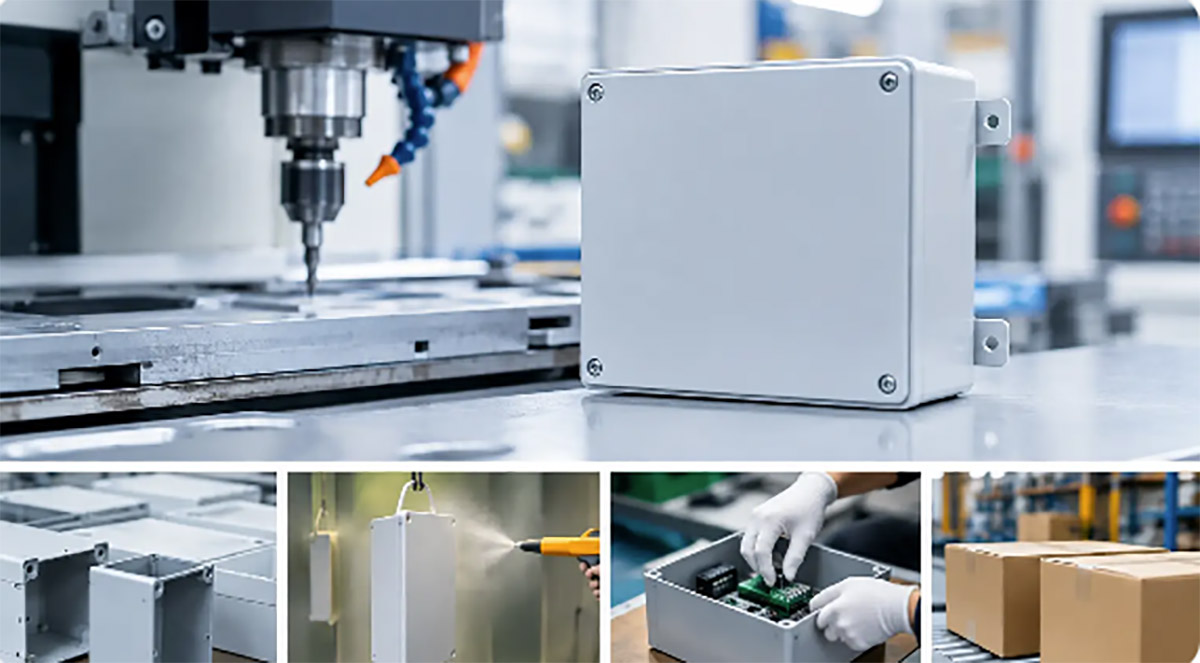
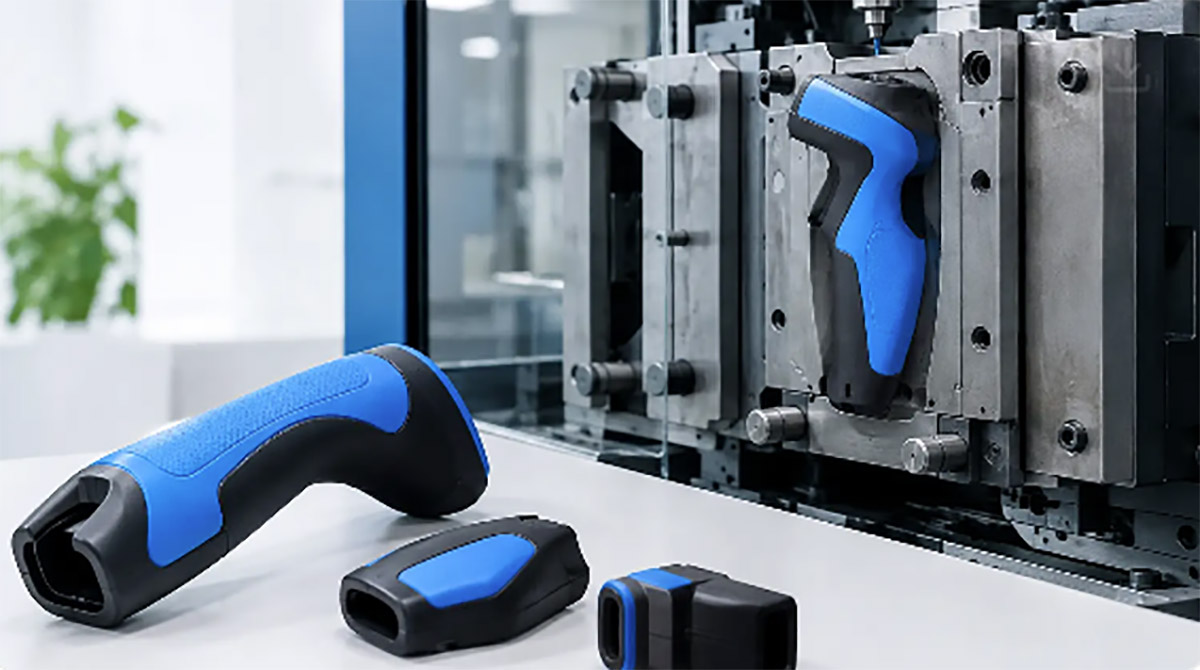
product. A consumer electronics enclosure may require CNC prototypes, plastic
injection molds, silicone keypads, metal inserts, surface finishing, and final
sub-assembly. A simpler industrial component may only need machining, die
casting, or stamping plus dimensional inspection. The service model matters
because those processes affect one another. Tooling design influences molding
stability. Part tolerances affect assembly yield. Packaging choices can change
cosmetic reject rates.
That is why buyers often look
beyond standalone process capability. They need a manufacturing partner that can
coordinate the sequence, not just perform isolated operations.
Why integrated OEM product
manufacturing services matter
The commercial case for integration is
straightforward. Fewer disconnected suppliers usually means fewer revision
loops, fewer purchasing touchpoints, and better visibility on total production
cost. But the stronger argument is operational control.
When one partner manages
prototyping and production together, manufacturability feedback arrives
earlier. Wall thickness issues, undercuts, draft angles, sink risk, gating
options, insert fit, and assembly tolerances can be flagged before tooling is
cut. That reduces the chance of discovering a preventable design problem after
capital has already been committed.
There is also a scheduling
advantage. Projects rarely move in a straight line. A pilot run may reveal a
fixture issue. An assembly station may need poka-yoke improvements. A cosmetic
surface may require a process adjustment. If the same team controls the
upstream and downstream manufacturing steps, changes can usually be implemented
faster and with less re-explanation.
This does not mean a
single-source model is always the lowest unit-price option. In some categories,
a specialized shop can beat an integrated supplier on one process alone. The
trade-off is that lower piece-part pricing can be offset by slower
coordination, added freight, inconsistent quality systems, and more internal
management time.
From prototype to production: the
stages that need control
Prototyping
and early validation
Early-stage prototypes are not only for appearance
review. They are where teams test fit, function, assembly logic, and
assumptions about materials and tolerances. CNC machining, SLA, and SLS each
serve different purposes. Machined prototypes can reflect production-like
dimensions and mechanical behavior. SLA parts are useful for visual models and
fast geometry checks. SLS can support more complex forms and functional testing
in certain applications.
The important point is that
prototype choices should support the next decision, not just generate a sample
quickly. If the prototype process is disconnected from later manufacturing,
teams can approve a design that is difficult or expensive to scale.
Tooling and pre-production planning
Tooling is where cost,
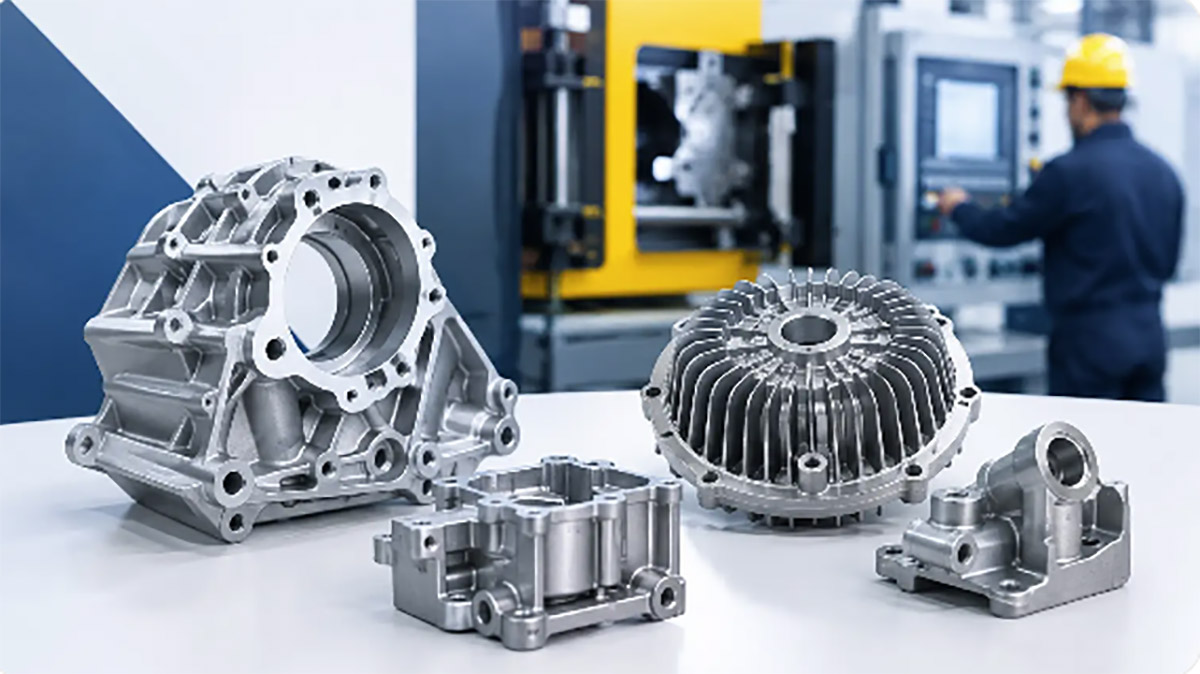
quality, and lead time start to lock in. Injection molds, silicone tools, die casting
dies, and stamping tools must be built around actual production conditions, not
only nominal CAD geometry. Material shrinkage, venting, gate location, ejector
strategy, cycle time, and wear expectations all matter.
This is also the point where
DFM and DFA input becomes commercially valuable. Small design revisions before
tooling can prevent larger problems during production. A part split adjustment,
rib change, boss reinforcement, or tolerance stack review may seem minor, but
it can decide whether the line runs smoothly or requires repeated manual
correction.
Pilot runs and process refinement
Pilot production is often where hidden problems
appear. Assembly operators may find a feature hard to orient. A molded
component may pass dimensional inspection but still create inconsistent fit.
Cosmetic standards may need clearer limit samples. None of these issues are
unusual.
What matters is whether the
manufacturer treats pilot builds as a controlled engineering stage rather than
a small version of mass production. Process capability, fixture setup,
inspection plans, packaging handling, and incoming material consistency should
all be reviewed before volume ramps up.
Mass production and ongoing quality
control
Stable production depends less
on promises and more on routine control. Incoming material inspection, in-process checks, final
inspection criteria, traceability methods, and corrective action discipline
determine whether output stays consistent over time. This is especially
relevant for OEM programs that combine plastics, silicone, metals, bought-in
electronics, and manual assembly.
A capable production partner
should be able to manage both repeated builds and planned changes. Volume
increases, alternate materials, component substitutions, and packaging updates
are common in long-running programs. The system has to absorb those changes
without destabilizing quality or delivery.
Process range matters more than
many buyers expect
A broad process portfolio is not just a marketing
point. It directly affects lead time and problem-solving speed. Products with
mixed-material construction often need several manufacturing methods in one
project, such as injection molding for housings, CNC machining for fixtures,
stamping for brackets, die casting for structural parts, and silicone molding
for seals or keypads.
If those processes sit under
coordinated project management, engineering changes can be evaluated with the
whole build in mind. If they are split across unrelated vendors, each supplier
tends to optimize its own part without owning the total assembly result.
For OEM brands, that
distinction becomes more important as products mature. Early builds can
tolerate a certain amount of manual adjustment. Production programs cannot.
Once forecast volumes rise, process variation that looked manageable in
prototypes can become expensive very quickly.
What buyers should evaluate in an
OEM manufacturing partner
Technical capability is the starting point, not the
final decision. Buyers should ask how the supplier manages transitions between
stages. A quote for tooling or molding is useful, but it does not show how
prototype learning is captured, how engineering changes are documented, or how
assembly and packaging are validated before shipment.
Communication discipline
matters as much as machine capacity. Strong OEM product manufacturing services
usually include clear drawing review, issue escalation, revision control, and
realistic lead-time planning. Problems in manufacturing are normal. The
difference is whether they are identified early, documented clearly, and
corrected without repeated confusion.
It is also worth looking at
production flexibility. Some programs need low-volume launch quantities before
they settle into regular orders. Others need a supplier that can support both
custom parts and complete product builds. The right partner should be
comfortable with that range and should not force every project into the same
operating model.
Quality systems should be
judged by execution, not terminology alone. Buyers should look for practical
evidence such as inspection checkpoints, sample approval flow, process
monitoring, assembly controls, and corrective action follow-through. If a
supplier cannot explain how quality is maintained across different processes,
scale-up risk is higher.
The common failure point:
fragmented responsibility
Many sourcing problems do not start with poor
manufacturing. They start with unclear ownership. One vendor makes the mold,
another runs molded parts, a third purchases components, and a fourth assembles
the product. When defects appear, each supplier can point to the previous step.
Integrated service reduces
that problem because accountability is less fragmented. A company such as
Xiamen Creator Technology, which supports prototyping, tooling, machining,
molding, assembly, and packaging within one manufacturing framework, can often
shorten decision cycles simply by reducing handoffs. That does not remove all
risk, but it makes root-cause analysis and corrective action more direct.
For procurement teams, this
also improves cost visibility. Unit price still matters, but so do mold
revisions, freight duplication, scrap exposure, and internal coordination
effort. Those costs are easy to underestimate when comparing suppliers only by
piece-part pricing.
Where OEM product manufacturing
services create the most value
The value is highest when a product has multiple
custom components, mixed processes, assembly requirements, or an uncertain path
from prototype to volume. In those cases, manufacturing support is not just
about making parts. It is about controlling the transition from concept
approval to dependable supply.
Simple commodity parts may not
need a full-service model. But custom consumer products, electronics housings,
silicone assemblies, and mechanical subassemblies usually benefit from
integrated control. The more interfaces a product has, the more expensive
unmanaged coordination becomes.
A useful way to evaluate the
service is to ask one question: can this supplier help reduce production
uncertainty at each stage? If the answer is yes, the relationship is likely to
deliver more than factory output. It will improve speed, consistency, and
decision quality across the whole program.
The best manufacturing
partnerships are rarely built on claims alone. They are built on fewer
surprises between the first sample and the thousandth shipment.