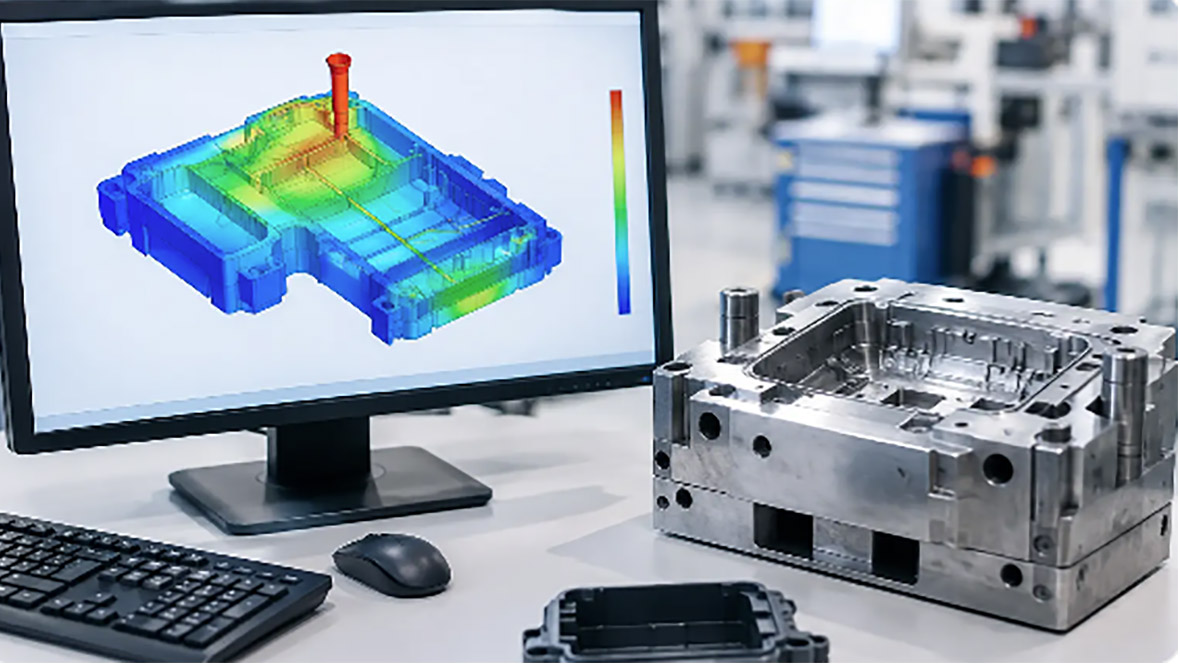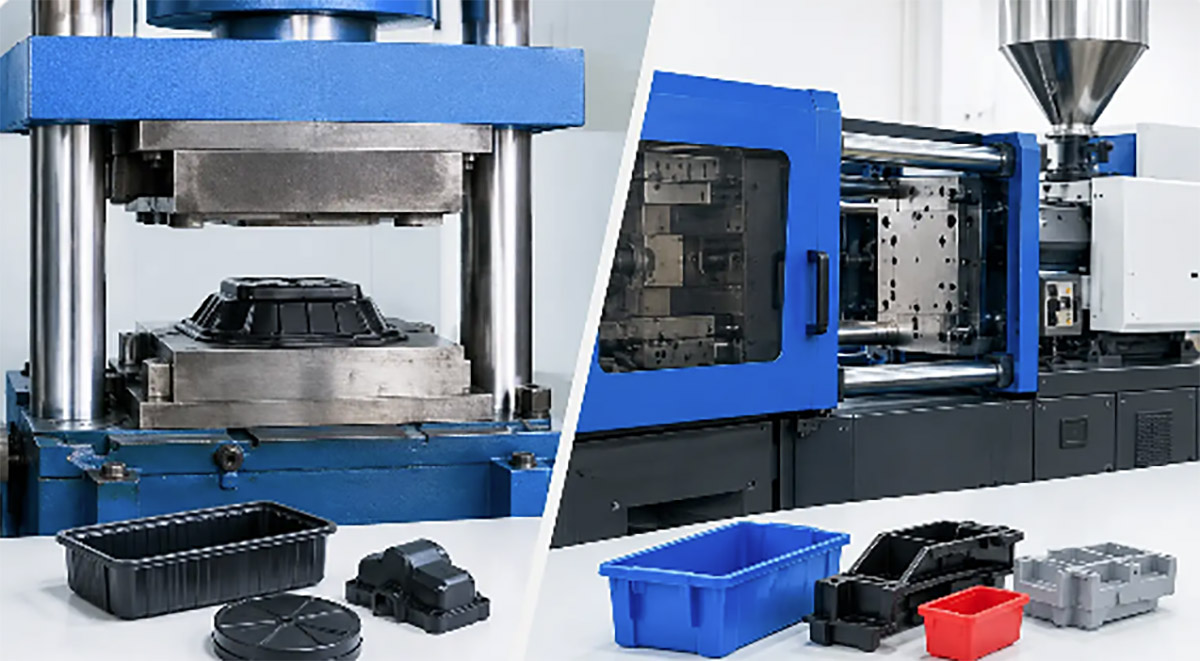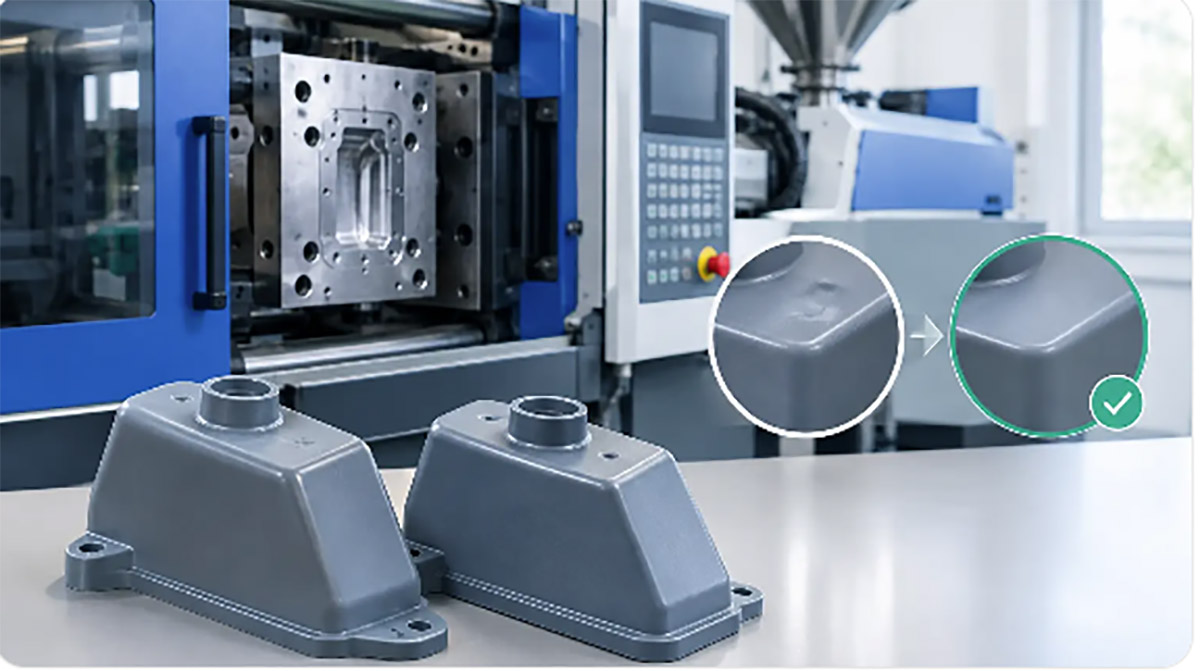
China prototype manufacturing can shorten development cycles when process selection, tolerances, materials, and inspection are controlled from the start.

A prototype that arrives quickly
but cannot be measured, assembled, or repeated is not a useful prototype. For
product teams, china prototype manufacturing is most valuable
when it converts a CAD model into evidence: whether the part fits, the material
performs, the assembly works, and the design can move toward production without
expensive rework.
The strongest prototype
programs do not treat speed as the only objective. They balance lead time,
cost, material accuracy, cosmetic requirements, and the manufacturing process
likely to be used at scale. That balance determines whether a prototype is
merely a visual sample or a practical engineering milestone.
What China Prototype Manufacturing
Should Deliver
A capable prototype supplier should help answer a
specific development question. For an early industrial design review,
appearance, size, and basic handling may matter most. For an engineering
validation build, dimensions, material behavior, fastening points, and assembly
tolerances take priority. For a pilot run, repeatability and production-like
processes become more relevant.
This is why one process rarely
suits every part. CNC machining can produce tight-tolerance functional
components from engineering plastics or metals. SLA is useful for high-detail
visual models and smooth surfaces. SLS is often a practical option for durable
nylon parts with complex geometry. Silicone or urethane casting can support
small batches when injection molding is premature, while soft tooling may be
appropriate when a design needs production-intent molded parts for testing.
The correct question is not,
“What is the fastest way to make this part?” It is, “What must this build
prove?” A sourcing decision becomes clearer once the team defines that
requirement.
Start With the Prototype Stage
Product development commonly moves through several
prototype stages, even if the names differ between companies. Combining every
requirement into one build often increases cost and slows decisions.
Appearance and concept models
Concept models validate form, ergonomics, product
footprint, and stakeholder response. They may use SLA printing, CNC-machined
plastic, painted surfaces, or simple assembled samples. Exact production
materials are not always necessary at this point, but critical interfaces
should still be represented where possible.
A handheld electronics
enclosure, for example, may need the right wall thickness, button locations,
and display opening even when its internal features are not final. If the
casing will later include a gasket, the concept model should leave enough space
to evaluate the sealing strategy rather than postponing that constraint.
Functional engineering prototypes
Functional prototypes test the
way a component behaves. Engineers may need the actual resin grade, a metal
alloy with similar mechanical properties, or a close substitute that can
withstand testing. CNC
machining is
frequently used at this stage because it provides predictable dimensions and
material options without the lead time of production tooling.
This stage should expose
problems in fits, screw bosses, snap features, heat management, moving
mechanisms, cable routing, and tolerance accumulation. A good functional
prototype is not expected to look perfect. Its job is to fail early enough for
the design team to correct the cause.
Pilot and production-intent builds
Once the design is substantially stable, the goal
shifts to manufacturability. Tooling strategy, draft angles, gate locations,
surface texture, cycle time, assembly fixtures, and packaging begin to affect
the result. Short-run molding, silicone tooling, or production tooling may be
considered depending on volume forecasts and design maturity.
A pilot build also tests
operational details that CAD cannot fully show: whether operators can assemble
the unit consistently, whether purchased components arrive within
specification, and whether inspection methods catch defects before shipment.
Choose the Process Based on Risk,
Not Habit
China offers broad access to prototype processes, but
process selection should follow the part’s geometry, performance requirements,
quantity, and next decision point. Choosing a familiar method by default can
create misleading test results.
CNC machining is generally
appropriate for low-volume functional parts, precision fixtures, metal
components, and prototypes requiring controlled dimensions. It can also provide
better thread strength and more realistic mechanical behavior than many printed
materials. Its limitations include higher cost for complex geometry, material
waste, and machining constraints in deep internal areas.
SLA printing is well suited to
detailed shapes, presentation models, and small intricate features. It can
produce excellent surface quality, but standard resins may not represent the
impact strength, heat resistance, or long-term behavior of a molded engineering
plastic. It is effective when used for the right validation task, not as a
stand-in for every final material.
SLS printing supports complex
nylon components without many of the support structures associated with other
printing methods. It is useful for housings, brackets, ducts, and functional
assemblies. Surface finish is generally rougher than SLA or CNC machining, and
porous surfaces may require post-processing for cosmetic or sealing
requirements.
For molded plastic parts,
silicone tooling and low-volume
injection molding can bridge the gap between machined or printed prototypes and
hardened production molds. This route gives teams more realistic wall thickness
behavior, material flow, and molded-part appearance. It requires a more stable
design, however, because changes after tooling begins carry additional cost and
time.
Control the Inputs Before
Production Starts
Most prototype delays originate before any machine
begins work. Incomplete drawings, ambiguous finishes, missing revision control,
and unconfirmed material substitutions create uncertainty that turns into
back-and-forth communication or incorrect parts.
A complete prototype package
should identify the current CAD revision, critical dimensions, tolerance
requirements, material grade, color or finish requirement, quantity, and
intended test use. For assemblies, include a bill of materials and an exploded
view when available. Marking critical-to-function dimensions is especially
useful because it tells the manufacturing team where inspection effort should
be concentrated.
Not every dimension needs a
tight tolerance. Over-tolerancing increases machining time, inspection
complexity, and cost without necessarily improving product performance.
Conversely, broad default tolerances on mating parts can produce an assembly
that looks acceptable individually but fails when combined. Tolerances should
reflect the actual function of each interface.
Design for manufacturing
feedback should be requested early. A supplier may identify thin walls that
will distort, internal corners that require a larger cutter radius, snap
features that are difficult to mold, or cosmetic surfaces likely to show sink
marks. These are not minor production comments. They are design decisions with
commercial consequences.
Inspection Must Match the
Prototype’s Purpose
Inspection is often treated as a final checkpoint, but
it should be planned alongside the order. If a prototype will validate a press
fit, a visual inspection is insufficient. If it will support a customer
presentation, cosmetic acceptance criteria need to be defined before finishing
begins.
For dimensional parts, request
inspection against the approved drawing and focus the report on critical
features. Depending on the part, this may include caliper
measurements, height gauge checks, pin gauges, thread gauges, or coordinate measuring
machine inspection. For assemblies, verify not only individual component
dimensions but also fit, function, orientation, torque, and movement.
Cosmetic requirements need
equal clarity. Specify texture, gloss range where relevant, color reference,
acceptable gate vestige, parting-line expectations, and the surface areas
considered customer-facing. Terms such as “high quality finish” are subjective
and difficult to inspect consistently.
For a multi-part prototype, a
first article review before the full batch can prevent repeated errors.
Confirming one completed sample is particularly valuable when parts involve
machining, painting, printing, purchased components, and assembly under one
build schedule.
Plan the Transition to Tooling
Early
A prototype can succeed in testing and still be a poor
basis for mass production. Machined features may not be moldable. Printed wall
sections may not cool evenly in injection molding. A part assembled by a
skilled technician may be too difficult for a repeatable production line.
Teams should begin production
planning before the final prototype round, especially for products with custom
plastic housings, silicone components, die-cast parts, stamped metal pieces, or
complex assemblies. Ask which features need draft, where tooling parting lines
may fall, whether undercuts require slides or lifters, and which surface
finishes affect mold cost.
The volume forecast matters. A
few hundred units may justify one tooling route, while annual demand in the
tens of thousands can support a different investment. It depends on expected product
life, design stability, target unit cost, and the risk of changes after launch.
The lowest initial tooling price is not always the lowest total cost if it
causes slow cycles, frequent maintenance, or inconsistent parts.
An integrated manufacturer can
reduce handoffs by coordinating prototyping, tooling, component sourcing,
assembly, and packaging under a shared production plan. For teams managing
multiple custom parts, this can make revision control and quality ownership
easier to manage. It does not remove the need for clear specifications, but it
reduces the number of interfaces where information can be lost.
Build Evidence Into Every Revision
Prototype work is most effective when each revision
produces a documented decision. Record what changed, why it changed, which test
the revision passed or failed, and which dimensions or materials remain open.
This creates a practical record for engineering, procurement, and the
production team that follows.
The most productive china
prototype manufacturing program is not the one with the fewest iterations. It
is the one in which every iteration resolves a meaningful uncertainty before
tooling, purchasing commitments, and production volume make that uncertainty
more expensive.