Use a structured contract manufacturer evaluation to verify process capability, quality controls, tooling readiness, capacity, and total production cost.

A
contract manufacturer evaluation should begin before an RFQ is issued, not
after a price is received. A low unit price can hide fragmented subcontracting,
weak process control, unrealistic lead times, or tooling assumptions that
create expensive changes later. For custom products, the right supplier must be
able to turn drawings, samples, and performance requirements into repeatable
production.
The evaluation process should
assess more than whether a factory can make a similar-looking part. It should
establish whether the manufacturer can control the materials, tooling,
dimensional requirements, assembly steps, inspection plan, packaging, and
production changes required for your specific product. This is especially
relevant when a program moves from prototype quantities to pilot builds and
then to continuous production.
Start the Contract Manufacturer
Evaluation With Product Fit
First, define what the supplier will actually be
responsible for. A manufacturer that is well suited to CNC-machined aluminum
housings may not be the right fit for silicone overmolding, cosmetic
injection-molded parts, or a finished electronic assembly. Capability claims
should be matched to the product's actual process chain.
Review the part geometry,
tolerances, materials, surface finish, expected volume, and critical-to-quality
features. For an assembled product, also identify purchased components,
firmware loading, labeling, functional testing, packaging, and any special
handling requirements. These details determine whether the supplier needs
in-house capability, qualified process partners, or both.
A broad manufacturing partner
can reduce coordination work when a product requires several processes. For
example, a program may need SLA prototypes for design verification, CNC
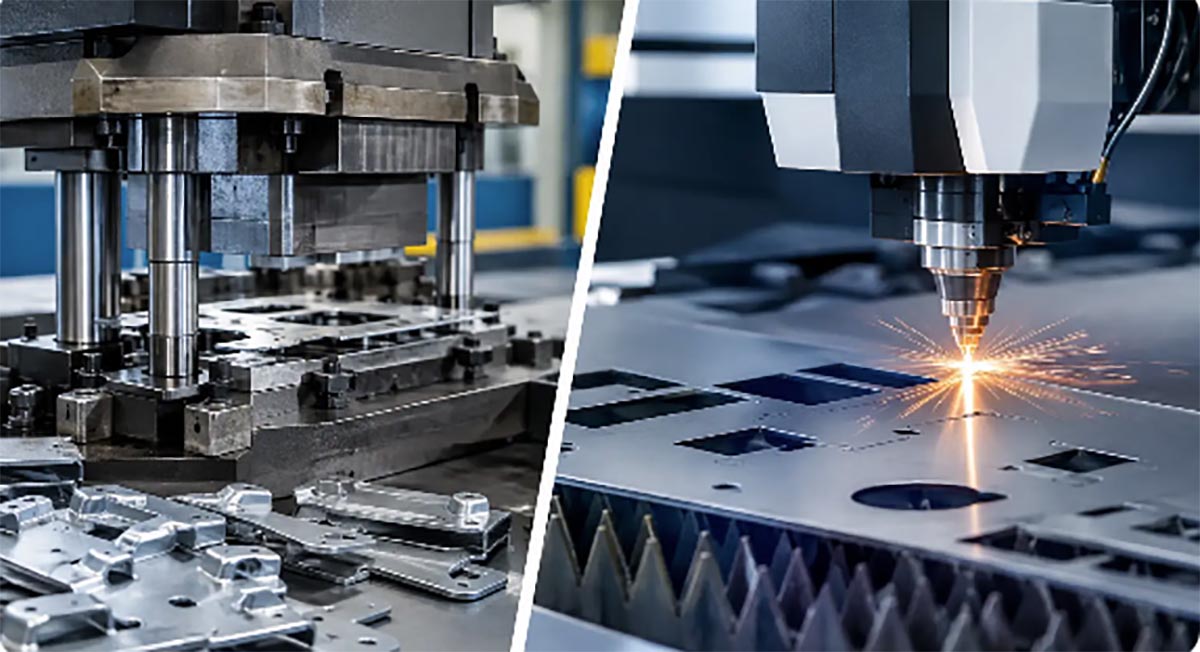
machining for functional testing, production tooling, injection molding, metal
stamping, assembly, and retail packaging. The benefit is not simply fewer
vendors. It is clearer ownership of part interfaces, schedules, quality
records, and engineering changes.
That said, a single-source
approach is not automatically best. A highly specialized supplier can be the
better choice when one process drives most of the product cost or technical
risk. The practical question is whether the proposed manufacturing structure
gives your team enough control, technical depth, and accountability.
Verify Manufacturing Capability
Beyond the Equipment List
Equipment lists are useful, but they do not prove that
a supplier can consistently make your part. Ask how the process will be set up
and controlled. The useful answers are specific: machine range, tooling
strategy, fixture design, material sourcing, inspection equipment, process
limits, and planned cycle time.
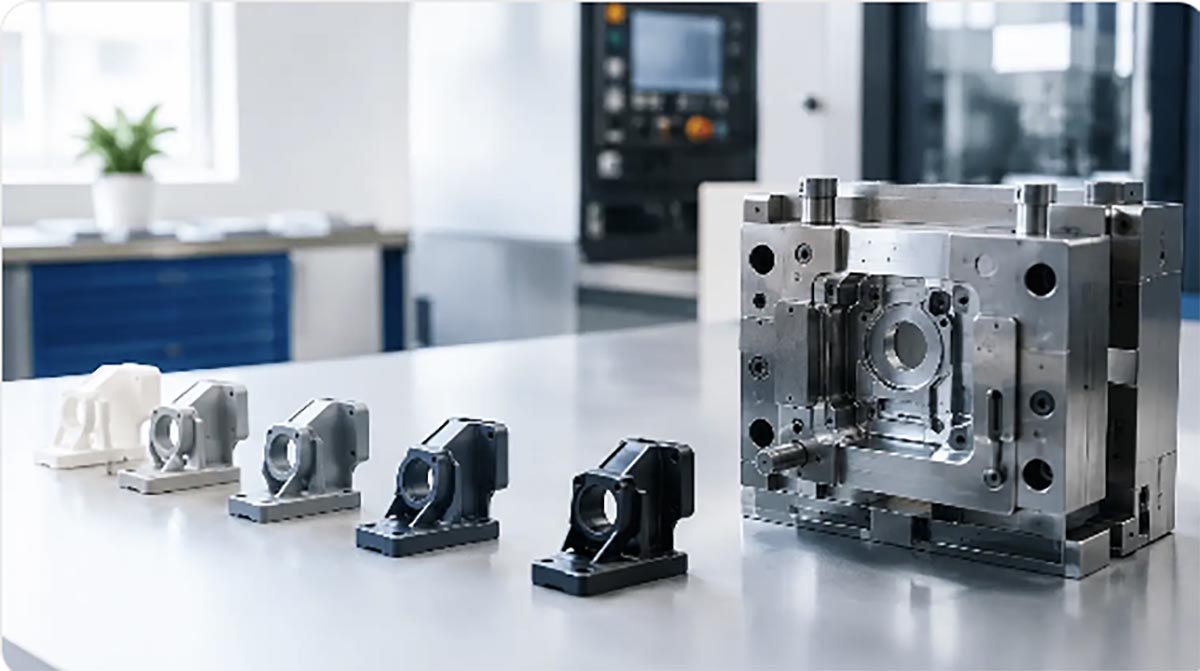
For molded parts,
evaluate mold design capability, steel selection, gate
location, cooling, expected tool life, mold maintenance, and sampling method. A
supplier should be prepared to discuss draft angles, wall thickness variation,
sinks, weld lines, shrinkage, parting lines, and ejection. If these issues are
ignored during quotation, they often return as cost increases or appearance
defects after tooling begins.
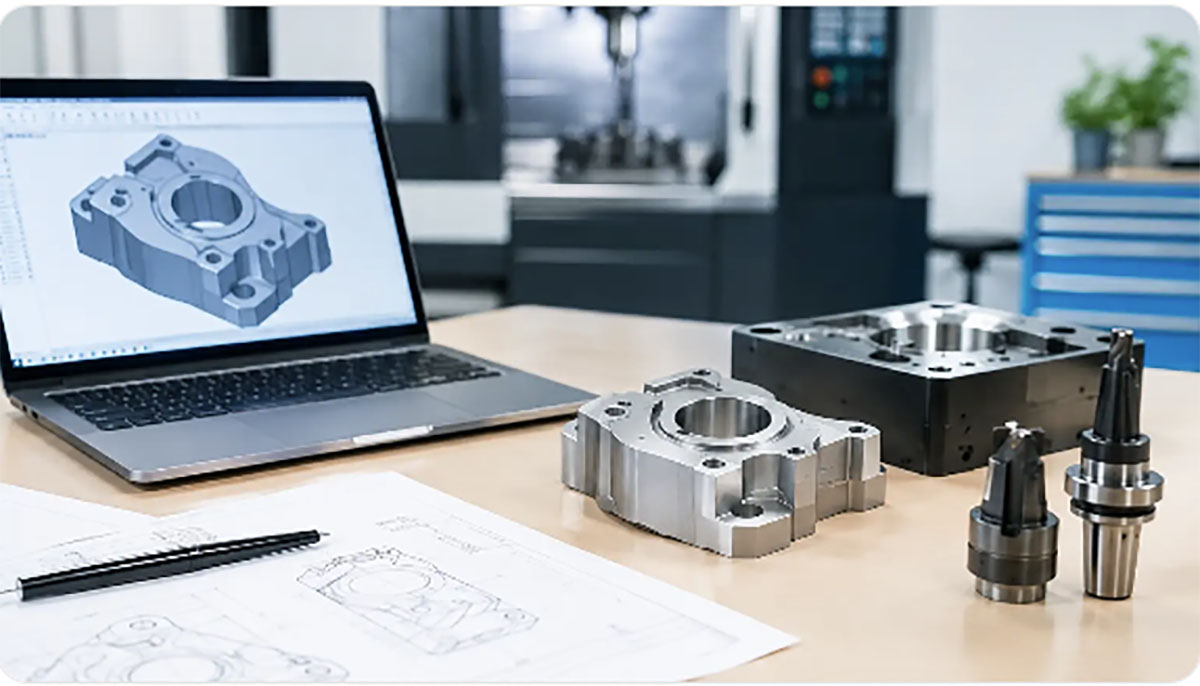
For machined components,
review datum strategy, tolerance stack-up, workholding, burr control, thread
verification, and finish requirements. For die-cast or stamped parts, examine
tooling complexity, secondary machining, flatness control, surface treatment,
and yield assumptions. When silicone, plastic, and metal parts come together in
one product, interface dimensions need particular attention.
Ask for a manufacturability
review before committing to tooling or production. DFM and DFA feedback should identify risks in
the current design and recommend changes that improve yield, assembly time,
cosmetic quality, or material use. Good feedback may challenge the drawing.
That is preferable to a supplier that accepts every requirement without
explaining how it will be achieved.
Assess Quality Control at Each
Production Stage
Final inspection alone cannot
compensate for an unstable process. Effective quality control begins with
incoming materials and continues through setup approval, first-article inspection, in-process checks, final
inspection, and shipment release.
Request an example quality
plan relevant to your product type. It should show what features will be
measured, how often they will be checked, what gauges or test fixtures will be
used, who records the results, and what happens when a part falls outside
specification. For critical dimensions, ask whether measurement data can be
provided rather than a simple pass or fail statement.
A practical quality review should
cover at least these areas:
·
Incoming inspection for resin, metal, purchased components, and cosmetic
materials
·
First-article approval against current drawings and specifications
·
In-process inspection at operations where defects can be created or contained
·
Functional and assembly testing for finished products
·
Nonconformance handling, root-cause analysis, corrective action, and
traceability
The needed level of
documentation depends on the product. A simple promotional item may only
require dimensional checks and appearance standards. A component used in
industrial equipment or consumer electronics may require lot traceability, test
records, controlled work instructions, and retained samples. Define the
requirement early so quality documentation is included in the quote and
production plan.
Test Communication and Engineering
Change Control
Manufacturing delays frequently come from unclear
decisions rather than machine capacity. During supplier evaluation, pay
attention to how the team handles incomplete data, tolerance conflicts, and
material substitutions. A capable manufacturer asks focused questions, provides
marked-up drawings when needed, and identifies decisions that affect cost or
lead time.
The quotation stage is also a
useful test of responsiveness. Look for a structured response that separates
tooling, unit pricing, material assumptions, secondary operations, assembly,
packaging, freight terms, and lead time. A quote with one unexplained total
makes later comparison difficult and can conceal exclusions.
Engineering changes need a
defined process. Confirm how drawing revisions are received, approved,
distributed to production, and linked to inspection requirements. Determine
whether old inventory, work in process, molds, fixtures, and packaging artwork
are reviewed whenever a revision changes. Even minor changes to wall thickness,
texture, a logo, or a connector can affect tooling and assembly.
For products still under
development, choose a supplier that can work through controlled iterations. Prototype
speed matters, but the purpose of a prototype is to reduce production
uncertainty. The supplier should be able to explain which prototype process
best represents final material, finish, strength, or manufacturing method, and
where it does not.
Compare Total Cost, Capacity, and
Commercial Risk
Unit price is only one part of the commercial
decision. Compare total landed manufacturing cost, including tooling, scrap
assumptions, secondary operations, assembly labor, packaging, inspection,
rework allowances, and logistics. A lower part price may be less valuable if it
requires separate vendors for molds, components, or final assembly.
Capacity should be evaluated
against both forecast volume and demand variability. Ask about available
machine time, mold storage, staffing, supplier lead times for materials, and
contingency plans for equipment downtime. For a new program, the ability to
support a low-volume pilot run before ramping to higher quantities can be more
valuable than maximum theoretical capacity.
Commercial terms also affect
program risk. Clarify tooling ownership, mold maintenance responsibilities,
payment milestones, minimum order quantities, material price adjustment rules,
warranty handling, and treatment of rejected parts. If the manufacturer manages
purchased components, establish who approves alternates and who carries
liability for incorrect or obsolete items.
A factory audit or remote
process review can validate the claims made during quotation. Focus on the
production areas relevant to your product, along with material storage,
inspection stations, calibration practices, work instructions, packaging
controls, and sample retention. The goal is not to find a perfect facility. It
is to confirm that the supplier's operating discipline matches the risk level
of your program.
Use a Pilot Build to Validate the
Decision
When the product and budget allow, use a pilot build
as the final stage of contract manufacturer evaluation. A pilot order tests
more than parts. It exposes real performance in scheduling, purchasing,
production setup, inspection, assembly, packaging, communication, and shipment.
Define pilot acceptance
criteria in advance. Include the approved drawing revision, cosmetic standard,
functional test requirements, packaging configuration, allowable defect level,
documentation, and delivery date. Review the build with the supplier after
completion and turn the findings into corrective actions before production
volume increases.
The best manufacturing partner
is not necessarily the one with the longest equipment list or the lowest
initial quote. It is the supplier that can show how your product will be built,
measured, controlled, and improved as requirements change. A careful evaluation
creates that clarity before production commitments make change slow and
expensive.