Contract manufacturing helps product teams move from prototype to production with better cost control, quality oversight, and fewer supplier gaps.

If your team is still managing separate vendors for
prototyping, tooling, molded parts, metal components, assembly, and packaging,
the cost is not only financial. It shows up in slower approvals, version
control problems, quality drift, and extra project management load. Contract
manufacturing is often the point where a product program becomes easier to scale
because execution moves under a more coordinated production model.
For hardware startups, OEM
brands, engineers, and procurement teams, the real question is not whether to
outsource production. It is whether the manufacturing partner can support the
product across stages without introducing new risk. That includes early design
feedback, process selection, tooling readiness, component sourcing, pilot
builds, production quality control, and delivery discipline.
What contract manufacturing
actually covers
Contract manufacturing can mean very different things
depending on the supplier. In a narrow model, it may only refer to a factory
producing parts to print. In a broader and more useful model, it includes the
transition from prototype validation into tooling, production planning,
assembly, and packaging.
That difference matters. A
supplier that only makes one process in isolation may be adequate for a simple
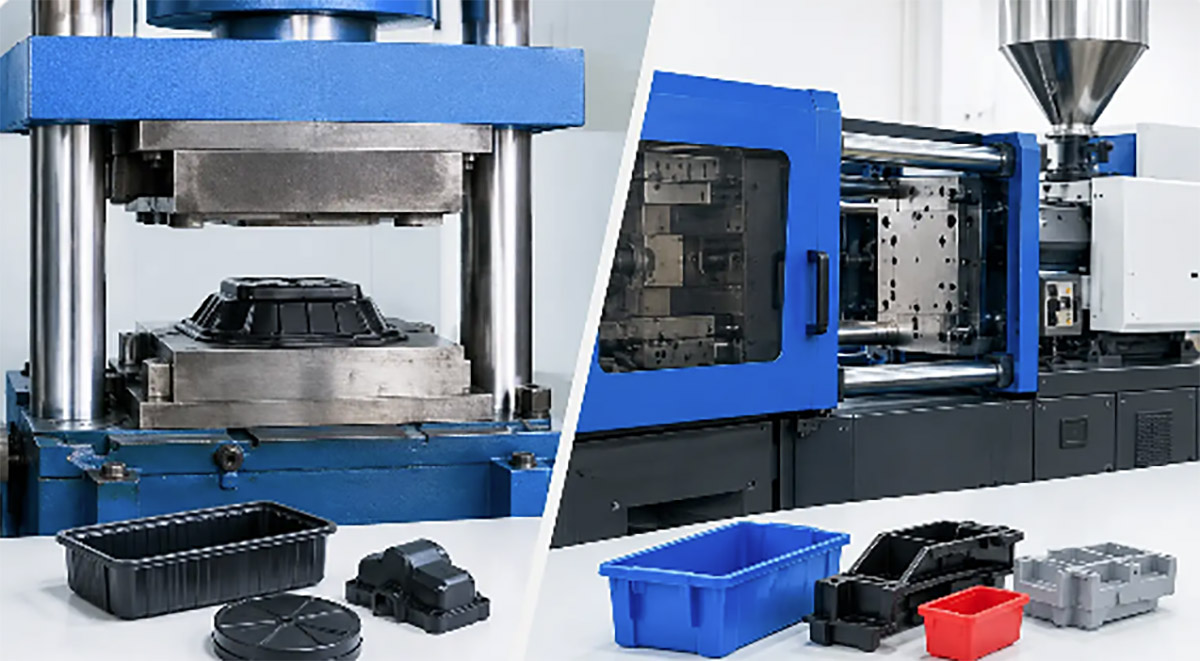
component order. But if your product requires CNC parts, plastic tooling,
injection molding, silicone parts, die casting, stamping, sub-assembly, and
purchased components, fragmentation becomes expensive very quickly.
For most product teams,
contract manufacturing works best when the supplier can support several
connected operations under one program structure. That reduces handoff errors
and gives engineering, sourcing, and quality teams a clearer path from design
intent to finished product.
Why companies use contract
manufacturing
The main reason is capacity, but capacity alone is not
enough. Companies use contract manufacturing because it can improve cost
structure, reduce internal operational load, and give access to production
methods that are not practical to build in-house.
A startup may need SLA or SLS
prototypes this month, soft tooling next month, and a low-volume pilot run
after design freeze. An established OEM may need an alternate supplier that can
take over molded parts and final assembly while meeting defined inspection
standards. In both cases, the value is not just outsourced labor. It is organized
manufacturing capability.
There is also a commercial
reason. Keeping prototyping, tooling, and production with disconnected vendors
often creates hidden cost in freight, duplicated quality checks, supplier
communication, and troubleshooting. A coordinated contract manufacturing setup
can reduce those losses, especially when design changes are still happening.
Where contract manufacturing adds
the most value
The strongest results usually come when the product
has multiple process requirements or uncertain launch volumes. Products with
plastic housings, silicone seals, metal inserts, cosmetic surfaces, and final
assembly needs are difficult to manage through a patchwork supply base.
This is where an integrated
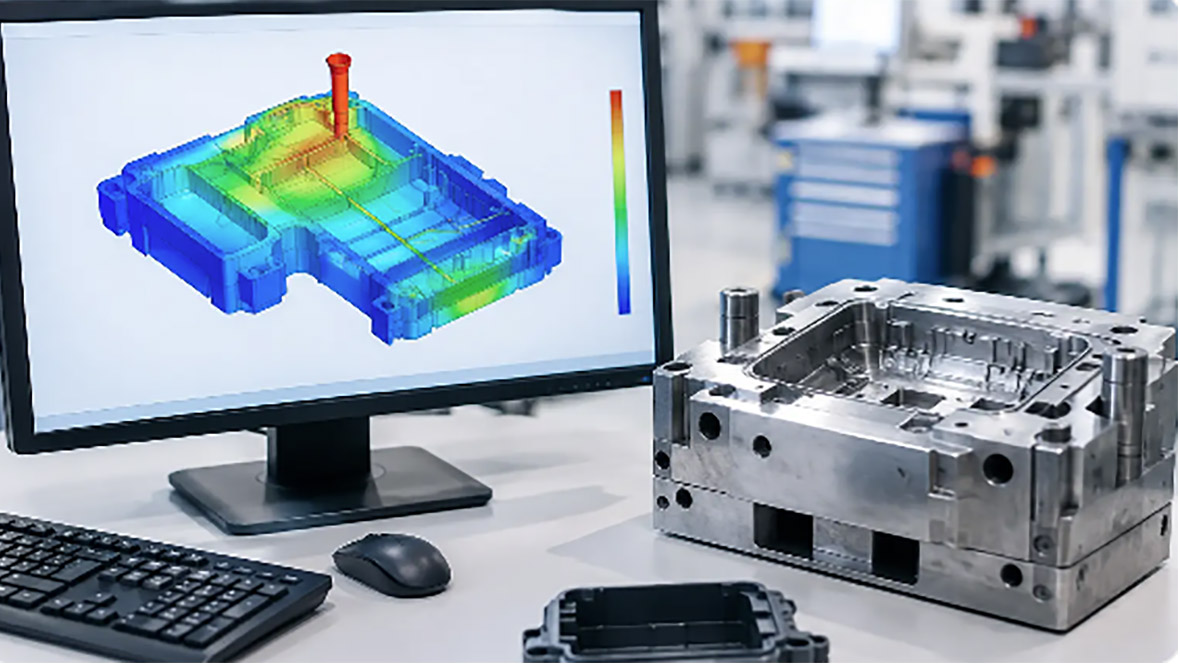
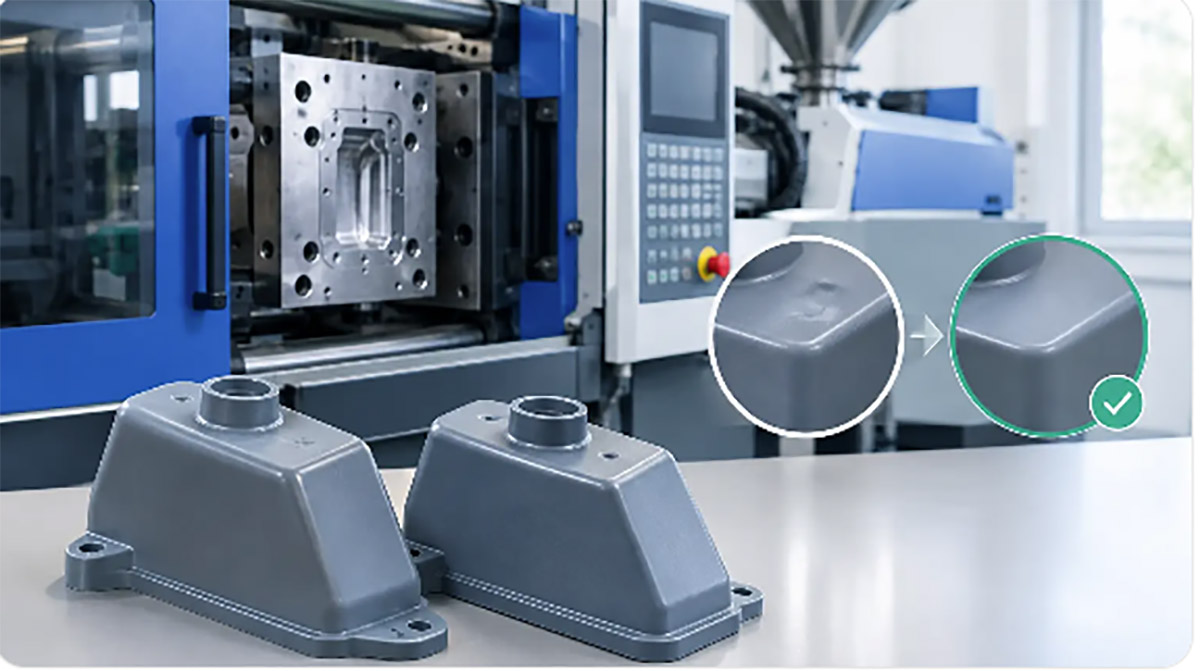
manufacturing partner can add value beyond unit price. Early DFM feedback can prevent undercuts,
weak ribs, sink marks, impossible tolerances, or assembly issues before tooling
is cut. Process planning can align cosmetic requirements with the right
molding, machining, or finishing method. Sourcing and assembly can be
structured around actual production demand rather than assumptions made at the
prototype stage.
That does not mean one
supplier should always handle everything. For highly specialized products,
splitting the supply chain can still make sense. But when a product needs
speed, coordination, and practical manufacturability support, a broader
contract manufacturing scope is often the more stable option.
Contract manufacturing across the
product lifecycle
Prototype
and pre-production
At the front end, speed matters, but so does learning.
Prototype work should do more than produce a visual sample. It should help the
team evaluate geometry, fit, assembly sequence, material behavior, and process
risk.
CNC machining is useful when
dimensional accuracy and functional testing matter. SLA and SLS are useful when
design iterations need to move quickly or when early form and fit validation is
the priority. In some cases, prototype silicone or low-volume molded parts are
needed to test the product closer to production conditions.
A capable contract
manufacturing partner should be able to explain which prototype route answers
the right question. The cheapest sample is not always the most useful one if it
fails to reflect production reality.
Tooling and process setup
Once the design is stable enough for production
investment, tooling becomes the next decision point. This is where many
programs lose time. Tool design, parting line decisions, gate location, draft,
shrinkage, and steel selection all affect lead time, part quality, and tool
life.
If the factory handling the
tool also understands the planned production process, setup tends to be more
practical. The tool is built for actual manufacturing conditions, not just for
first-shot approval. That usually means fewer revisions after sampling and a
smoother path into pilot production.
For plastic and silicone
parts, tooling strategy should match expected volumes and product maturity.
Hard production tooling may be the right choice for stable, recurring demand.
Bridge or pilot tooling may be better if the product is still evolving.
Mass production and assembly
Production is where supplier selection is fully
tested. A part that looks acceptable in initial sampling can still fail in
repeatability, cosmetic consistency, packaging discipline, or assembly yield.
This is why contract
manufacturing should be evaluated as a system, not a quote. The questions that
matter include how the supplier controls incoming materials, manages in-process inspection, handles nonconformance,
tracks revisions, and supports final assembly quality.
If your product includes
multiple custom parts plus purchased components, coordination becomes just as
important as fabrication. Production delays often come from component mismatch,
late sourcing, or assembly bottlenecks rather than from one bad molded part.
How to evaluate a contract
manufacturing partner
A capable supplier should be easy to assess if you ask
operational questions instead of broad sales questions. Start with process fit.
Can the supplier actually support the manufacturing methods your product needs,
or are they brokering major portions of the work without clear control?
Then look at transition
capability. Many factories can machine a prototype or mold a part. Fewer can
manage the handoff from engineering sample to repeatable production without
quality drift. Ask how they handle DFM review, tooling changes, pilot runs,
first article approval, and ongoing inspection.
Communication also matters
more than many buyers expect. Fast replies are useful, but structured replies
are better. Engineering teams need manufacturability feedback tied to
dimensions, materials, tolerances, and process constraints. Procurement teams
need clear commercial terms, lead times, and change control.
A practical evaluation usually
comes down to six areas:
·
Process range relevant to the product
·
DFM and tooling support
·
Quality control method and documentation
·
Ability to handle low-volume through scale-up
·
Assembly and sourcing coordination
·
Response speed with technically useful feedback
Companies such as Xiamen
Creator Technology are positioned around this broader model, where prototyping,
tooling, production, and assembly are managed as connected operations rather than
isolated transactions.
Common trade-offs in contract
manufacturing
There is no perfect setup. Lower unit cost may come
with longer lead times or higher minimum order quantities. A highly specialized
supplier may deliver excellent performance in one process but create
coordination challenges across the rest of the build. A full-service supplier
may simplify management but still need outside sources for niche components.
Volume also changes the right
decision. For early-stage programs, flexibility and engineering support may be
more valuable than chasing the absolute lowest piece price. For mature
high-volume products, cost-down strategy, automation, and supply continuity may
become the priority.
The right contract
manufacturing model depends on product complexity, annual volume, revision
frequency, quality risk, and how much supplier management your internal team
can absorb.
When integrated manufacturing is
the better choice
If your product has a short development window,
multiple custom components, and a launch plan that moves from prototype to
pilot to scale, integration usually wins. It reduces coordination gaps and
keeps engineering intent closer to production execution.
That is especially true when
your team needs support with drawing refinement, process selection, mold
planning, assembly setup, or packaging preparation. A supplier that can carry
the project through those steps tends to solve problems earlier, when they are
cheaper to fix.
The best contract
manufacturing relationships are not built around a single PO. They are built
around predictable execution across the life of the product. When a supplier
can help your team make better manufacturing decisions before production
starts, the result is usually fewer surprises after production begins.
A good manufacturing partner
should make the project feel more controlled, not more complicated. That is the
standard worth holding.