Custom silicone product manufacturing from prototype through mass production: key material, tooling, DFM, quality, and sourcing decisions for OEM teams.

For product companies and OEM teams, the goal is not
merely to obtain a silicone sample that looks correct. The goal is to build a
repeatable process that delivers functional parts at the required volume, cost,
and quality level.
Start With
the Part's Real Operating Conditions
Silicone is selected because
it performs where many standard plastics and elastomers become limiting.
Depending on the grade, it can tolerate high and low temperatures, resist
weathering and UV exposure, remain flexible over time, and provide useful
electrical insulation. Those strengths do not make every silicone grade
interchangeable.
The first engineering discussion should focus on how
the part will be used. A static gasket, a repeatedly compressed sealing ring, a
soft-touch consumer-product cover, and a medical or food-contact component each
place different demands on the material. Hardness, compression set, tear
strength, color stability, chemical resistance, flame rating, and certification
needs can all affect the compound and manufacturing route.
Liquid silicone rubber, commonly called LSR, is often
appropriate for high-volume precision parts, thin sections, complex geometries,
and automated molding. High-consistency rubber, or HCR, can be better suited to
certain compression-molded or extrusion applications, especially when the part
geometry or production requirement favors that process.
Room-temperature-vulcanizing silicone may be used for lower-volume cast parts,
prototypes, or specialized applications.
A practical specification should identify the required
Shore hardness range, color standard, operating-temperature range, compression
performance, relevant regulatory requirements, and expected annual volume. It
should also state what matters most if trade-offs arise. For example, a very
soft material may improve grip but make tight tolerances harder to maintain. A
highly filled flame-retardant compound may change flow behavior and surface
finish. These issues are easier to resolve before tooling begins.
Design for
Custom Silicone Product Manufacturing
Silicone behaves differently
from rigid injection-molded plastic. It flexes, stretches, compresses, and can
deform during removal from the mold. Part design must account for those
characteristics from the start.
Uniform wall thickness helps material flow and curing,
while sharp internal corners can create stress points and increase tear risk.
Generous radii are generally beneficial. Draft angles may still be needed,
although an elastic silicone part can sometimes be removed from undercuts that
would lock a rigid plastic part in place. Whether that is practical depends on
part hardness, undercut depth, tear resistance, and the demolding method.
Dimensional tolerances deserve particular attention.
Silicone parts can shrink during curing and change slightly after demolding.
The final result is influenced by compound formulation, part thickness, tool
temperature, cure conditions, and post-curing requirements. A drawing that
applies tight tolerances everywhere often adds cost without improving function.
Critical dimensions should be tied to actual mating features, sealing
interfaces, or assembly requirements.
Parting lines and flash should also be planned, not
treated as cosmetic details after the fact. Every molded silicone component has
a mold split. Locating the parting line on a non-sealing, non-contact, or
visually less sensitive surface can reduce later concerns. If flash must be
minimal, the tool design, material control, and trimming method need to support
that expectation.
For assemblies, consider the silicone part together
with the components around it. An overmolded grip, membrane, seal, or
protective cover must interface correctly with its substrate. Adhesion may
require a compatible substrate material, surface preparation, primer,
mechanical retention features, or a combination of these methods. A
well-designed mechanical lock can be more dependable than relying on adhesion
alone in demanding thermal or moisture environments.
Tooling
Decisions Set the Production Economics
The choice between prototype
tooling, bridge tooling, and production tooling should reflect the program's
maturity and volume forecast. Low-volume prototypes are valuable for checking
fit, feel, compression behavior, and assembly sequence. They are not always a
reliable indicator of mass-production economics or cycle time.
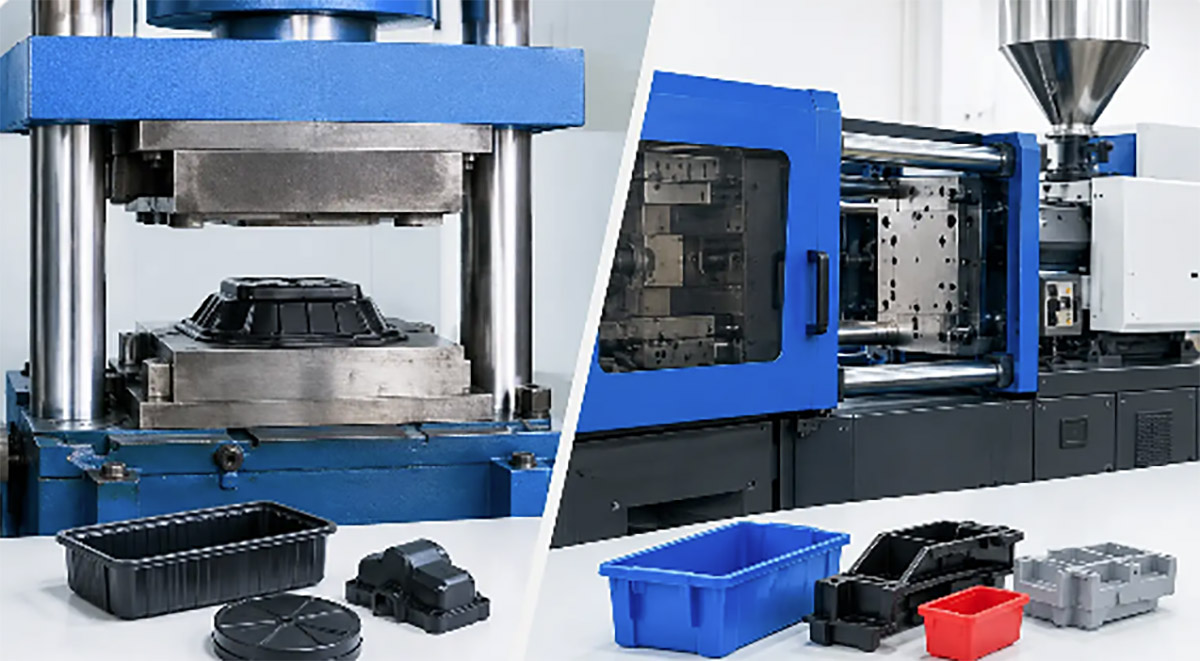
For compression molding, tooling is typically designed
around matched cavities, controlled material placement, and flash management.
For LSR injection molding, the tool must account for precise metering,
cold-runner or runnerless delivery, venting, mold temperature, and automated or
semi-automated demolding. The right process depends on geometry and annual
demand, not simply the lowest initial tool price.
A less expensive tool can create higher operating
costs if it has poor cavity balance, excessive flash, slow demolding, or
frequent maintenance requirements. Conversely, a multi-cavity production tool
may not be commercially sensible for an early product launch with uncertain demand.
The productive question is: what tooling investment supports the expected
volume while keeping enough flexibility for design changes?
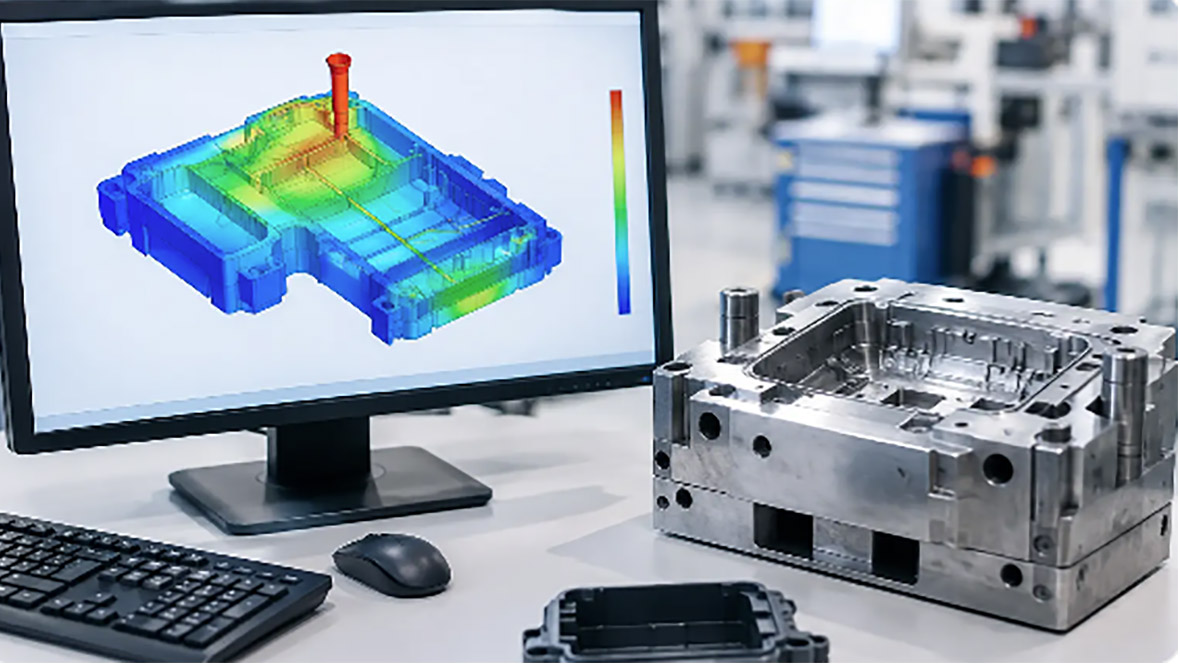
Before cutting steel, conduct a formal design-for-manufacturability review. This should confirm shrinkage assumptions, gating, venting, parting-line
position, draft, undercuts, texture requirements, critical dimensions, and
post-processing. If the silicone part will be assembled with plastic, metal,
electronic, or textile components, the review should include those interfaces
as well.
Build
Quality Controls Around Function
Visual inspection is necessary,
but it is not sufficient for silicone components. A part can look clean and
still fail because hardness is out of range, compression set is unacceptable, a
seal leaks, or a bonded feature separates under stress.
The inspection plan should be based on the component's
real function. Common controls include incoming material verification,
first-article approval, dimensional measurement, hardness testing, color
checks, flash evaluation, tensile or tear testing where required, and
functional leak or compression testing. For regulated applications,
traceability and material documentation may be as important as the physical
inspection result.
Process consistency is especially important when
molding parts with tight sealing requirements or appearance-sensitive surfaces.
Mold temperature, cure time, shot size, pressure, and trimming conditions
should be controlled and documented. When the component requires post-curing to
reduce volatile residues or meet application requirements, that step needs
validated time and temperature parameters.
Sampling levels should fit the risk. A noncritical
protective foot on a consumer product and a sealing element in a fluid-handling
assembly should not receive the same quality plan. Critical-to-function
dimensions and characteristics deserve more frequent verification than features
that do not affect assembly or performance.
Coordinate
the Full Build, Not Just the Molded Part
Many silicone programs become
delayed because the molded component is treated as an isolated purchase. In
practice, it may need plastic housings, metal inserts, adhesive, printed
markings, packaging, and final assembly. Each handoff between suppliers creates
another opportunity for tolerance mismatch, scheduling delay, or unclear
accountability.
An integrated manufacturing workflow reduces those
gaps. Prototype fabrication can verify the surrounding components before silicone tooling is
finalized. CNC-machined fixtures can support assembly and testing. Plastic
injection molding, stamping, die casting, component sourcing, and packaging can
then be coordinated against one production schedule. This is particularly
useful when a silicone component is one element of a complete OEM product rather
than a standalone part.
At Xiamen Creator Technology, this approach
combines product development support, tooling, component production, assembly, and quality oversight under a
coordinated manufacturing process. For procurement and engineering teams, the
practical benefit is faster resolution of issues that cross process boundaries,
such as a seal that fits the tool drawing but not the final assembly.
Questions
to Resolve Before Requesting a Quote
A clear request for quotation
shortens the technical review and produces more comparable supplier pricing.
Include 2D drawings with critical dimensions, 3D files, material requirements,
color references, expected annual volume, target quantities by release, and any
required testing or certifications. If the part mates with another component,
provide that interface geometry or a representative sample.
It is also useful to state whether the program is in
prototype, pilot, bridge-production, or mass-production stage. A supplier can
then recommend an appropriate tool strategy rather than pricing a production
solution for an early validation run, or quoting a short-life prototype tool
for a long-term program.
The best silicone manufacturing decisions are made
early, when changing a wall thickness, tolerance, or parting line costs little.
Treat the molded part as a functional production system - material, tool,
process, inspection, and assembly included - and the path from prototype to stable
volume becomes far more predictable.