Learn how to choose a silicone supplier based on DFM discipline, tooling strategy, and integrated program management. Ensure consistent quality and scalability for gaskets, seals, and keypads without the risks of fragmented supply chains.

If a silicone part fails, the problem usually starts long before production. It starts in the drawing, the material callout, the mold design, or the assumptions made about tolerances and assembly. That is why choosing a custom silicone supplier is not only a sourcing decision. It is an engineering and production decision that affects lead time, defect risk, unit cost, and how smoothly a product moves from prototype to volume.
For procurement teams and product developers, the real question is not who can produce a silicone part. Many suppliers can. The question is who can deliver the right silicone part repeatedly, at the required volume, with controlled variation, stable quality, and a manufacturing plan that fits the rest of the product build.
What a Custom Silicone Supplier Should Actually Handle
A capable supplier should do more than quote a molded part from a 2D drawing. In practice, silicone components often sit inside a larger assembly, which means the supplier needs to oversee mating parts, fit requirements, compression behavior, surface finish, packaging, and downstream handling.
That matters whether the product is a keypad, seal, gasket, protective cover, wearable component, kitchen item, medical-adjacent accessory, or overmolded consumer part. Silicone behaves differently from rigid plastics and metals. It compresses, rebounds, flashes differently at the parting line, and can introduce dimensional variation that must be managed at the tooling and process level.
A strong supply partner should be able to orchestrate material selection, DFM review, prototype planning, tooling development, pilot runs, production scaling, post-molding operations, assembly, and packaging. When these steps are coordinated under one program owner, delays and quality disputes become far less likely.
The First Checkpoint Is Manufacturability, Not Price
Price matters, but early-stage silicone projects usually fail on manufacturability before they fail on piece-part cost. A low quote can look attractive until the tool needs revision, flash becomes excessive, shut-off areas wear too quickly, or the part geometry creates unstable results in production.
This is where DFM work has direct commercial value. A qualified supplier should review wall thickness, undercuts, draft strategy, venting, gate placement, parting line location, and tolerance realism before tooling begins. If the part includes inserts, bonded components, or secondary trimming requirements, those need to be addressed up front.
Silicone parts also require realistic expectations about tolerances. Engineers sometimes apply rigid plastic assumptions to elastomeric parts, which creates avoidable inspection issues later. A good supplier will challenge drawings that are technically possible on paper but difficult to hold consistently in production.
Tooling Quality Has a Direct Impact on Silicone Part Quality
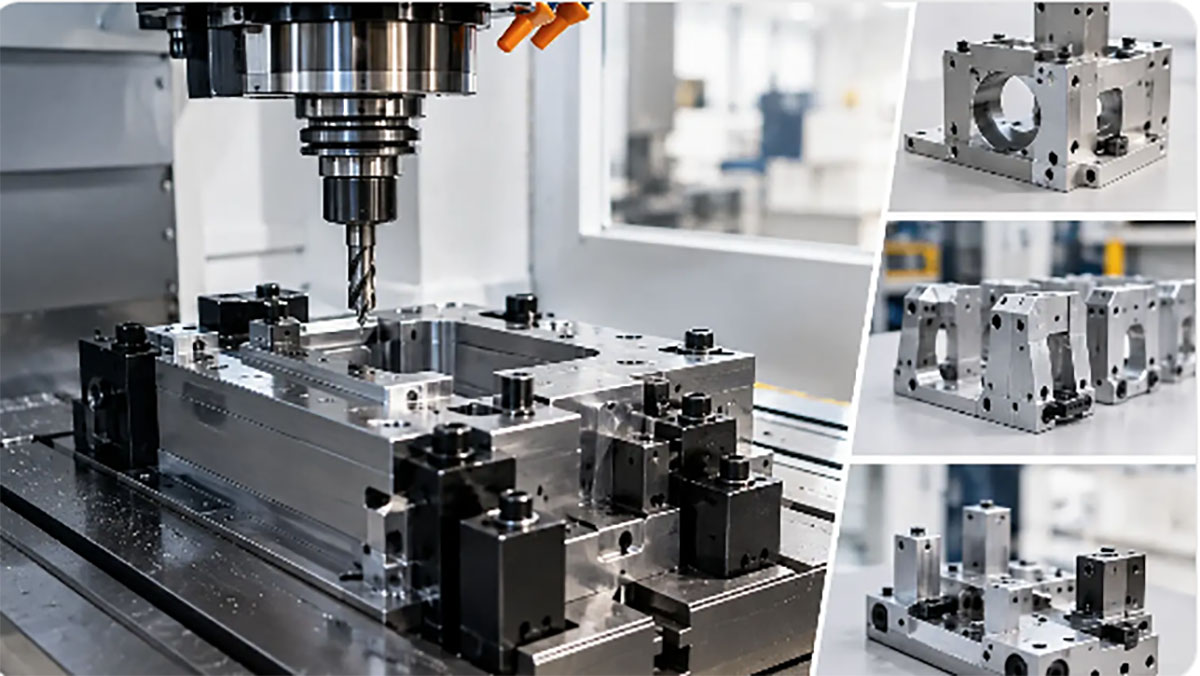
In silicone production, tooling is where process stability begins. Mold design affects fill balance, venting, demolding, flash control, and cycle consistency. If the tool is built with poor shut-offs or weak attention to venting, the production team may spend more time compensating for tool limitations than actually optimizing output.
That is one reason integrated program management matters. When the same partner oversees mold design, mold fabrication, trialing, and production transfer, feedback loops are shorter. Engineering changes move faster, and root-cause analysis is simpler because responsibility is not split between separate entities.
This is especially useful when a silicone component is part of a broader program involving plastic housings, metal inserts, or full product assembly. An integrated supplier can review fit and stack-up issues across the complete build instead of treating the silicone part as an isolated item.
Prototype Strategy Should Match the Stage of the Project
Not every silicone project should go straight to hardened production tooling. Sometimes the right move is a quick prototype to validate shape, fit, and user interaction. In other cases, material behavior and sealing performance need to be tested under near-production conditions before launch.
The right prototype method depends on what needs to be learned. If the goal is cosmetic evaluation, one route may be sufficient. If the goal is compression testing, sealing performance, or assembly confirmation, the prototype approach should reflect production intent more closely.
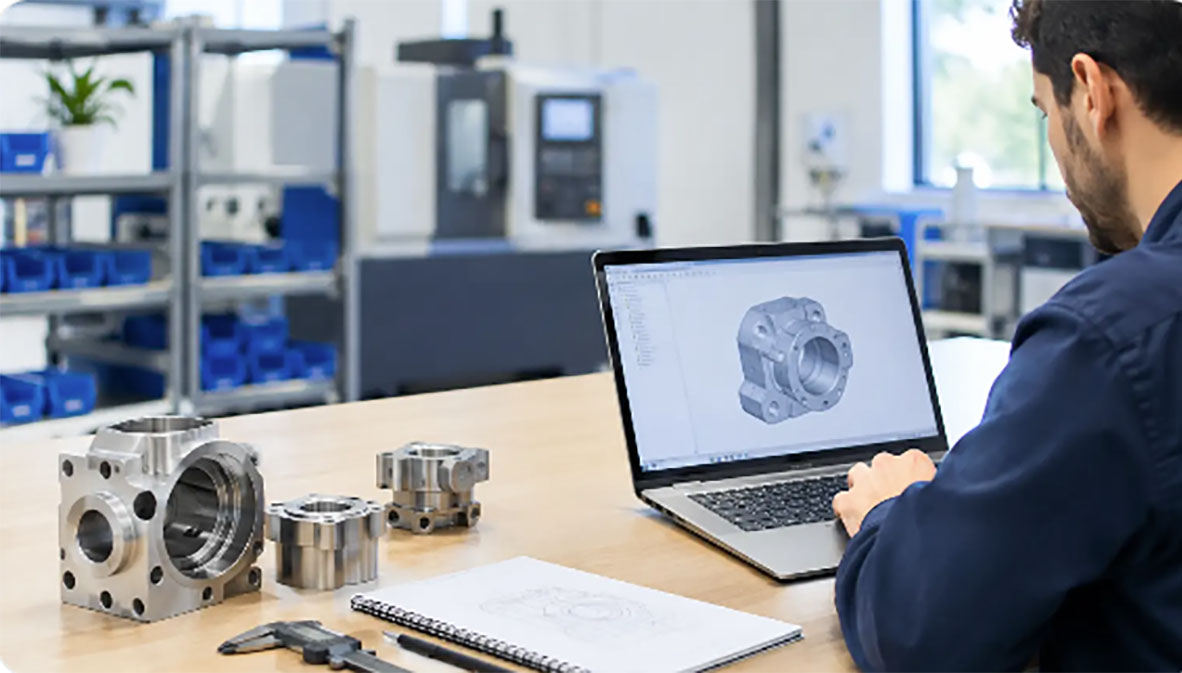
This is where a contract supplier with broader prototype and tooling capability has an advantage. If the supplier can support CAD refinement, rapid prototyping, CNC support for related parts, and short-run tooling paths, development decisions become faster and less fragmented. At Xiamen Creator Technology, we operate as an integrated program partner. By aligning tooling, silicone production, CNC machining, and assembly within a single managed workflow, we help customers move from concept validation into pilot production without changing suppliers mid-stream. This continuity reduces revision cycles and keeps accountability clear throughout the project lifecycle.
Quality Control in Silicone Production Is About Process Discipline
Silicone parts can look simple and still be difficult to control. Flash, short shots, inconsistent hardness, cosmetic defects, contamination, and dimensional drift are common issues when process discipline is weak. A supplier should be able to explain how incoming material is managed, how tools are maintained, what in-process checks are used, and how final inspection is aligned to the part function.
For technical buyers, it helps to look beyond generic quality claims. Ask how first article approval is handled. Ask how critical dimensions are measured on soft components. Ask how visual standards are documented for cosmetic surfaces. Ask how lot traceability works when parts move into assembly or packaged kits.
The best answer is rarely a single inspection step at the end. It is a controlled workflow that starts with tooling validation and continues through molding, trimming, secondary processing, packing, and shipment. When silicone is part of a complete product, that quality system should extend into assembly and final outbound control as well.
Scaling Is Where Many Suppliers Start to Struggle
A supplier may perform well for prototypes and still struggle with repeatability at higher volume. That gap usually shows up in tool maintenance, production scheduling, operator consistency, and supply planning. Silicone programs that scale quickly can expose weak production systems fast.
This is why capacity discussions should happen early. A supplier should be able to support low-volume pilot builds without creating a dead end for mass production. At the same time, large-volume capability means little if the supplier cannot stay responsive during design iterations and engineering changes.
The right partner usually has production flexibility, not just headline capacity. That means the ability to handle sampling, bridge quantities, demand changes, and mixed manufacturing requirements under one operational structure. For OEMs and startups alike, that flexibility often matters more than finding the absolute lowest unit price.
When Silicone Is Only One Part of the Program
Many buyers are not sourcing a standalone silicone item. They are sourcing a product that includes silicone along with injection molded plastic parts, stamped metal components, fasteners, packaging, and final assembly. In that case, the cost of coordination becomes a serious factor.
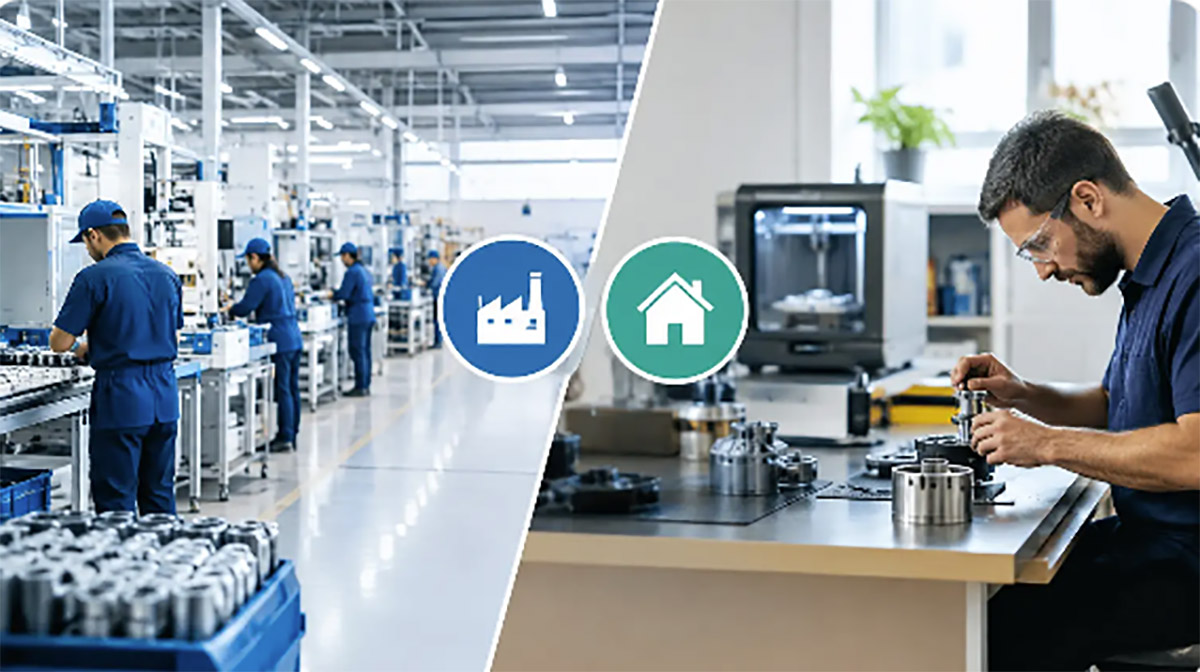
Working with separate suppliers for each process can make sense in some high-volume, highly specialized programs. But it also creates more handoffs, more quality interfaces, and more schedule risk. If the silicone component must fit precisely into a plastic or metal assembly, single-source coordination can reduce revision cycles and simplify accountability.
That is where a broader supply partner can offer practical value. If the same supplier can support tooling, silicone molding, related plastic or metal fabrication, sourcing, assembly, and packaging, the project team spends less time managing supplier alignment and more time managing product outcomes.
Questions Worth Asking Before You Place the Order
Before approving tooling or production, buyers should understand how the supplier approaches the full job, not just the molded part. A useful conversation covers material recommendation, tolerance review, expected flash management, mold life, sampling plan, inspection method, secondary operations, and how design changes will be handled after trial runs.
It also helps to ask what could go wrong. A credible supplier will usually give a more useful answer than one that promises zero risk. Some geometries need compromise. Some tolerances increase scrap or tool complexity. Some surface finish requirements slow output. Those trade-offs should be clear before production starts.
The best supply relationships begin with that level of transparency. Not because every project is complicated, but because even simple silicone parts become expensive when assumptions are wrong.
A good custom silicone supplier is not just there to supply parts. The right one helps you make better production decisions before tooling is finalized, before schedules slip, and before quality problems become expensive to fix. That is usually where the real savings are found.
Key Takeaways for Buyers
Supplier ≠ Factory: Look for a partner who orchestrates the entire process, ensuring accountability.
DFM First: Insist on Design for Manufacturability reviews before cutting steel.
Integration Wins: Coordinating silicone with nd assembly reduces interface risks.
Continuity Matters: Choose a partner who can manage prototype-to-production transitions without handoff delays.
Ask "What If": Transparent discussions about potential failures are a sign of a reliable supplier.