Searching for plastic injection molding near me? Compare tooling, DFM, quality controls, lead times, and landed cost before choosing a supplier for parts.

A search for plastic
injection molding near me often starts with a practical concern: a
prototype has been approved, a customer needs samples, or an existing supplier
is creating delays. Proximity can make supplier visits, first-article reviews,
and freight planning easier. But for custom molded components, the closest
supplier is not always the lowest-risk or lowest-cost production option.
The better question is whether
a manufacturer can take your part from design review through tooling, molded
production, inspection, assembly, and delivery without creating gaps between
each stage. For procurement teams, engineers, and product companies, that
capability usually matters more than distance alone.
What “Plastic Injection Molding
Near Me” Should Mean
A local molding supplier may offer advantages when
your program requires frequent in-person communication, short domestic transit
routes, or hands-on support during early trials. This can be valuable for
regulated products, unusually large parts, highly sensitive programs, or
projects with compressed development schedules.
However, “near me” should also
mean operationally close. A supplier that responds quickly, reviews
manufacturability before tool release, documents quality requirements, and
provides clear production updates can be easier to manage than a nearby shop
that handles only molding and leaves tooling, secondary operations, and
assembly to separate vendors.
For many programs, the right
partner combines accessible communication with coordinated manufacturing. That
means the molding process is planned alongside mold design, material selection,
component sourcing, finishing, packaging, and logistics. Fewer handoffs
typically mean fewer opportunities for delays, specification drift, and unclear
responsibility.
Start With the Part, Not the
Supplier List
Injection molding is highly repeatable when the part
is designed for the process. It is less forgiving when a design is transferred
directly from a prototype method without considering molding behavior. Before
requesting quotes, prepare a usable package: a 3D CAD file, 2D drawing when
critical dimensions apply, material preferences, estimated annual volume,
cosmetic requirements, color specification, and any mating or assembly details.
A competent supplier should
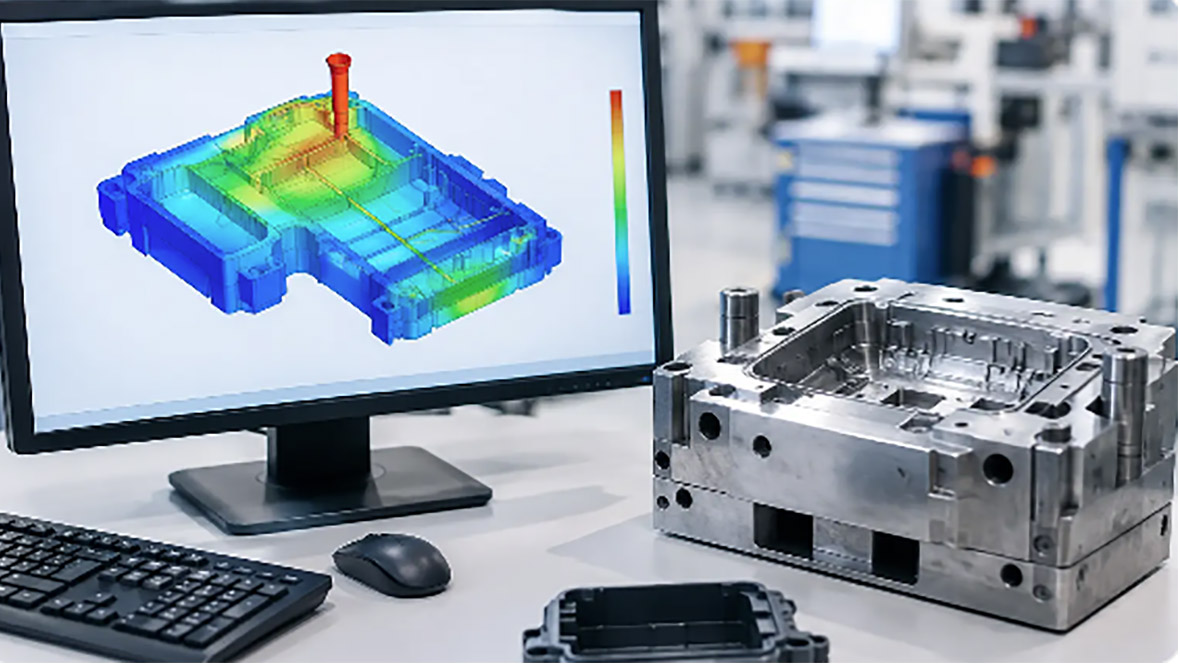
examine more than the overall shape. The review should address wall thickness,
draft angle, rib and boss geometry, undercuts, gate location, weld lines,
ejector placement, shrinkage, and likely warpage. If these points are not
discussed before the mold is built, changes may become expensive later.
DFM Changes Are Not Automatically
Compromises
Design for
manufacturability, or DFM, is sometimes mistaken for a request to
make a part less precise or less attractive. In practice, a good DFM review
protects the features that matter while identifying geometry that creates
unnecessary cost or production risk.
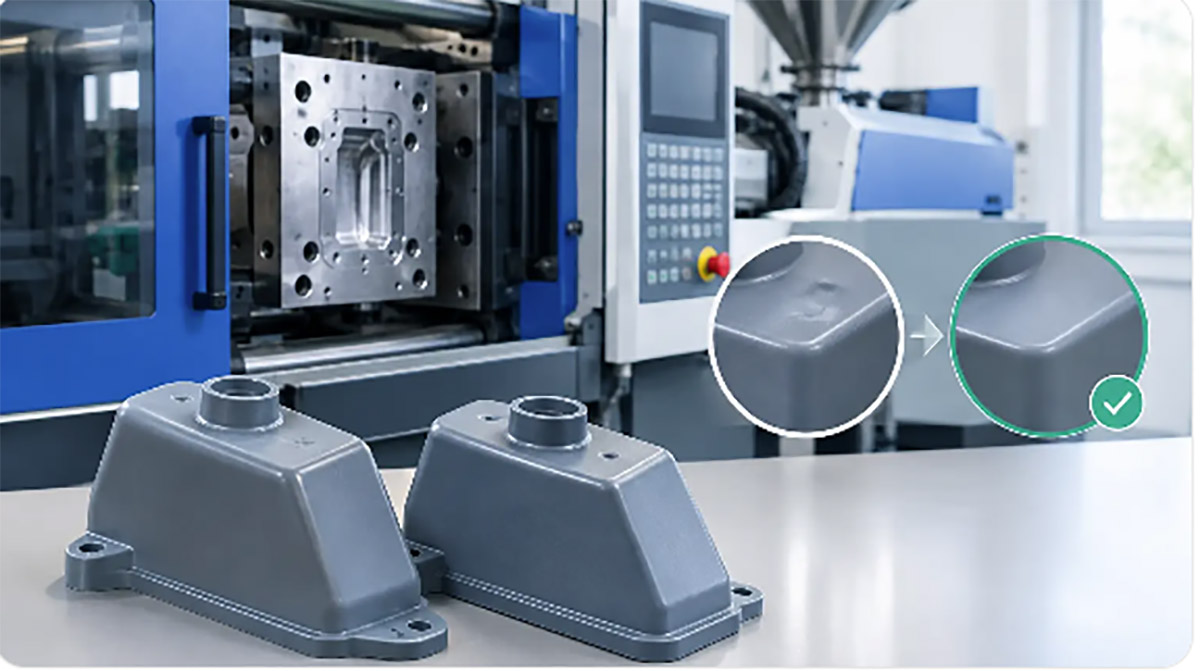
For example, a small increase
in draft may prevent scuffing during ejection. A core adjustment can remove the
need for a side action. A revised rib thickness can reduce sink marks. These
changes may improve cycle consistency and reduce the chance of cosmetic rejects
without changing the product's functional intent.
The trade-off is that DFM
recommendations must be evaluated against actual product requirements. A
consumer-facing enclosure may need strict surface standards. A technical
component may have a tighter fit requirement around a seal, connector, or metal
insert. Ask the supplier to explain the reason, expected impact, and
alternatives for every proposed change.
Evaluate Tooling Strategy Before
Comparing Piece Prices
A low part price does not tell you whether the mold is
appropriate for the program. Tooling design and construction determine how
consistently a part can be molded, how easily it can be maintained, and how
much capacity it can support.
For pilot production, bridge
tooling or a lower-cavity mold may be the right commercial decision. It limits
upfront investment while allowing the team to verify market demand, assembly
performance, and final material selection. For established demand, a hardened
production mold with appropriate cooling, wear components, and multiple
cavities can lower the part cost and increase output.
Neither approach is
universally better. A startup preparing an initial launch may prioritize speed
and controlled capital spending. An OEM with stable monthly demand may need
longer tool life, redundancy, and a defined maintenance plan. The supplier
should recommend a tooling approach based on expected volume, part complexity,
material abrasiveness, tolerances, and launch timing.
Ask who owns the tool, where
it will be stored, how maintenance is recorded, and what happens if repairs are
required. These details affect long-term supply continuity, particularly when a
part will remain in production for several years.
Check Material Capability and
Process Control
The resin name on a drawing is only the starting
point. Grade selection may affect impact performance, chemical resistance,
flame rating, UV stability, color matching, shrinkage, and regulatory
compliance. Filled materials, recycled-content requirements, and engineering
resins can introduce additional processing considerations.
A qualified molding
manufacturer should be able to confirm material sourcing, lot traceability
where required, drying conditions, process parameters, and inspection methods.
For critical parts, it is reasonable to define first-article approval
requirements and establish which dimensions will be monitored during
production.
Quality control should match
the actual risk of the component. A simple non-cosmetic cap may need visual
checks and basic dimensional verification. A housing that supports electronics,
seals against moisture, or interfaces with multiple components may require
gauges, functional fixtures, documented sampling plans, and controlled assembly
checks.
Do not assume every dimension
needs the same inspection intensity. Over-specifying noncritical features
increases cost without necessarily improving product performance. Conversely,
leaving critical interfaces undefined can result in parts that pass a general
inspection but fail during final assembly.
Consider the Full Production Path
Molding is often only one operation. A finished
product may need CNC-machined inserts, silicone components, metal brackets,
threaded inserts, painting, printing, ultrasonic welding, assembly, labeling,
and retail packaging. When these services are managed by separate suppliers,
the buyer becomes responsible for coordinating specifications, schedules,
inventory movement, and quality issues across each handoff.
An integrated manufacturer can
reduce that coordination burden. At Xiamen Creator Technology, product development and
production programs can combine prototyping, CNC machining, mold development,
injection molding, secondary processes, assembly, and packaging under a
coordinated workflow. This is especially useful when a molded part must fit
prototype hardware, metal components, or a complete product assembly.
Integration is not always
necessary. A local specialist may be an efficient choice for a mature,
single-part program with stable tooling and no secondary operations. But as
part count, finish requirements, or assembly complexity increase, a broader
manufacturing scope can reduce administrative work and improve accountability.
Compare Total Landed Cost, Not Just
the Quote
When evaluating plastic injection molding suppliers,
separate the one-time and recurring costs. Tooling, fixtures, samples, setup,
packaging development, and freight can change the commercial picture
significantly. A lower molding price may be offset by higher logistics costs,
longer replenishment cycles, or costly coordination with additional vendors.
Review the quotation against
the same assumptions: resin grade, cavity count, cycle time, annual volume,
color, finish, secondary operations, inspection level, packaging, and delivery
terms. If one quote is substantially lower, determine whether it excludes a
requirement rather than assuming it reflects a more efficient process.
Lead time also deserves closer
attention. Ask for a schedule that distinguishes DFM review, tool design, tool
fabrication, trial shots, first-article approval, production, finishing, and
shipment. A single quoted lead time can hide the stages where a project is most
likely to slip.
Questions That Reveal Supplier
Readiness
Before placing a tooling order, ask how the supplier
will manage design changes after DFM approval, how trial samples are evaluated,
and how nonconforming parts are contained. Clarify the expected communication
cadence and identify who owns technical decisions on both sides.
For repeat production, ask
about capacity planning, backup equipment, mold maintenance, material
availability, and inspection records. A supplier does not need to promise that
problems will never occur. More useful is a clear process for identifying
problems early, documenting corrective action, and protecting your delivery
schedule.
The best manufacturing
relationship is built before production begins. Choose the supplier that can
explain the tooling and molding decisions behind the quote, challenge unclear
requirements constructively, and support the next production stage without
forcing your team to rebuild the supply chain around every new part.