Compare the best low volume manufacturing options for prototypes, pilot runs, and bridge production with cost, tooling, quality, and lead time insights.

If
you need 50 parts, not 50,000, the manufacturing decision changes fast. The
best low volume manufacturing options are rarely about one process being
universally better than another. They depend on part geometry, material
requirements, tooling budget, cosmetic expectations, and whether you are
proving a design, supporting a pilot run, or filling demand before mass
production starts.
For procurement teams,
engineers, and product companies, low-volume production sits in an awkward but
valuable space. It has to move quickly like prototyping, but it also has to
behave like production, with repeatability, controlled quality, and realistic
unit economics. Choosing the wrong process can lock in unnecessary tooling
cost, create avoidable lead time, or produce parts that do not reflect eventual
production conditions.
How to evaluate the best low volume
manufacturing options
The right process starts with the production
objective. A short-run engineering build has different priorities than a market
test or a bridge production order. Before selecting a method, it helps to
define whether the job is intended for functional validation, customer
sampling, certification testing, or commercial shipment.
Volume matters, but not by
itself. A run of 200 parts in machined aluminum may be practical for one
product and wasteful for another. Material selection, tolerance stack-up,
surface finish, and post-processing requirements often drive the real decision.
If assembly is part of the project, that also changes the economics. A process
that looks cheaper at part level can become more expensive once secondary
operations, fixture requirements, and inspection are included.
Best low volume manufacturing
options for different production goals
CNC
machining
CNC machining is often one of the strongest low-volume
choices when accuracy, material performance, and speed are the priorities. It
works well for metal parts, engineering plastics, housings, brackets, fixtures,
and functional components that need production-grade material properties
without waiting for tooling.
The biggest advantage is
flexibility. Design changes can usually be handled through revised programming
rather than new molds. That makes CNC a practical option for early production,
bridge builds, and parts that may still go through engineering updates.
Tolerances are also more predictable than many additive methods, especially for
mating features and mechanical interfaces.
The trade-off is unit cost.
Once part quantities increase, machining can become expensive because each part
still consumes machine time. Complex geometries with deep cavities or multiple
setups can push costs higher. CNC is usually best when the part value justifies
the process, or when avoiding tooling is more important than minimizing unit
price.
Vacuum casting
Vacuum casting is a strong
option for low-volume plastic parts when appearance and small-batch consistency matter. It is commonly
used for pre-production housings, consumer product enclosures, and
presentation-quality parts that need to look closer to molded components than
typical 3D-printed parts.
This process uses silicone
molds made from a master pattern, often produced by SLA. It can deliver good
cosmetic quality, flexible material choices, and lower startup cost than
injection molding. For pilot runs and customer evaluation units, that
combination is often attractive.
Its limits are also clear.
Mold life is short, dimensional repeatability is not on the same level as
hardened production tooling, and material properties only approximate
production resins. Vacuum casting is useful when you need dozens of parts
quickly and want better appearance than rough prototype methods, but it is not
the answer for sustained production.
3D printing
3D printing covers several viable low-volume routes,
especially SLA and SLS for plastic parts. For complex geometry, internal
channels, lightweighting, or rapid design iteration, additive manufacturing can
be the fastest path from CAD to physical part.
SLA is often chosen for smooth
surface finish and detail. SLS is more suitable for functional nylon parts and
assemblies that benefit from no-support builds. Both can support low-volume
requirements where tooling would be difficult to justify. For jigs, fixtures,
test parts, and low-stress end-use components, additive manufacturing can be
highly efficient.
The limitation is that not all
printed parts behave like molded or machined parts. Mechanical performance,
anisotropy, surface quality, and finishing requirements vary significantly by
process. If a part must represent final production quality for regulatory,
structural, or long-term field use, 3D printing may need to be treated as an
interim step rather than the final manufacturing method.
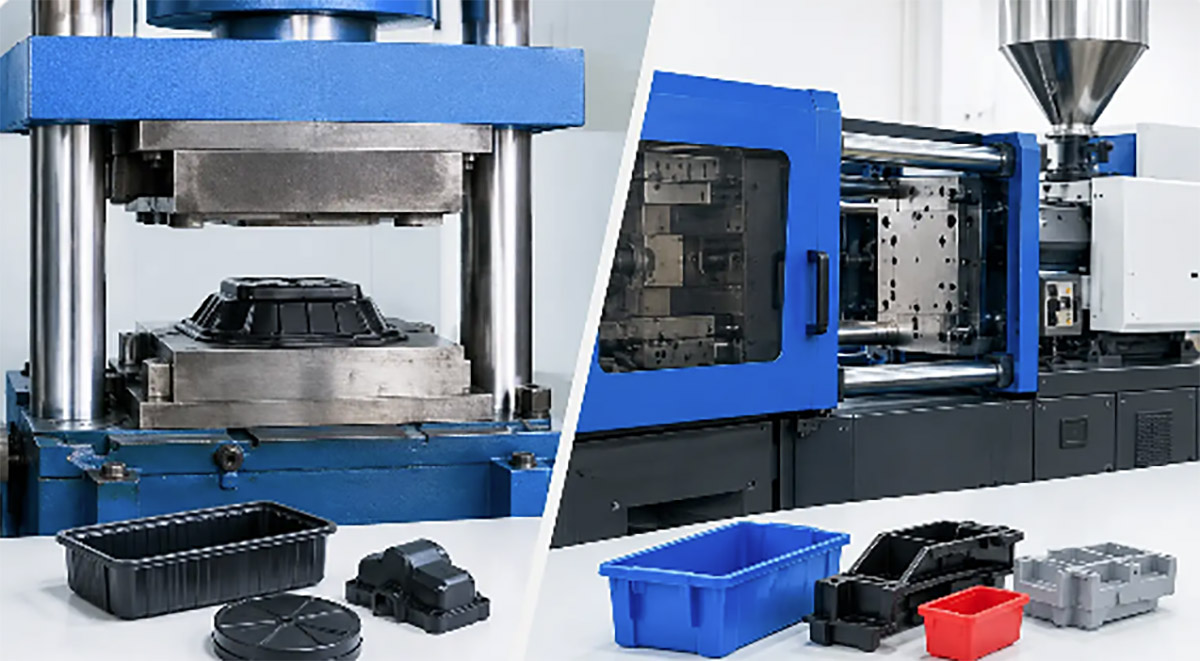
Low-volume injection molding
When people ask about the best
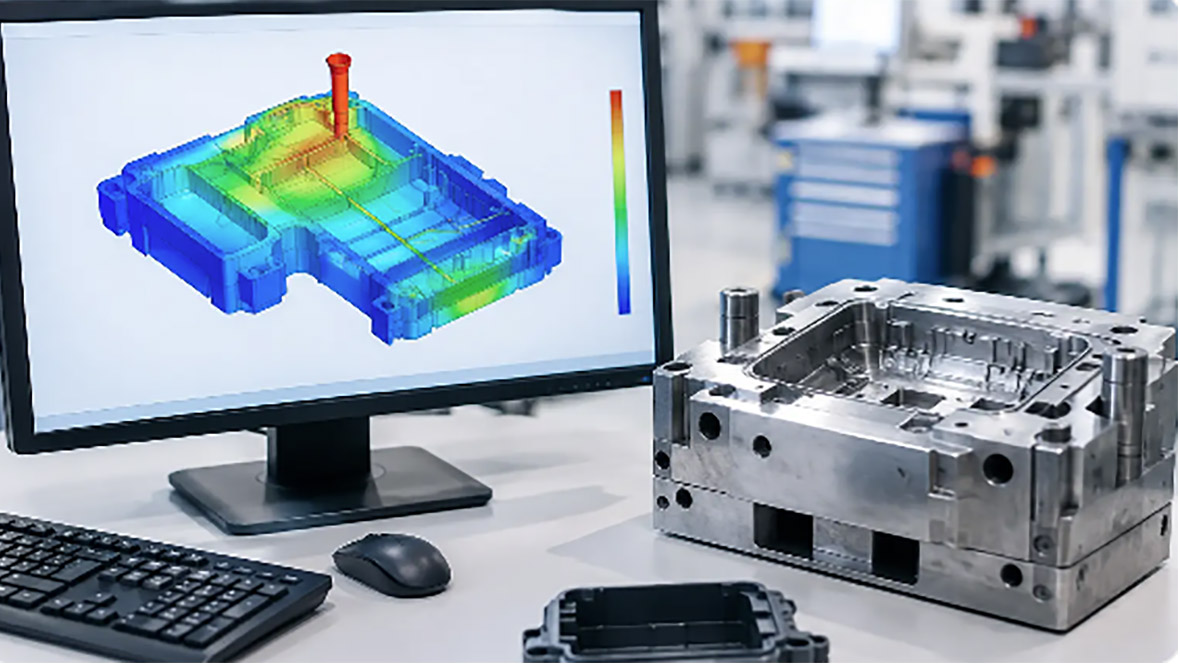
low volume manufacturing options, low-volume injection molding is often the tipping point process. It requires tooling, so the
upfront cost is higher than machining or printing, but the per-part cost drops
sharply once volumes rise beyond prototype quantities.
This method makes sense when
parts need true production materials, repeatable quality, and geometry that
will ultimately scale into mass production. Aluminum tooling, soft tooling, or
bridge tooling can reduce initial investment and shorten lead time compared
with full production molds. For pilot programs, regional launches, and demand
validation, it provides a realistic production pathway without immediately
committing to long-life hardened steel tooling.
The main question is
break-even. If quantities stay very low or the design is still unstable, mold
investment may be premature. But if the part will move into larger production
and DFM has already matured, low-volume injection molding can lower total
program risk because it aligns early units with the eventual production method.
Urethane and silicone tooling
For certain product
categories, silicone tooling and
short-run molded elastomer parts are a practical middle ground. This is
particularly relevant for seals, keypads, grips, wearable components, and
soft-touch product features where material feel and flexibility matter.
Compared with full production
tooling, short-run tooling reduces cost and allows faster evaluation of form,
fit, and user interaction. It is especially useful when a team needs functional
elastomer components before committing to high-volume molds.
That said, low-volume elastomer
manufacturing needs careful material review. Compression set, tear strength,
durometer tolerance, and color consistency may differ from scaled production
conditions. Buyers should confirm whether the run is intended for user testing,
limited shipment, or qualification, because those goals influence tooling and
inspection strategy.
Die casting and metal forming for
pilot runs
For metal components, die casting, stamping, and sheet
metal forming can all serve low-volume needs, but only in the right context. If
the product is expected to scale and the geometry depends on these processes,
it can make sense to run pilot volumes using soft tools, simplified tools, or
pre-production tooling strategies.
This approach is common when
the team needs to validate assembly, finish, and downstream operations before
full launch. It is less about getting the absolute lowest part cost in the
first run and more about establishing a production-ready path. For housings,
brackets, shields, and formed metal parts, early use of the intended process
can expose issues that machining alone would miss.
The caution is tooling
efficiency. If the design is still changing weekly, these methods can create
rework and sunk cost. They are best used after key dimensions, interfaces, and
material choices are reasonably stable.
Hybrid manufacturing
In many real programs, the best answer is not a single
process. It is a hybrid plan. A product may use CNC machining for critical
structural parts, SLA for cosmetic check models, low-volume injection molding
for plastic enclosures, and outsourced assembly for pilot shipments.
This is where manufacturing
coordination matters as much as process selection. A supplier that can manage
tooling, component sourcing, secondary finishing, assembly, and packaging under
one workflow can reduce handoff errors and schedule drift. For low-volume jobs,
those operational gains are often more valuable than chasing the lowest piece
price on one component.
What usually drives the final
decision
Three factors tend to settle the process choice:
design maturity, target quantity, and downstream requirements. If the design is
still evolving, flexible processes usually win. If quantity is climbing and the
part will transition into scale, low-volume tooling becomes more attractive. If
the parts need assembly, cosmetic consistency, or customer shipment readiness,
production-oriented methods move higher on the list.
Quality planning should not be
treated as a later step. Even for small runs, low-volume manufacturing benefits
from clear inspection criteria, approved samples, process controls, and
packaging definitions. Many part issues are not caused by the base process
itself, but by weak control of finishing, handling, or component matching.
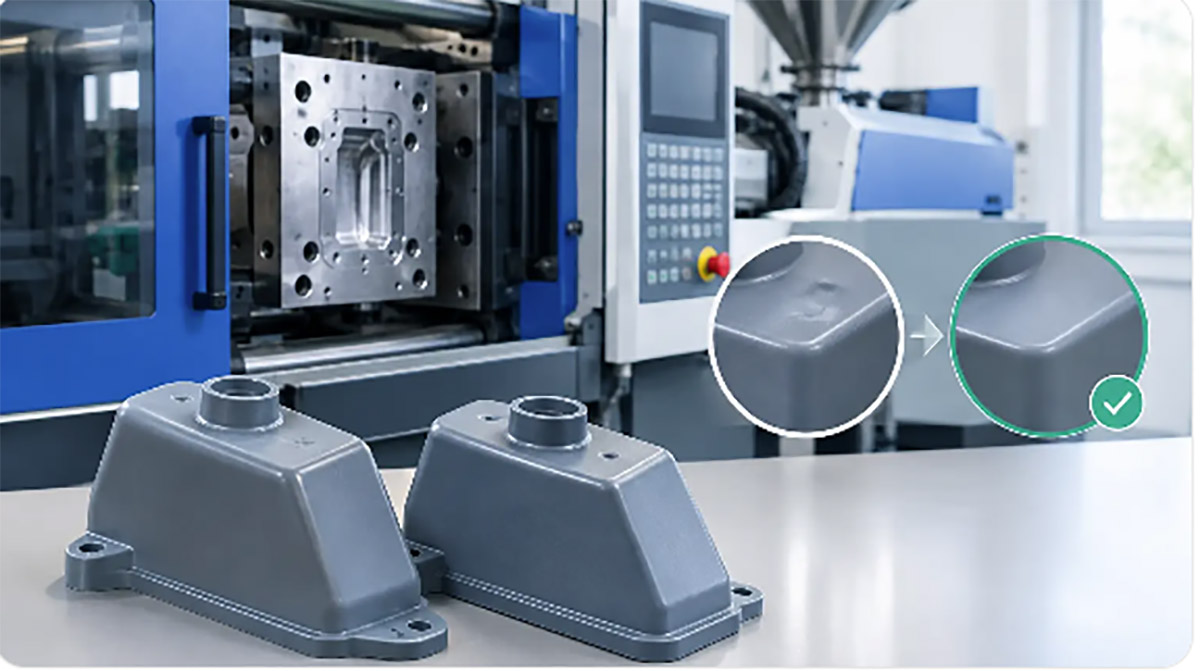
A capable manufacturing
partner should also provide DFM feedback early. Features that look acceptable
in prototype form may create unnecessary cost in pilot production. Minor
revisions to wall thickness, draft, corner geometry, tolerance callouts, or
assembly features can materially improve both manufacturability and yield.
For companies moving from
prototype to market, that transition is where cost and timing are often lost.
Xiamen Creator Technology and similar full-scope manufacturing partners are
typically most valuable when the requirement is not just making parts, but
managing the move from sample builds into controlled production with tooling,
sourcing, assembly, and quality oversight aligned.
The practical answer is this:
the best process is the one that fits the current stage of the product without
blocking the next one. Low-volume manufacturing works best when it is treated
as part of the production roadmap, not as a temporary workaround.