A silicone part may look simple on a CAD drawing, but flash, parting lines, and cure behavior can quickly turn it into a production nightmare. A professional silicone compression molding service must be evaluated as a manufacturing process, not just a quoting line item. This guide breaks down how to design for moldability, choose the right tooling strategy, and avoid the common sourcing mistakes that lead to costly rework.

A practical guide for engineers and buyers evaluating custom silicone components.
A silicone part can look simple on a drawing and still create production problems once it reaches tooling. Flash control, parting line placement, cure behavior, material hardness, and insert positioning all affect whether the part runs consistently or turns into a quality issue. That is why a should be evaluated as a manufacturing process, not just a quoting line item.
For product teams sourcing custom silicone components, the real question is not whether compression molding works. The question is whether it is the right fit for the geometry, volume, performance requirements, and commercial target of the program. In many cases, it is a practical and cost-efficient choice. In others, transfer molding or may be a better production path.
What a Silicone Compression Molding Service Actually Includes
Silicone compression molding is a process where a pre-measured silicone charge is placed into a heated mold cavity, then compressed under pressure until the material fills the cavity and cures into the final shape. It is commonly used for gaskets, seals, keypads, protective covers, diaphragms, medical-adjacent non-implantable components, and custom elastomer parts used in electronics, industrial products, and consumer devices.
A production-ready service usually covers more than molding alone. It often includes material selection, DFM review, mold design, tooling fabrication, sample validation, mass production, secondary trimming, and inspection. For buyers managing larger assemblies, the value increases when the supplier can also coordinate related processes such as plastic parts, metal inserts, overmolding support, assembly, and packaging.
That broader scope matters because silicone components rarely exist by themselves. They usually need to fit a housing, seal against a mating surface, or align with another manufactured part. If the molding supplier understands those interfaces early, there is less risk of redesign after samples.
When Silicone Compression Molding Makes Sense
Compression molding is often selected when the part geometry is moderate, the material needs are flexible, and the program does not justify the higher tooling complexity of liquid injection systems. It is especially useful for low-to-medium production volumes, larger cross-sections, and parts that do not require extremely tight cosmetic standards on every surface.
Tooling cost is one of the main reasons companies choose this route. Compared with more automated silicone molding methods, compression molds can be faster and less expensive to build. That makes them suitable for pilot production, bridge manufacturing, and custom industrial parts where demand is stable but not massive.
The trade-off is cycle time and labor content. Compression molding is generally more manual than high-cavitation injection processes. If annual volumes increase sharply, the initial savings in tooling may be offset by slower throughput and higher piece-part handling costs. A capable supplier should be willing to discuss that threshold rather than forcing one process into every project.
Silicone Compression Molding Service and Part Design
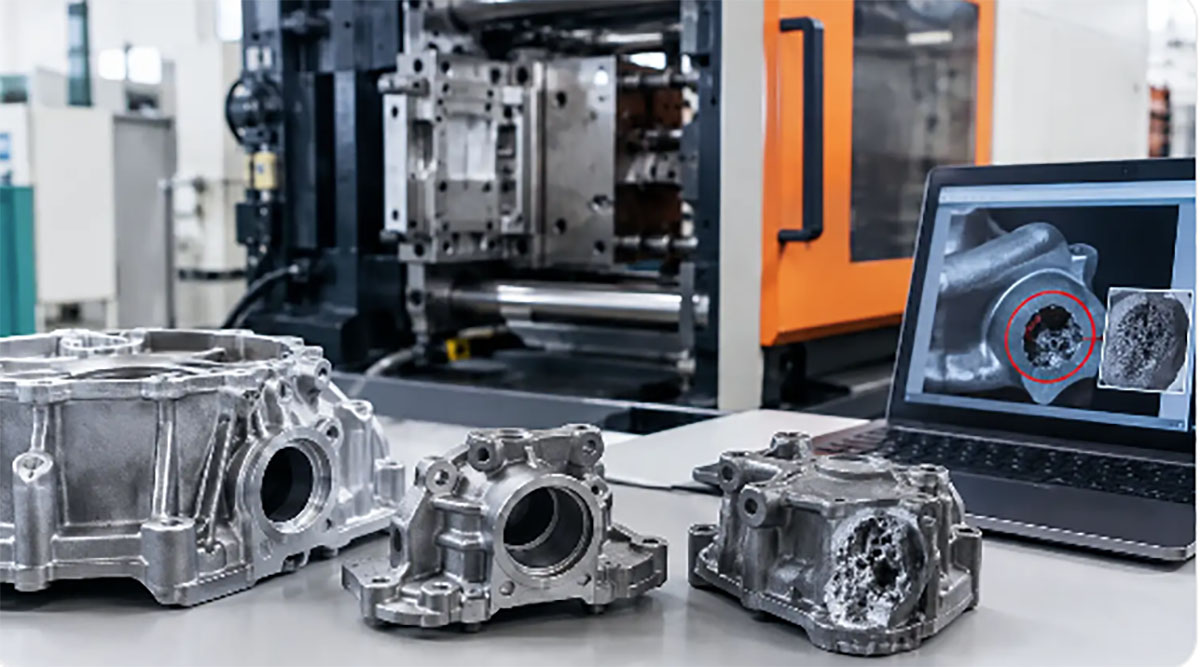
Part design has a direct effect on moldability, yield, and finishing work. Silicone is forgiving in some ways, but it still follows the rules of geometry. Thick-to-thin transitions, undercuts, deep ribs, and unstable wall sections can increase trapped air, dimensional variation, or flash.
Simple geometry usually performs best. Uniform wall thickness supports more predictable cure behavior and reduces distortion. Reasonable draft helps demolding even for soft materials. If the part includes inserts, the mold design and loading method need to control movement during compression so the finished part stays within tolerance.
Parting line strategy deserves more attention than many buyers give it. On a sealing surface, a poor parting line location can create functional issues even if the part looks acceptable. On visible consumer components, it can create cosmetic rejection. During DFM, the supplier should review where flash is likely to form, how it will be trimmed, and whether that trim method is repeatable at production scale.
Tooling Considerations That Affect Cost and Lead Time
A silicone compression mold is not just a shaped cavity. It is a production tool that must manage heat, pressure, venting, release, and operator access. Decisions made at the tooling stage directly affect output and consistency.
Single-cavity tools may be sufficient for prototype and low-volume work. Multi-cavity tools improve throughput but require better flow balance, tighter process control, and a realistic view of inspection capacity. If one cavity behaves differently from the others, the cost advantage can disappear in sorting and rework.
Material selection for the tool also matters. Hardened tool steels are common for production durability, while softer materials may be acceptable for early-stage runs or development sampling. Surface finish inside the cavity affects release and part appearance. Venting design affects trapped gas and incomplete fills. These are not minor details. They determine whether the process is stable.
For teams moving from prototype to production, one of the most useful discussions is whether to build a bridge tool first or go directly to a hardened production mold. The right answer depends on forecast confidence, expected revisions, and unit economics.
Materials and Performance Requirements
Not all silicone compounds behave the same way. Hardness, compression set, tear strength, temperature resistance, color, electrical properties, and regulatory requirements all influence the correct grade. A gasket for outdoor electronics has different priorities than a soft-touch cover or a shock-absorbing pad.
This is where process knowledge matters. A lower-durometer material may improve sealing but complicate demolding and trimming. A high-consistency silicone may suit compression molding well, while other formulations may point toward a different process. If the part needs to resist oils, UV exposure, repeated compression, or sterilization-related conditions, those requirements should be specified before tooling starts, not after first samples fail.
Commercial buyers also need to separate true performance needs from over-specification. It is common to see material callouts that are broader than the application requires. That can increase cost and narrow sourcing options without improving part performance.
Quality Control in Silicone Molding Production
Silicone parts are often judged by fit and function before anything else. A dimensional report matters, but so do compression behavior, recovery, flash condition, surface defects, and consistency lot to lot.
An effective silicone compression molding service should define inspection methods based on the actual use case. Critical dimensions may require fixture-based checks or custom gauges. Visual standards should clarify acceptable flash, gate vestige, color variation, and surface marks. If inserts are involved, pull testing or positional verification may be needed. For sealing parts, assembly trials can be more meaningful than isolated dimensional data.
Process discipline is equally important. Charge weight control, mold temperature, cure time, operator handling, and post-cure requirements all affect repeatability. If the supplier is also managing downstream assembly, they can catch fit issues earlier because molded parts are being checked against the mating components they will actually use.
Common Sourcing Mistakes
The first mistake is buying only on piece price. A lower unit cost does not help if excess flash, unstable dimensions, or delayed tooling approval disrupt the production schedule. Silicone parts often create hidden costs through manual trimming, quality sorting, and assembly problems.
The second mistake is releasing tooling with incomplete requirement definitions. If the durometer range, color standard, surface expectation, tolerance priority, and functional test criteria are vague, sample approval can turn into back-and-forth that delays the launch.
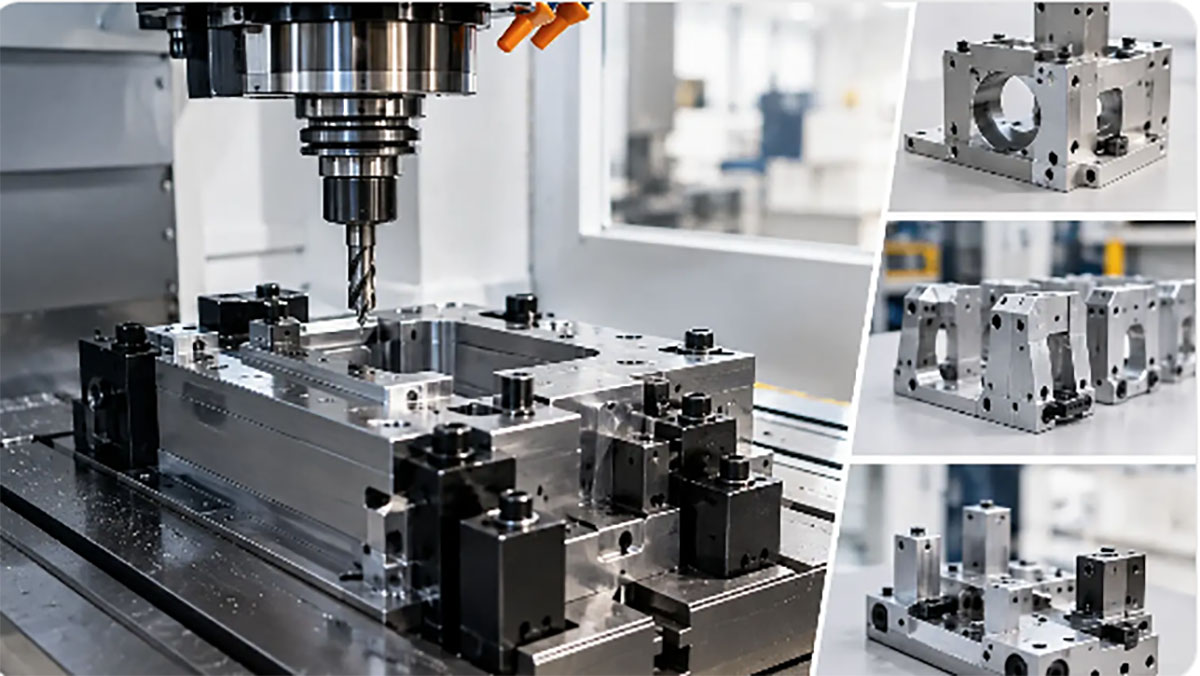
The third mistake is splitting too many related processes across different suppliers. A silicone component that mates with an injection molded housing or a CNC-machined frame benefits from coordinated dimensional review. Companies like Xiamen Creator Technology support this better when the silicone work is managed alongside tooling, , metal parts, and final assembly under one production plan.
How to Evaluate a Supplier for Silicone Compression Molding Service
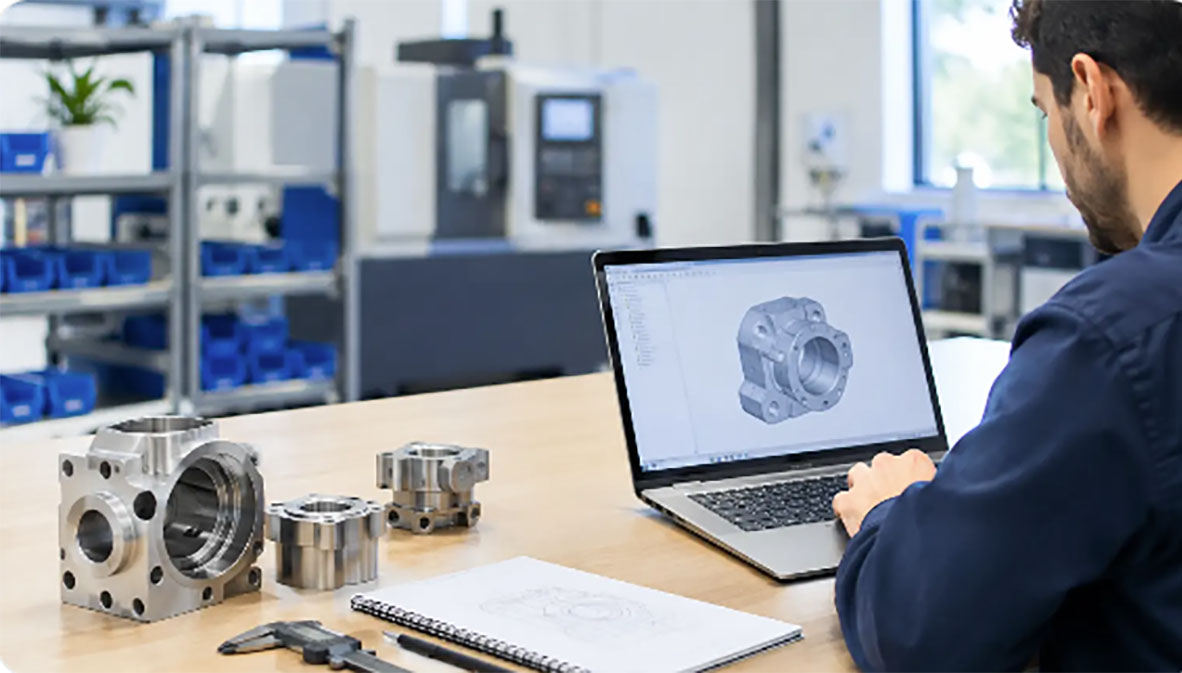
The best evaluation usually starts with process fit, not marketing claims. Ask how the supplier would tool the part, what risks they see in the geometry, how they plan to control flash and trimming, and whether they expect any dimensional instability based on the material and cross-section.
Then look at operational capability. Can they support prototype samples and production volumes with the same engineering ownership? Can they fabricate tooling, revise molds, document inspection criteria, and manage secondary operations without adding confusion between vendors? If your product includes multiple materials or subassemblies, that coordination becomes a major advantage.
Finally, ask for realistic trade-offs. A credible supplier should explain where compression molding is strong, where it is limited, and when another silicone process would be more efficient. That kind of answer usually tells you more than a fast quote.
A good silicone manufacturing program does not start with the mold closing. It starts with the part being understood in context—how it seals, how it fits, how it will be inspected, and how it scales when the first production forecast changes. If your supplier can manage those details early, the molding process becomes much easier to trust later.
Key Takeaways for Buyers
Process Over Price: Evaluate compression molding as a manufacturing process, not just a line item.
Design Matters: Uniform walls, proper draft, and smart parting lines prevent flash and distortion.
Tooling Strategy: Choose between single-cavity, multi-cavity, and bridge tools based on volume and risk.
Specify Wisely: Define exact performance needs (hardness, temp, etc.) to avoid over-engineering.
Integration Wins: Coordinating silicone molding with nd assembly reduces interface risks.