Understand the top benefits of one stop manufacturing: faster launches, clearer accountability, controlled quality, and scalable production for teams.

A
product can be technically sound and still miss its launch window because
prototype shops, toolmakers, component suppliers, and assemblers are working
from different assumptions. The top benefits of one stop manufacturing come
from reducing those handoffs. When one manufacturing partner coordinates the path
from early prototype through production, decisions move faster, responsibility
is clearer, and process changes are less likely to create expensive downstream
problems.
For product companies,
engineers, and sourcing teams, this model is not simply about using fewer
vendors. It is about building a controlled production workflow around the
actual requirements of the product: material performance, tolerances,
cosmetics, tooling life, assembly sequence, packaging, target volume, and
delivery timing.
What One Stop Manufacturing Covers
One stop manufacturing combines multiple product
realization services under one operational structure. Depending on the project,
that may include design support and drawing review, rapid prototypes, CNC
machining, SLA or SLS printing, silicone or plastic tooling, injection molding,
die casting, stamping, component sourcing, assembly, inspection, and packaging.
The value is not that every
part must use one process. A molded housing, stamped metal bracket, machined
fixture, silicone keypad, and purchased electronic component may each require
different methods. The advantage is that the production plan, quality
requirements, and delivery schedule are managed as one connected program.
The Top Benefits of One Stop
Manufacturing for Product Teams
Faster
movement from prototype to production
A prototype is often where a product team learns what
needs to change. Wall thickness may need adjustment for molding, a snap fit may
need more clearance, a metal feature may be easier to stamp than machine, or an
assembly step may require a locating fixture. With separate suppliers, each
change can trigger a new round of quotes, file transfers, and interpretations.
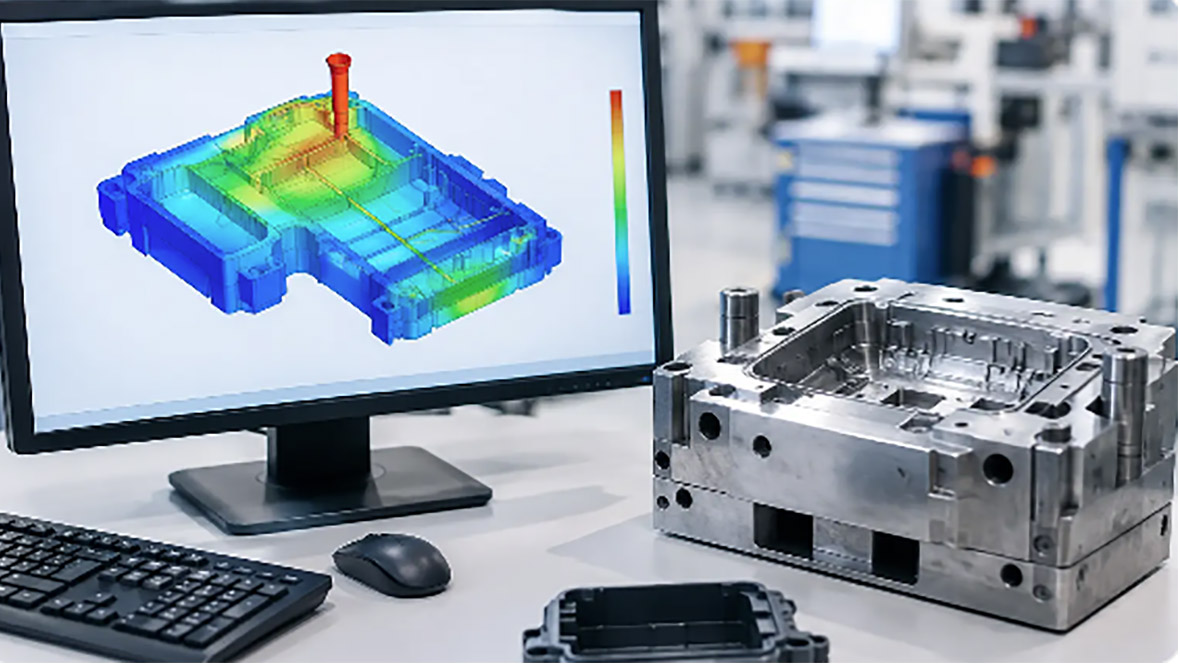
An integrated partner can
review the prototype against the next production process before the design is
locked. That makes design for manufacturability and design for assembly practical rather than
theoretical. The same team that evaluates a CNC prototype can identify the changes
needed for injection molding, die casting, or stamping, then carry those
requirements into tooling and pilot production.
This does not eliminate
engineering iteration. It reduces avoidable iteration caused by poor process
alignment. For startups preparing for a first production run and established
OEMs updating an existing product, that difference can protect a launch
schedule.
Clearer accountability across the
supply chain
When a completed product has a fit issue, cosmetic
defect, or missed shipment date, multi-vendor manufacturing can turn into a
chain of explanations. The molder may point to the tooling supplier. The
assembler may point to a component variation. The sourcing team may be waiting
for each party to respond before determining who owns the corrective action.
One stop manufacturing
establishes a single operational point of accountability. The manufacturing
partner still works with specialized processes and suppliers where needed, but
it owns coordination between those steps. Material specifications, approved
samples, inspection criteria, and assembly instructions can be controlled from
the same production record.
For procurement teams, this
also simplifies communication. Instead of managing separate purchase orders,
revision histories, quality discussions, and delivery updates across several
vendors, they can work through one program manager or manufacturing contact.
That does not remove the need for oversight, but it gives the customer a more
direct path to answers and corrective action.
Better quality consistency at
handoff points
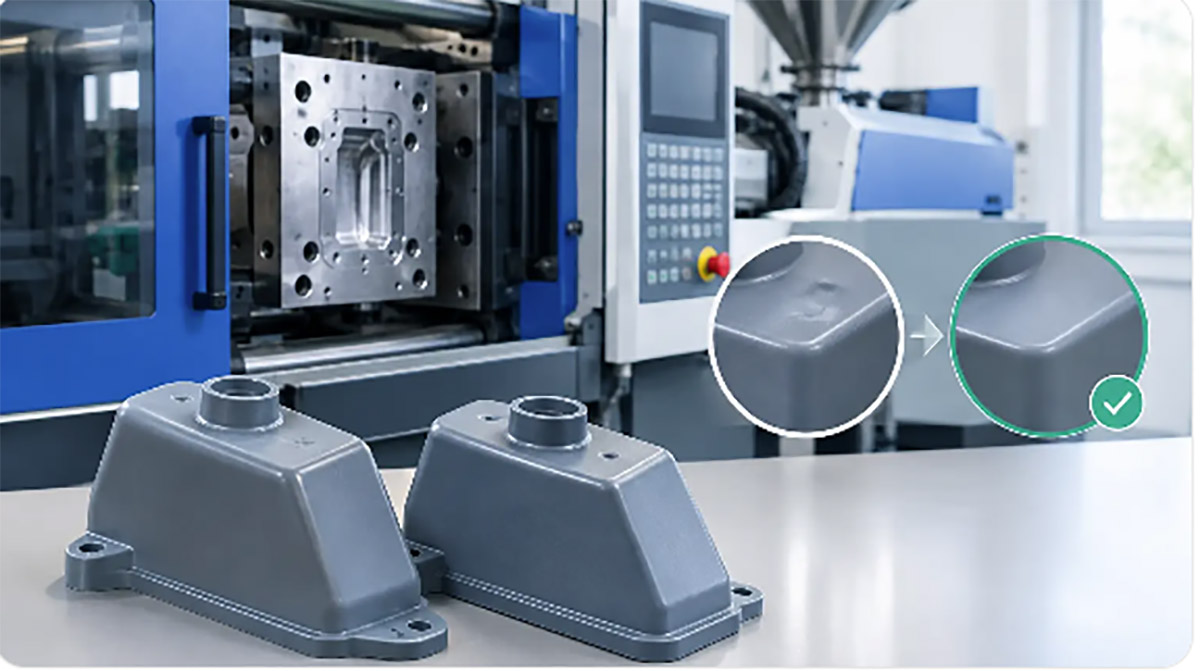
Many quality failures occur between processes, not
within a single operation. A molded component may meet its dimensional drawing
but fail to assemble correctly with a stamped insert. A supplied cable may pass
incoming inspection but create strain or routing issues during final assembly.
Packaging may protect the product poorly, leading to cosmetic damage after
production has already passed inspection.
An integrated manufacturing
workflow makes those interfaces visible earlier. Incoming components can be
checked against assembly needs, not only against their individual
specifications. Fixtures can be designed around critical alignment features.
First-article inspection, in-process checks, and final inspection can use the
same approved requirements.
This is particularly valuable
for products with tight tolerance stacks, mixed materials, cosmetic surfaces,
or several subassemblies. Consistency does not mean every batch will be
identical without monitoring. It means the controls are connected, so a
variation found during assembly can be traced back to its source and addressed
before it affects more units.
More accurate cost decisions
A low unit price from one supplier does not always
produce the lowest total manufacturing cost. A part may be inexpensive to
machine but costly to assemble. A tooling shortcut may lower the initial quote
while increasing scrap, cycle time, or maintenance requirements later.
Splitting the project across vendors can also create hidden costs in freight,
rework, duplicate inspections, and internal coordination.
A one stop manufacturer can
evaluate costs at the product level. For example, changing a feature may reduce
tooling complexity, shorten assembly time, and improve yield at the same time.
Consolidated sourcing may also reduce small-order purchasing effort and prevent
incompatible component substitutions.
The right objective is not
always the lowest initial quotation. It is a production plan that balances
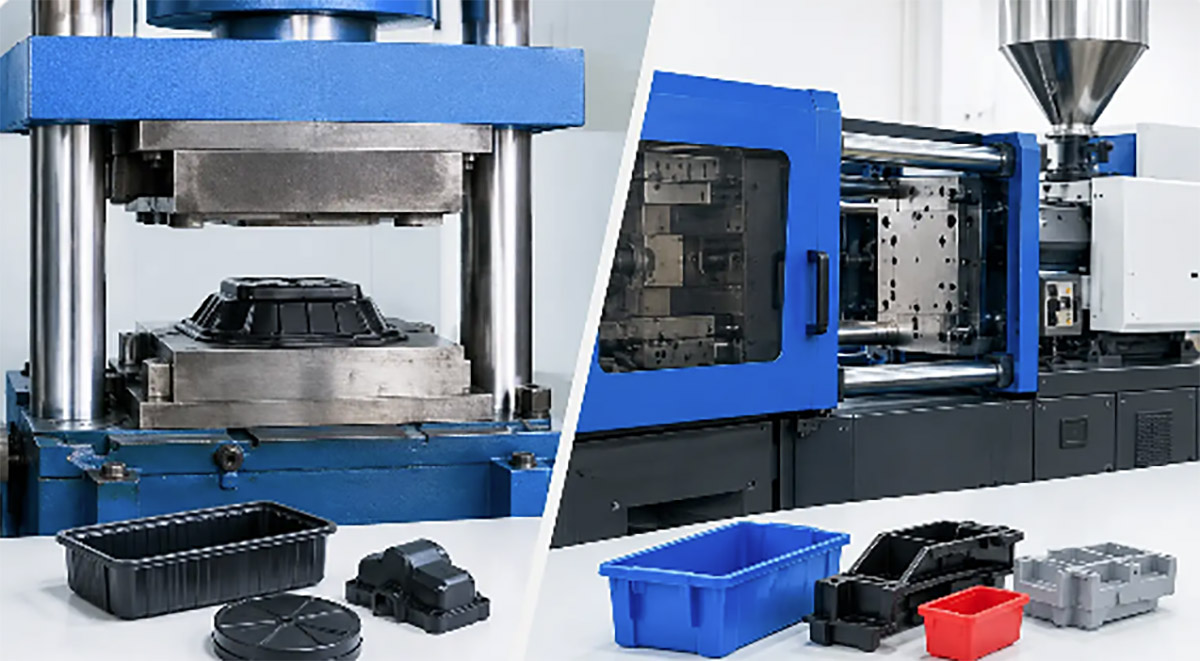
tooling investment, unit cost, quality risk, lead time, and expected volume.
For a pilot run, flexible tooling or CNC production may be the sensible choice.
For a product with sustained demand, production tooling can produce a lower
cost per part and more repeatable output.
Easier scaling from pilot builds to
repeat orders
The move from a few prototypes to hundreds or
thousands of units changes the manufacturing problem. Prototype methods
prioritize speed and design learning. Production methods prioritize
repeatability, cycle time, process capability, material control, and inspection
discipline.
One stop manufacturing
supports that transition without requiring the product team to rebuild its
vendor network. Early prototypes and pilot builds generate practical
information about tolerances, assembly sequence, packaging, and user-facing
finish requirements. Those lessons can be carried directly into production
tooling, work instructions, quality plans, and final pack-out.
This continuity matters when
demand is uncertain. A company may need a small engineering validation build,
followed by a limited market release, then recurring production. An integrated
partner can recommend suitable processes at each stage rather than forcing
every volume into the same manufacturing method.
Stronger control of sourcing and
assembly
Complete products depend on more than custom-made
parts. They may require fasteners, springs, magnets, cables, labels, electronic
components, adhesive materials, foam, and retail packaging. Each item
introduces a possible source of variation, delay, or documentation mismatch.
Centralized component sourcing
and assembly create a better view of the bill of materials. The manufacturer
can verify that purchased items match the approved specification, manage
incoming inspection where appropriate, and stage components around the assembly
schedule. If a part revision changes a mating feature, the assembly process and
related purchased items can be reviewed together.
For OEM brands, this can
reduce the administrative load of coordinating component deliveries to a
separate assembly location. It also provides a more complete quality record for
the finished product rather than isolated records for individual parts.
Where the Model Requires Careful
Evaluation
One stop manufacturing is not automatically the best
answer for every project. Some companies already have strategic suppliers for
proprietary electronics, highly regulated components, or specialized materials.
Others may need local production for a specific compliance, logistics, or
service requirement.
The key question is whether
the partner has proven capability in the processes that are critical to the
product. Ask how design revisions are controlled, how first articles are approved, what
inspection methods apply to critical dimensions, how suppliers are qualified,
and who manages nonconforming material. A broad service list is useful only
when it is supported by clear technical ownership and practical quality
controls.
It is also wise to define the
transition points before production begins. Confirm approved drawings, material
grades, cosmetic standards, acceptable quality levels, packaging requirements,
production quantities, and change authorization procedures. These details
prevent speed from becoming ambiguity.
Choosing an Integrated
Manufacturing Partner
The strongest partners do more than quote individual
processes. They ask how the product will be used, what volume is expected,
which dimensions are critical, what finish is required, and where assembly risk
may occur. They can explain why a particular process fits the part and identify
where design changes can improve manufacturability.
For example, Xiamen Creator
Technology can support programs that require prototypes, tooling, custom
components, assembly, and packaging within a coordinated workflow. The
practical value comes from connecting those stages with defined requirements,
rather than treating them as unrelated transactions.
Before releasing your next
product, map the handoffs that currently slow decisions or create quality
uncertainty. The best manufacturing structure is the one that gives your team
earlier visibility into those risks and a capable partner to act on them.