Compare the best manufacturing methods for enclosures by volume, material, tolerance, finish, tooling cost, and production requirements.

An
enclosure can look simple in a CAD model and become expensive, delayed, or
difficult to assemble once it reaches production. Selecting the best
manufacturing methods for enclosures requires more than choosing plastic or
metal. The right process depends on annual volume, material performance, part
geometry, cosmetic requirements, environmental exposure, and how the enclosure
interfaces with internal components.
For product teams, the
decision should start with the production requirement rather than the process
preference. A prototype enclosure for fit testing, a 500-unit pilot run, and a
100,000-unit consumer product may use different manufacturing methods even when
the external design is nearly identical. Early DFM review helps identify where
wall thickness, draft angles, fastening features, sealing surfaces, and finish
requirements should change before tooling costs are committed.
Best Manufacturing Methods for
Enclosures by Production Stage
3D
printing for concept models and functional prototypes
SLA and SLS 3D printing are practical for early
enclosure development because they avoid hard tooling and support quick design
changes. SLA is commonly selected when appearance, fine surface detail, and
visual evaluation matter. It can produce smooth prototype housings for
stakeholder review, design validation, and low-stress fit checks.
SLS is better suited to
functional prototypes requiring greater toughness and more complex internal
geometry. Nylon SLS parts can support snap-fit trials, cable-routing features,
and basic assembly testing. Neither process should automatically be treated as
a direct substitute for injection-molded material. Printed parts can differ in
strength, texture, heat resistance, dimensional behavior, and long-term
durability.
Use 3D printing when design
flexibility has more value than unit cost. It is especially effective for
validating the enclosure around PCBs, batteries, connectors, switches,
displays, and mounting brackets before production tooling begins.
CNC machining for precision and
low-volume production
CNC machining is often the strongest
option for low-volume enclosures that need tight tolerances, production-grade
materials, or specific surface finishes. Plastic enclosures can be machined
from ABS, PC, POM, acrylic, nylon, and other engineering materials. Aluminum
and stainless steel can be machined when structural performance, thermal
management, or premium appearance is required.
For electronic enclosures, CNC
machining is useful where connector openings, mating surfaces, threaded holes,
and heat-sink interfaces need controlled dimensions. A machined aluminum
housing can also provide electromagnetic shielding and efficient heat
dissipation, which may reduce the need for separate internal shielding
components.
The trade-off is material
removal. CNC machining can become less cost-effective when geometry is complex,
parts require extensive machining time, or volume rises. Deep internal pockets,
thin walls, and multiple setups add cost. Still, for bridge production,
industrial equipment, test fixtures, and specialized OEM devices, machining
offers a dependable path between prototype and mass production.
Soft tooling for pilot runs and
market validation
Silicone tooling and other soft-tool approaches fill
the gap between one-off prototypes and full production molds. They are useful
when a team needs dozens or hundreds of plastic parts for pilot builds, user
testing, demonstrations, or limited market launches.
Soft tooling generally has
lower initial cost and shorter lead time than hardened steel tooling. It gives
teams an opportunity to assess assembly flow, packaging fit, color selection,
and field performance with parts closer to the intended production process.
This stage can reveal issues such as inconsistent snap fits, weak screw bosses,
difficult demolding, or poor access to assembly points.
Tool life and dimensional
consistency are more limited than with production injection molds, so soft
tooling is not the right answer for sustained high-volume demand. Its value is
risk reduction. It allows a product team to learn from a controlled pilot
before investing in permanent tooling.
Injection molding for high-volume
plastic enclosures
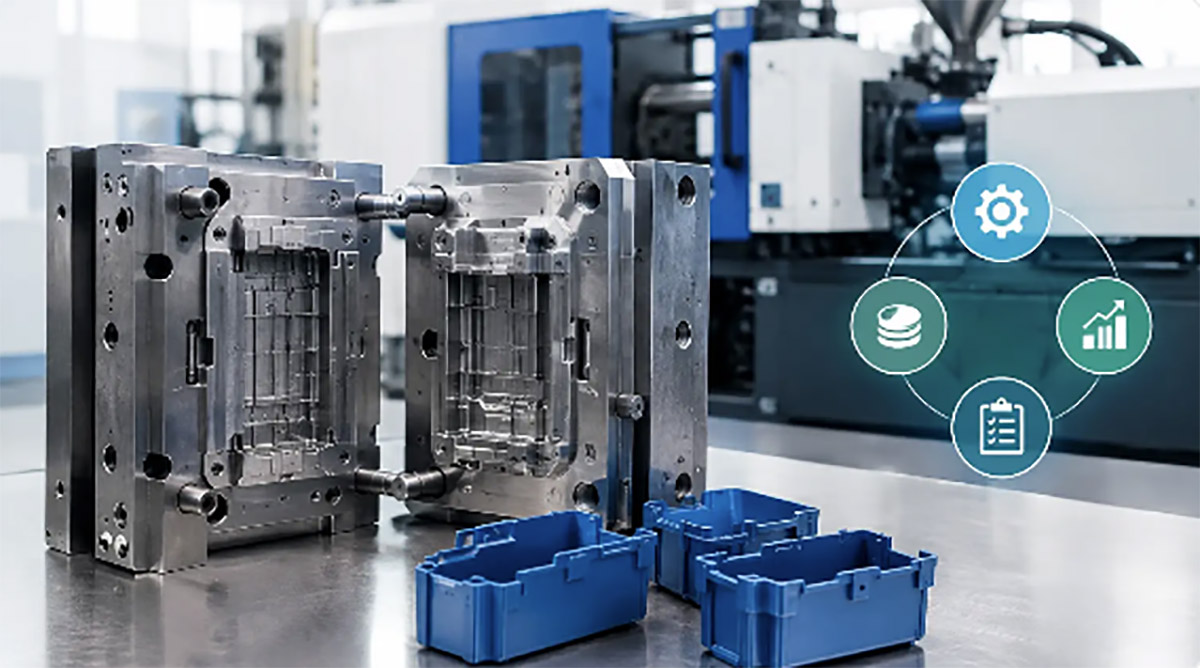
Injection molding is the standard production method
for high-volume plastic enclosures. Once tooling is complete, it offers
repeatable dimensions, low unit costs at scale, broad material options, and
efficient cycle times. Common enclosure materials include ABS, polycarbonate,
PC/ABS, polypropylene, nylon, and flame-retardant compounds selected for
electrical or regulatory requirements.
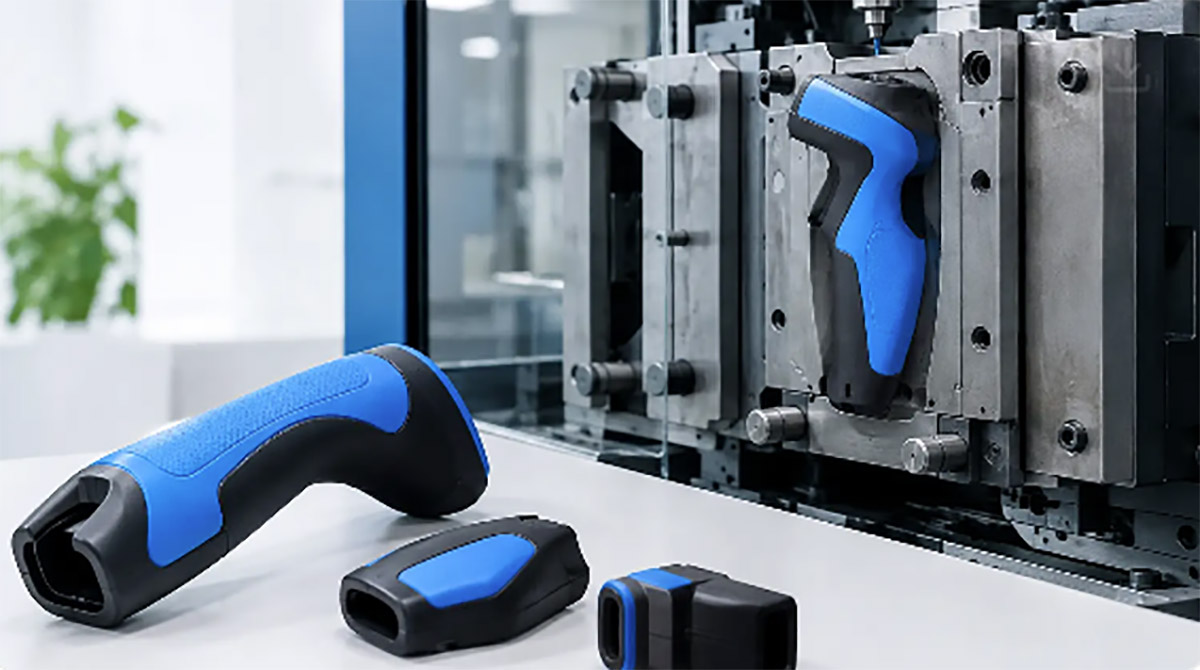
The process works particularly
well for consumer electronics housings, appliance components, handheld devices,
control panels, and molded covers. It also supports integrated features that
reduce secondary assembly, including ribs, locating pins, snap fits, living
hinges, bosses, cable guides, and cosmetic textures.
Injection molding requires disciplined
DFM. Wall thickness should remain as consistent as practical to reduce sink
marks, warpage, and uneven cooling. Vertical faces need draft for clean
ejection. Ribs and bosses must be proportioned to avoid visible sinks or
cracking. Undercuts may require slides or lifters, which increase tooling
complexity and cost.
A production mold is a capital
decision, not only a manufacturing purchase. Before cutting steel, teams should
confirm expected demand, material selection, surface finish, tolerances,
assembly method, and any certification-driven requirements. Changes made after
tooling can be possible, but they are slower and more expensive than changes
made during design review.
Die casting for durable metal
housings
Aluminum and zinc die casting are effective for metal
enclosures produced in medium to high volumes. Die-cast parts can form complex
shapes with ribs, bosses, mounting features, and thin-wall structures that
would require more machining if made from billet material.
Aluminum die casting is
frequently used for electrical housings, lighting products, automotive
components, industrial controllers, and thermal-management applications. It
provides good stiffness and heat dissipation. Zinc die casting is well suited
to smaller, detailed parts where dimensional stability and fine features are
priorities.
Die casting tools require a
larger upfront investment, and part design must account for draft, parting
lines, gates, ejection, and porosity risk. Secondary machining may still be
needed for precision threads, sealing faces, or critical bores. When the
enclosure must withstand impact, dissipate heat, and maintain a premium metal
feel at volume, die casting can be commercially efficient.
Sheet metal fabrication for
flexible metal designs
Sheet metal fabrication is a strong choice for
enclosures with flat panels, bends, ventilation patterns, brackets, and
serviceable access. It is widely used for server cases, electrical cabinets,
laboratory equipment, industrial controls, and power-supply housings.
Laser cutting, punching,
bending, welding, PEM hardware insertion, and powder coating can be combined to
produce functional enclosures without the dedicated tooling cost of die
casting. For low to medium volumes, this flexibility is valuable. Design
changes to cutouts or panel layouts are typically easier to accommodate than
changes to a die-cast or injection mold.
Designers should account for
bend radius, bend relief, material thickness, fastener access, and flat-pattern
tolerance. Large sheet-metal assemblies can also require attention to
distortion from welding and to cosmetic consistency across painted or
powder-coated surfaces.
How Material and Assembly
Requirements Change the Decision
Material selection should follow the enclosure's
working environment. ABS may be appropriate for indoor consumer products, while
polycarbonate offers higher impact resistance. PC/ABS balances appearance and
toughness for many electronic housings. Aluminum supports thermal transfer and
shielding. Silicone may be required for flexible protective covers, gaskets,
buttons, or overmolded grip areas.
Assembly requirements matter
just as much. A housing designed for screws may need reinforced bosses and
access for drivers. A snap-fit enclosure needs controlled material flexibility
and dimensional repeatability. Waterproof designs require continuous gasket
compression, appropriate screw spacing, and careful management of split lines,
cable exits, and connector interfaces. A process that produces the shell
successfully may still fail the project if it cannot hold the tolerances needed
for sealing and final assembly.
Surface finish should be
specified early. Mold texture, paint, silk screening, laser marking, anodizing,
plating, and powder coating each affect process selection, cost, and cosmetic
acceptance criteria. A polished cosmetic surface may expose sink marks or
tooling defects that would be acceptable under a textured finish.
A Practical Selection Framework
The best enclosure process is usually identified by
answering five questions: What volume is required? What must the enclosure
withstand? Which dimensions are critical? How will it be assembled? What level
of cosmetic quality is expected?
For early validation, SLA,
SLS, and CNC machining provide speed and flexibility. For pilots, soft tooling
or low-volume CNC production may be appropriate. For sustained plastic volumes,
injection molding normally delivers the best unit economics. For high-volume
metal housings, die casting becomes attractive. For configurable equipment
housings and low-to-medium-volume fabricated metal products, sheet metal
remains highly practical.
Xiamen Creator Technology can
coordinate prototypes, tooling, production parts, assembly, and packaging
within one manufacturing workflow. That coordination is useful when an
enclosure includes mixed processes such as an injection-molded shell, silicone
gasket, stamped bracket, machined heat sink, and assembled electronics.
A well-chosen process does
more than reduce piece price. It gives engineering, sourcing, and operations
teams a realistic path from the first functional prototype to repeatable
production, with fewer late-stage changes and clearer control over quality.