OEM electronics assembly manufacturing combines sourcing, PCB build, mechanical integration, testing, and packaging into a controlled production workflow.

A product can have a well-designed
enclosure, a validated PCB, and approved components yet still fail at the
production stage. The gap is often in OEM electronics assembly
manufacturing: the coordinated work of sourcing, assembling, testing, and
packaging a finished electronic product at repeatable quality levels. For
product companies, the objective is not simply to build units. It is to build
units that can be inspected, shipped, serviced, and produced again without
avoidable variation.
OEM Electronics Assembly
Manufacturing: What It Covers
OEM electronics assembly manufacturing is the
production of electronic products for another company’s brand or product line.
The manufacturing partner may receive a complete production package, or it may
support the client from an earlier stage with design drawings, prototype parts,
tooling, component sourcing, and assembly planning.
The scope depends on the
product. A simple build may involve PCB assembly, cable installation, enclosure
fastening, functional testing, labeling, and retail packaging. A more complex
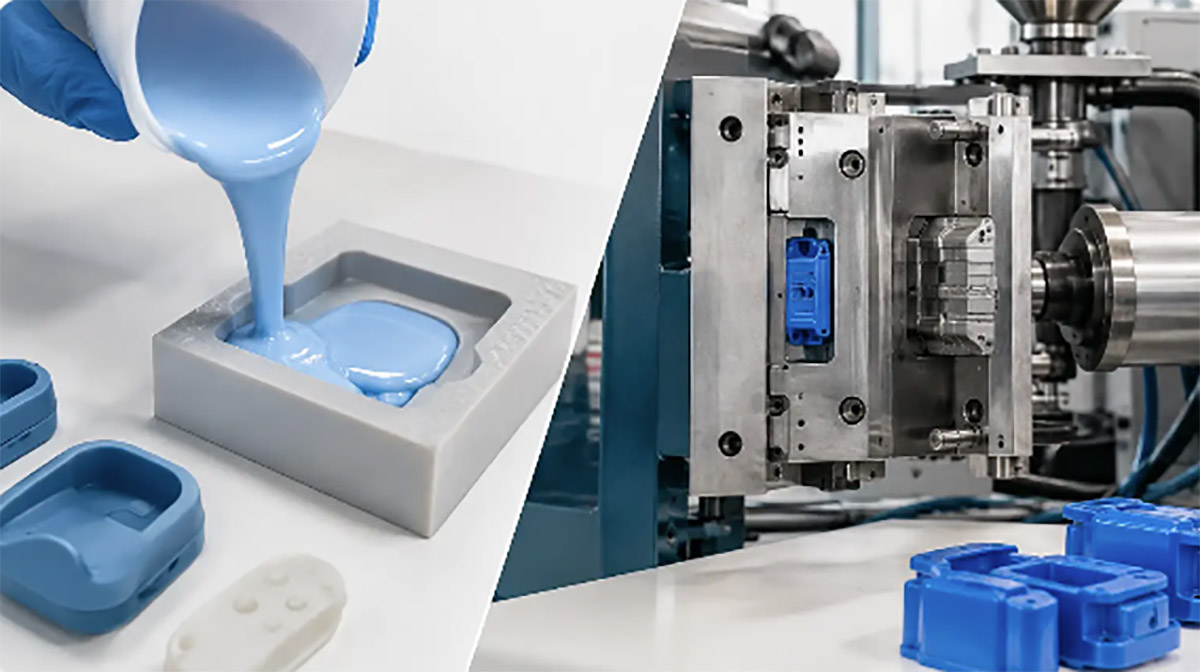
program can require injection-molded housings, die-cast metal parts,
silicone buttons, stamped contacts, custom fixtures, firmware loading,
calibration, and traceability records.
This is why electronics
assembly should not be treated as an isolated final step. The PCB, mechanical
parts, fasteners, adhesives, connectors, packaging, and test method all affect
whether production can run predictably. A supplier that can coordinate these
elements under one production plan reduces the handoffs that often create
delays, mismatched revisions, or unclear accountability.
Start With Production Readiness,
Not the Purchase Order
Before ordering parts or scheduling a line, the
product needs a production-ready data package. This is where many first
production runs lose time. Engineering teams may have a prototype that works,
but a prototype is not automatically ready for assembly at volume.
A usable package normally
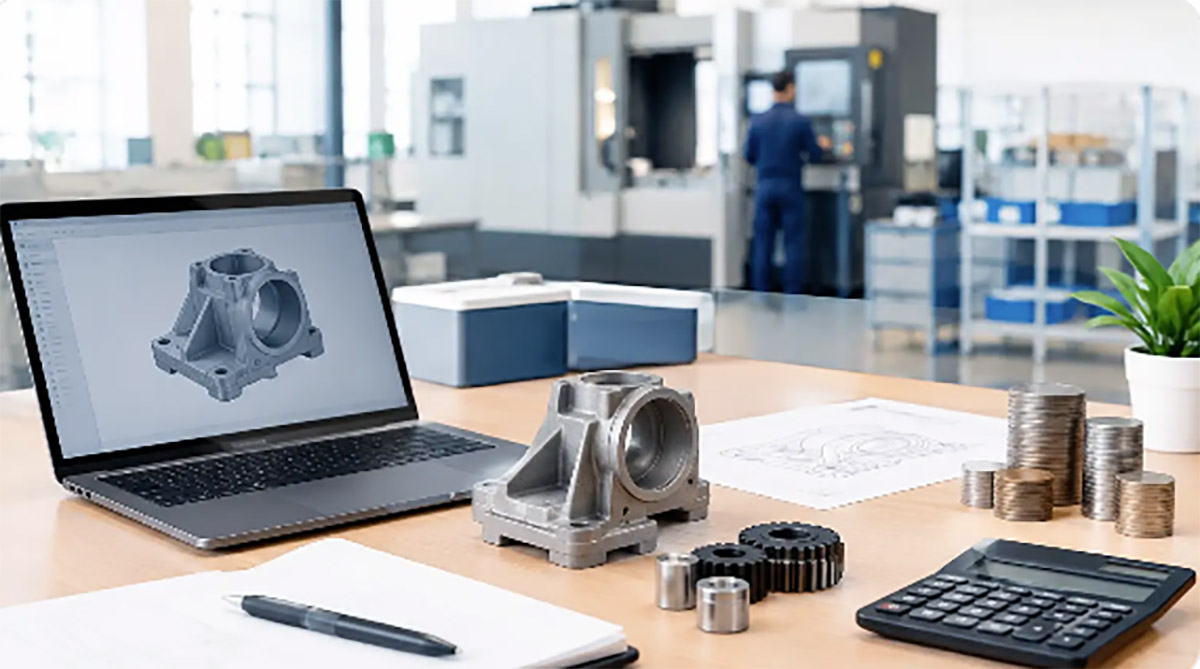
includes current 2D or 3D mechanical files, PCB fabrication and assembly files,
a bill of materials, approved vendor or alternate-part information, assembly
drawings, cosmetic requirements, firmware instructions, and test criteria.
Revision control matters. If the PCB file indicates one connector orientation
while the mechanical drawing shows another, the factory needs a controlled
process for resolving the conflict before production begins.
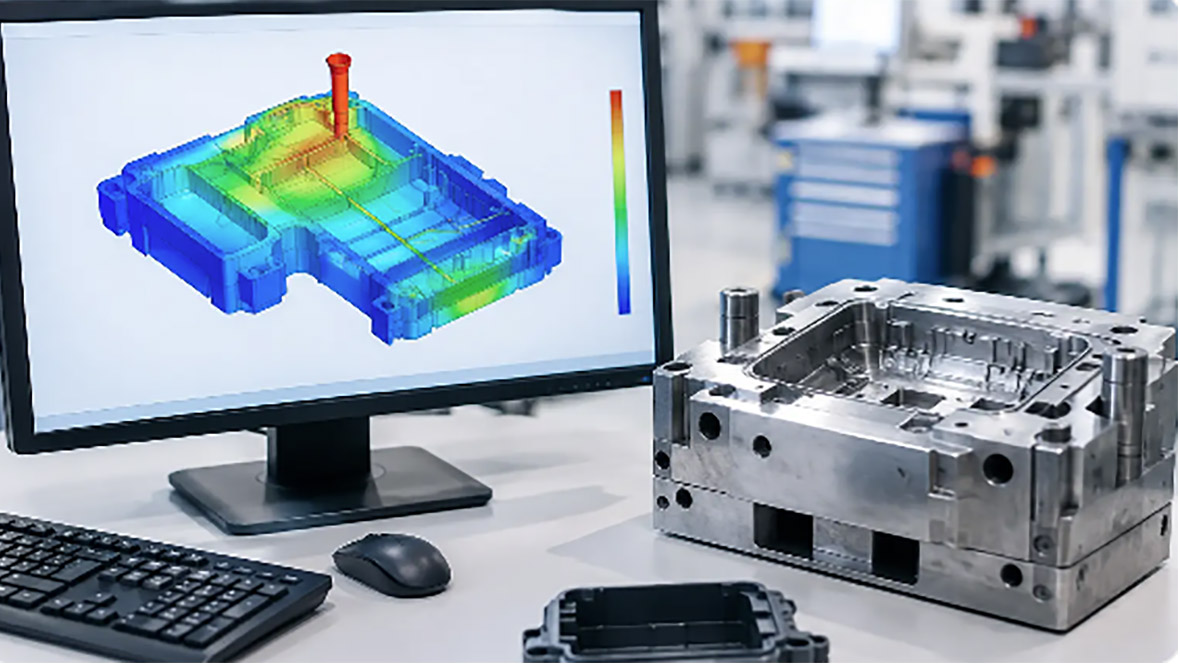
Design for manufacturability
and design for assembly reviews should happen before tooling and material
commitments. These reviews identify practical issues such as insufficient
clearance around connectors, difficult screw access, fragile cable routing,
tolerance stack-up between molded parts and PCBs, or adhesives that require an
unrealistic cure time.
The lowest-cost component is
not always the lowest-cost production choice. A connector that saves a few
cents may introduce manual alignment, increase the chance of damage, or have an
unstable supply position. Similarly, an enclosure design with hidden fasteners
may look cleaner but require more labor, fixtures, or rework. The right choice
depends on expected volume, product positioning, service needs, and target
cost.
The Core Production Workflow
A controlled electronics build follows a sequence,
even when several activities occur in parallel. The sequence should be visible
to the customer and managed with clear release points.
Material sourcing and incoming
inspection
Production begins with purchasing the approved
electronic and mechanical components. For electronics, this may include bare
PCBs, integrated circuits, passive components, displays, batteries, switches,
connectors, antennas, and cables. Mechanical items may include molded housings,
silicone seals, metal brackets, screws, labels, and packaging inserts.
Component sourcing requires
more than locating available stock. The manufacturer should verify manufacturer
part numbers, package specifications, approved substitutions, lead times,
minimum order quantities, and authenticity controls for sensitive components.
When substitutions are necessary, they should be reviewed against electrical,
mechanical, regulatory, and firmware requirements rather than approved solely
because they fit the footprint.
Incoming inspection can
include quantity checks, visual review, dimensional verification, color
comparison, and functional sampling. The inspection level should match the
risk. A cosmetic consumer enclosure may need close appearance standards, while
a hidden bracket may require greater attention to dimensions and material
strength.
PCB assembly and electronic
preparation
The PCB assembly process typically includes solder
paste printing, component placement, reflow soldering, inspection, and repair
where permitted. Depending on the design, through-hole components may be wave
soldered, selectively soldered, or hand soldered.
PCB quality affects final
assembly directly. Poor solder joints, incorrect component polarity, missing
components, or damaged connectors can create failures that are expensive to
find after the board has been enclosed. Automated optical inspection, X-ray
inspection for certain hidden joints, and electrical testing may be appropriate
depending on board complexity and product risk.
Boards may also need firmware
programming, serial number assignment, calibration, or pre-assembly functional
checks. Performing these steps at a defined station helps prevent a
non-functional board from moving into final assembly where diagnosis becomes
slower and more costly.
Mechanical integration and final
assembly
Final assembly brings the electronic and mechanical
systems together. Operators install PCBs into housings, route wire harnesses,
attach batteries, fit gaskets, fasten covers, install controls, and apply
labels. Work instructions should specify component orientation, torque
requirements, adhesive quantity, cure conditions, and inspection points.
Fixtures are often the
difference between a workable pilot run and consistent production. A fixture
can locate a PCB during screw fastening, hold a housing while adhesive cures,
protect a display during installation, or verify that a connector is fully
seated. For low volumes, simple jigs may be sufficient. For ongoing production,
purpose-built fixtures can reduce cycle time and operator-dependent variation.
Xiamen Creator Technology
supports this type of integrated workflow by coordinating prototype
development, tooling, custom mechanical parts, component sourcing, assembly,
and packaging within a connected manufacturing process.
Testing, inspection, and packaging
A finished product should be tested against
requirements that are meaningful for its actual use. That may include power-on
verification, display checks, button response, charging performance,
communication testing, sensor calibration, audio output, leak testing, or current
draw measurement.
Functional testing needs
defined pass and fail limits. “Unit powers on” is not a sufficient requirement
for a device that must maintain Bluetooth range, charge within a specific time,
or operate within a measured sensor tolerance. Test fixtures and recorded
results become increasingly valuable as volumes grow or when field traceability
is required.
Final quality control also covers appearance,
assembly fit, labeling, accessories, documentation, and packaging condition.
Packaging is part of the product system. It must protect the product during
transportation while meeting the retail, fulfillment, or bulk-shipping
requirements of the OEM brand.
Where Production Programs Commonly
Go Wrong
Most assembly failures are planning failures before
they become line failures. The common pattern is a change in one area that is
not evaluated across the full build. A replacement battery may require a
different cable length. A revised molded housing may affect antenna
performance. A new adhesive may require a different assembly sequence.
Another frequent issue is
treating the bill of materials as static. Component availability changes
quickly, particularly for semiconductors, displays, batteries, and connectors.
A practical manufacturing partner identifies long-lead or single-source items
early and develops approved alternatives where the design allows it. This does
not eliminate supply risk, but it gives the product team options before a
production date is at risk.
Quality expectations can also
be too vague. Terms such as “no scratches” or “good fit” leave too much to
individual judgment. For visible surfaces, define acceptable cosmetic
standards, viewing distance, lighting conditions, and approved color
references. For assembly, define critical dimensions, torque windows, test
limits, and defect-handling procedures.
Choosing the Right Assembly Model
Some OEMs provide all components and use a
manufacturer for labor and assembly only. This can make sense when the customer
has established supply contracts, proprietary parts, or direct control over
critical inventory. It also places more responsibility on the OEM to manage
shortages, shipping, receiving, and component quality.
A full-service manufacturing
model places sourcing, part production, assembly, testing, and packaging under
a coordinated plan. It can simplify communication and reduce logistics between
separate suppliers. The trade-off is that the OEM needs visibility into
sourcing decisions, costs, alternates, quality controls, and ownership of
production documentation.
For new products, a staged
approach is usually more effective than moving immediately to high
volume. Prototype builds validate form and
function. Pilot runs test the assembly method, fixtures, material flow, and
inspection plan. Only then should the process be released for repeat
production. The pilot stage may seem slower, but it is generally less expensive
than correcting tooling, instructions, or test coverage after thousands of
units are in process.
What to Ask Before Releasing a
Build
A capable assembly partner should be able to answer
operational questions clearly. Ask how revisions are controlled on the line,
what incoming inspections are performed, how component substitutions are
approved, and how nonconforming material is isolated. Ask whether the factory
can build test fixtures, maintain serial-number records, support engineering changes,
and provide pilot-run feedback before mass production.
It is also useful to ask where
the boundaries of responsibility sit. Who supplies firmware? Who approves
cosmetic samples? Who owns excess material after a forecast change? What
happens when a test failure is found after final assembly? These details are
not administrative extras. They determine how quickly a production issue can be
contained and corrected.
The best time to improve an
electronics assembly program is before the first unit reaches the line. A clear
production package, realistic quality criteria, and early feedback from
manufacturing turn a product design into a process that can be repeated with
confidence.