Component sourcing for product assembly reduces risk when suppliers, specifications, incoming checks, and production schedules are managed as one system

A
production line can be ready, operators can be scheduled, and packaging can be
approved, yet a product build still stops because one connector, fastener,
gasket, or molded housing does not arrive as specified. Component sourcing for
product assembly is not a purchasing task performed after design is complete. It
is a controlled production function that connects the bill of materials,
supplier capability, quality requirements, and assembly sequence.
For product companies moving
from prototype quantities to repeat production, the challenge is rarely finding
a supplier for a single part. The challenge is ensuring that every sourced
component works together at the required cost, quality level, and delivery
date. That requires clear specifications, realistic lead-time planning, and one
party accountable for coordinating the complete build.
Why Component Sourcing Affects
Assembly Performance
A product assembly is only as reliable as its least
controlled component. A low-cost part may appear acceptable in a sample review
but create problems when it reaches production: inconsistent dimensions,
unstable material properties, cosmetic variation, missing certifications, or
packaging that allows damage during transport. Each issue creates labor loss at
the assembly stage and can delay final shipment.
The effects are often compounded.
If a stamped bracket varies in flatness, technicians may need to force
alignment during assembly. If a silicone seal has the wrong hardness, a product
can fail a water-resistance test after final assembly. If a purchased PCB
connector changes without formal approval, the mating enclosure feature may no
longer fit. These are sourcing decisions with direct manufacturing
consequences.
Integrated sourcing also
improves commercial control. Rather than treating each purchase order as an
isolated transaction, the sourcing plan should account for tooling lead times,
minimum order quantities, safety stock, inspection requirements, and the order
in which parts are consumed on the line. This is particularly valuable for
products that combine injection-molded plastics, die-cast metal, silicone
parts, standard hardware, electronics, and custom packaging.
Build the BOM for Production, Not
Just Design
A bill of materials should give purchasing, quality,
and assembly teams enough information to buy and verify each item without
relying on verbal clarification. Part numbers alone are not sufficient when
several materials, finishes, or approved sources may look similar but perform
differently.
For each component, the
production BOM should establish the required revision, material or grade,
finish, color standard where applicable, critical dimensions, approved supplier
status, and incoming inspection method. It should also identify whether the
part is custom, off-the-shelf, customer-supplied, or purchased through the
manufacturing partner. This distinction affects liability, lead time, and
replacement planning.
Control Critical-to-Assembly
Characteristics
Not every dimension requires the same level of
control. The most important features are the ones that affect fit, function,
safety, appearance, or assembly time. Examples include thread engagement on a
machined metal part, snap-fit geometry on an injection-molded housing, adhesive
bonding surfaces, connector orientation, and hardness on a silicone keypad.
These characteristics should
be tied to a drawing, approved sample, or inspection standard before volume
purchasing begins. When a requirement is left open to interpretation, the
supplier may manufacture to its normal tolerance rather than the tolerance the
assembly requires. That can be acceptable for noncritical features, but it is a
costly risk for mating parts.
A practical release package
usually includes more than a 3D model. It should contain the latest drawings,
BOM revision, cosmetic acceptance criteria, material requirements, assembly
notes, and packaging instructions. For regulated or performance-sensitive
products, it may also require material declarations, test reports, lot
traceability, or supplier process records.
Choose Suppliers Based on Process
Fit
The right source is not always the supplier with the
lowest quoted unit price. A better decision considers whether the supplier's
process, equipment, quality controls, and production capacity match the
component's requirements. A supplier experienced in simple molded parts may not
be the best choice for a tight-tolerance housing with cosmetic texture,
inserts, and multiple mating interfaces.
For custom components, review
manufacturability before committing to tooling or long-term purchase
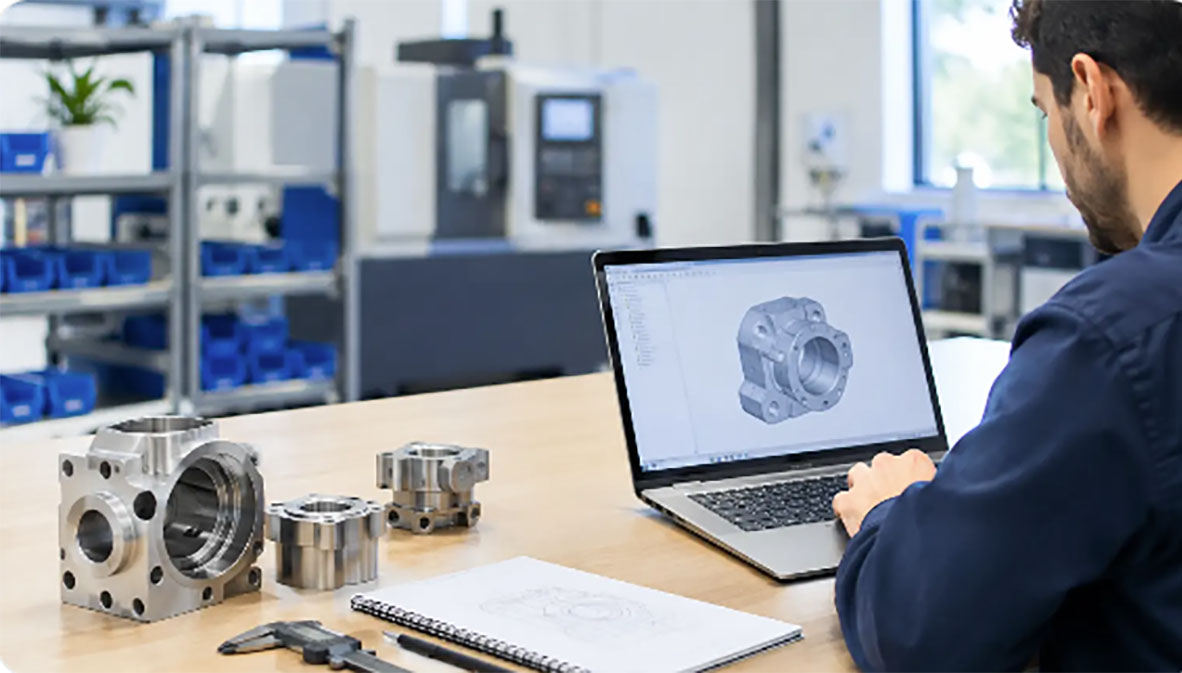
orders. CNC machining may be appropriate for a
low-volume pilot, while injection molding becomes more economical at higher
quantities. Die casting can provide efficient repeatability for certain metal
geometries, but tooling investment and draft requirements must be considered
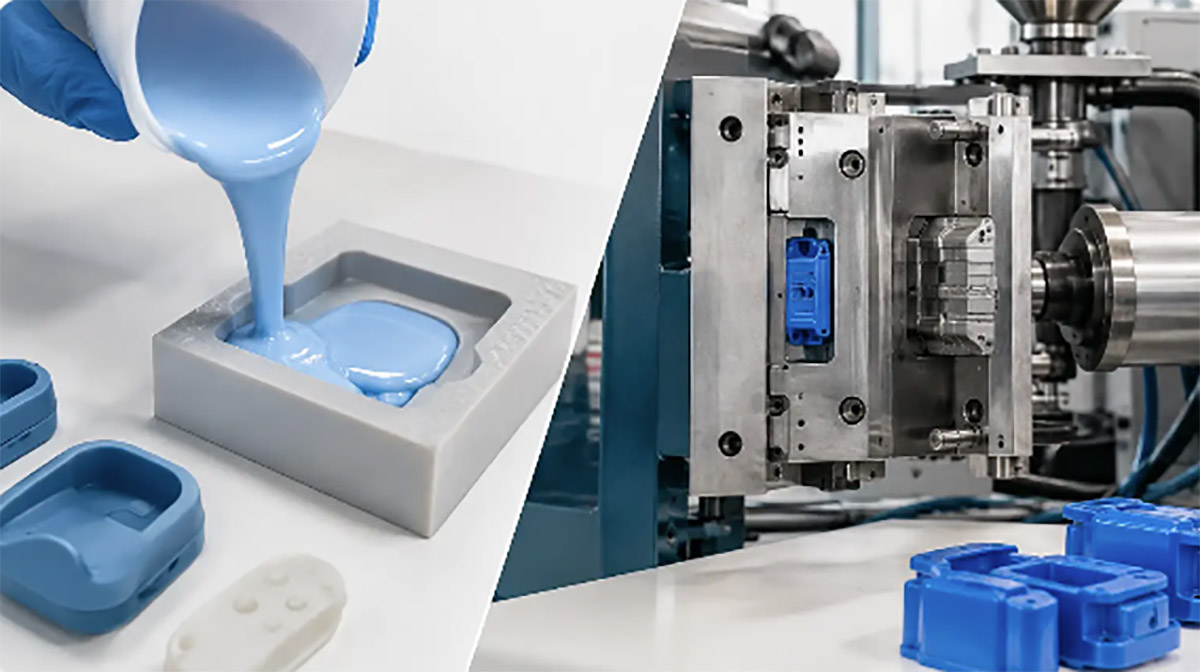
early. For silicone components, the choice between compression molding, liquid
silicone rubber molding, and a prototype process depends on volume, geometry,
hardness, and surface requirements.
Supplier selection should also
consider response time when changes occur. A source that can produce acceptable
parts but cannot support corrective action, replacement quantities, or
controlled engineering changes may create more risk than the initial savings
justify. This does not mean every part requires a premium supplier. Standard
screws, labels, and packaging items can often be sourced competitively,
provided specifications and incoming checks are clear.
Component Sourcing for Product
Assembly Requires Lead-Time Planning
Lead time is more than the number of days listed on a
quotation. It includes engineering review, sample approval, tool manufacturing
if needed, material preparation, production, inspection, packaging, transportation,
and incoming verification. For a complete build, the longest critical-path
component can determine the shipment date.
A coordinated sourcing plan
starts by identifying long-lead and high-risk items. Custom tooling, electronic
components, specialty materials, custom color-matched parts, and
certification-dependent items generally need earlier action than standard
hardware. Purchase timing should then be aligned with the assembly schedule,
not simply placed as soon as the design file is available.
There is a trade-off between
carrying extra inventory and risking a line stoppage. For stable, repeat
products, safety stock of critical components can protect delivery performance.
For products still undergoing frequent design changes, excessive inventory can
become obsolete. The appropriate level depends on demand stability, replacement
lead time, cost, storage conditions, and the likelihood of revision changes.
Incoming Quality Control Prevents
Line-Side Surprises
Incoming inspection should be proportional to the
component's risk. A critical sealing part, safety-related component, or visible
cosmetic surface deserves more control than a common fastener purchased from a
qualified source. The goal is not to inspect every feature on every item. The
goal is to detect issues before they consume assembly labor or become embedded
in finished goods.
Inspection can include
quantity verification, visual review, dimensional measurement, material
confirmation, color comparison, functional testing, and review of supplier
records. For parts with lot variation risk, maintaining lot identification
through storage and assembly provides a practical path for containment if a
field issue is discovered later.
Approved first articles are useful, but they
should not become a substitute for ongoing process control. A supplier can
provide a good first sample and still experience drift in later production due
to tool wear, material substitution, setup changes, or inadequate handling.
Periodic checks and defined acceptance criteria keep the quality system
connected to actual production.
Design Assembly Around Real
Components
Assembly efficiency should
influence sourcing choices before parts are ordered. A component may meet its
individual drawing but still be difficult to orient, insert, fasten, or test on
the line. Design for assembly reviews identify these
issues while changes are still less expensive.
Consider how operators will
distinguish similar parts, whether components can be installed in only one
orientation, and whether a fixture is needed to hold the product during
fastening or bonding. Standardizing screw types, reducing unnecessary
fasteners, and designing accessible test points can lower cycle time and reduce
assembly errors. The best approach depends on production volume: a manual pilot
build may justify flexible fixtures, while a repeat production program may
benefit from dedicated jigs and error-proofing features.
When component sourcing,
tooling, and assembly are managed under one production plan, feedback moves
faster. A sourcing issue can be evaluated against the actual assembly process
rather than handled as a separate purchasing exception. That connection helps
teams make practical decisions about substitutions, tolerances, inventory, and
cost without losing sight of the finished product.
The most useful sourcing
partner is one that can identify a potential mismatch before it reaches the
assembly bench, then provide a workable path to keep the build moving.