Insights and updates from the manufacturing world
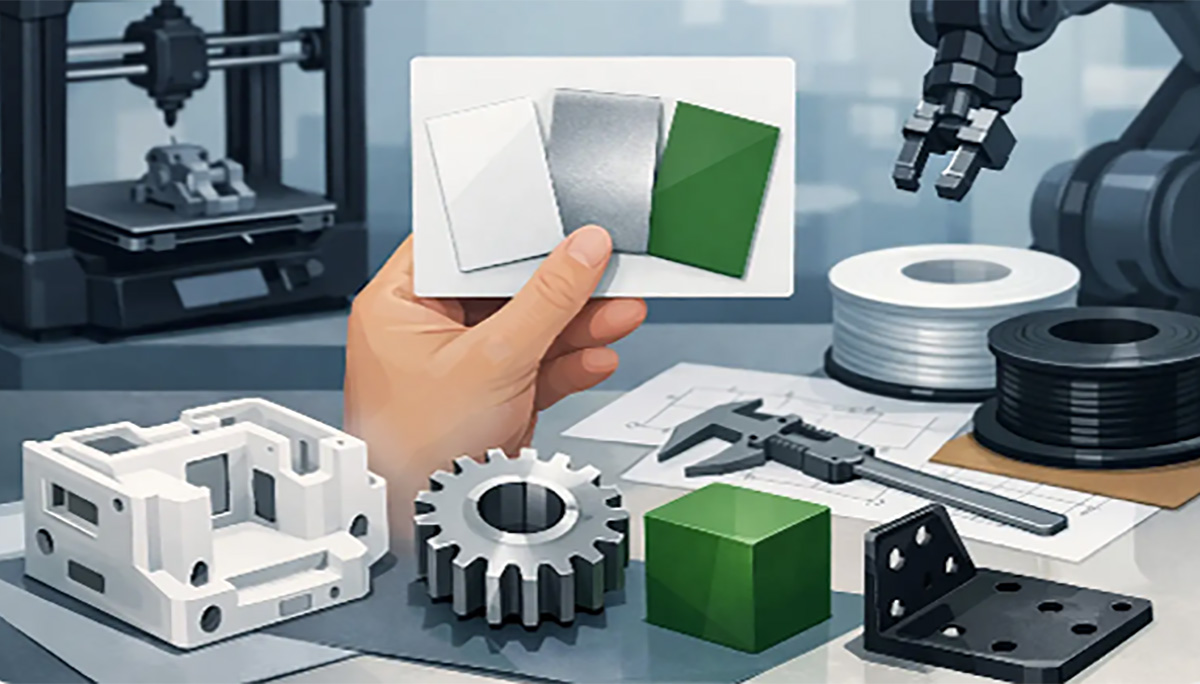
Learn how to choose prototype materials based on function, process, finish, cost, and production intent, so prototype results guide tooling decisions.
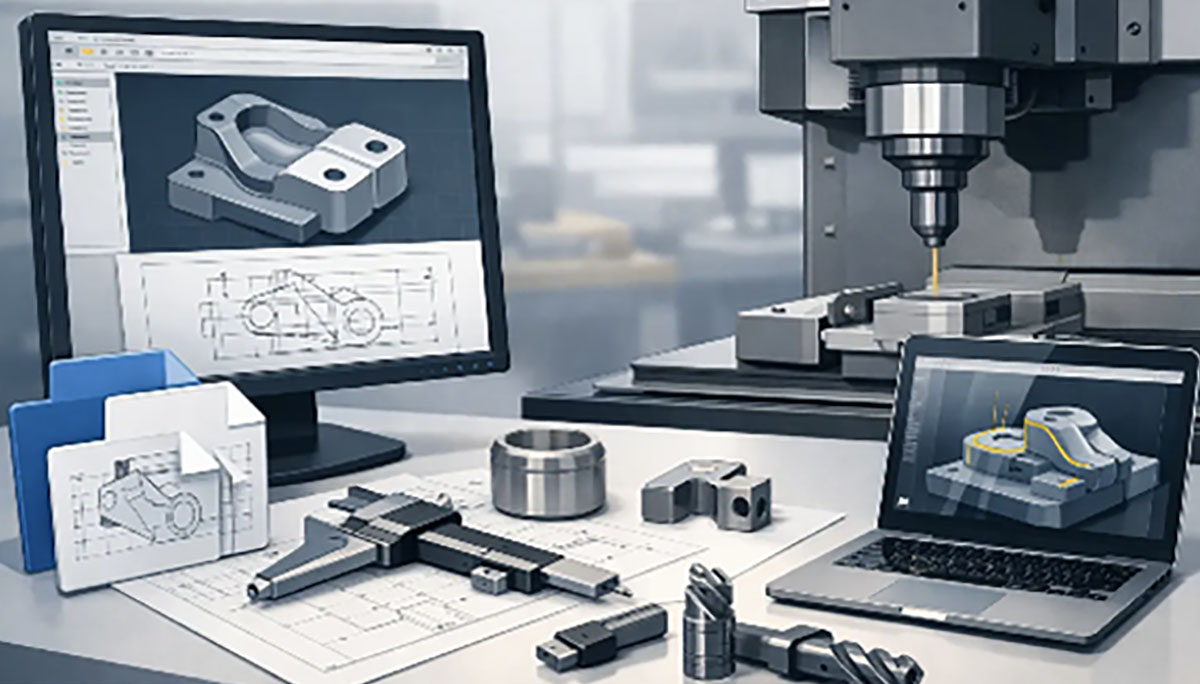
Learn how to prepare files for CNC machining with practical checks for geometry, tolerances, materials, threads, and inspection requirements before quoting
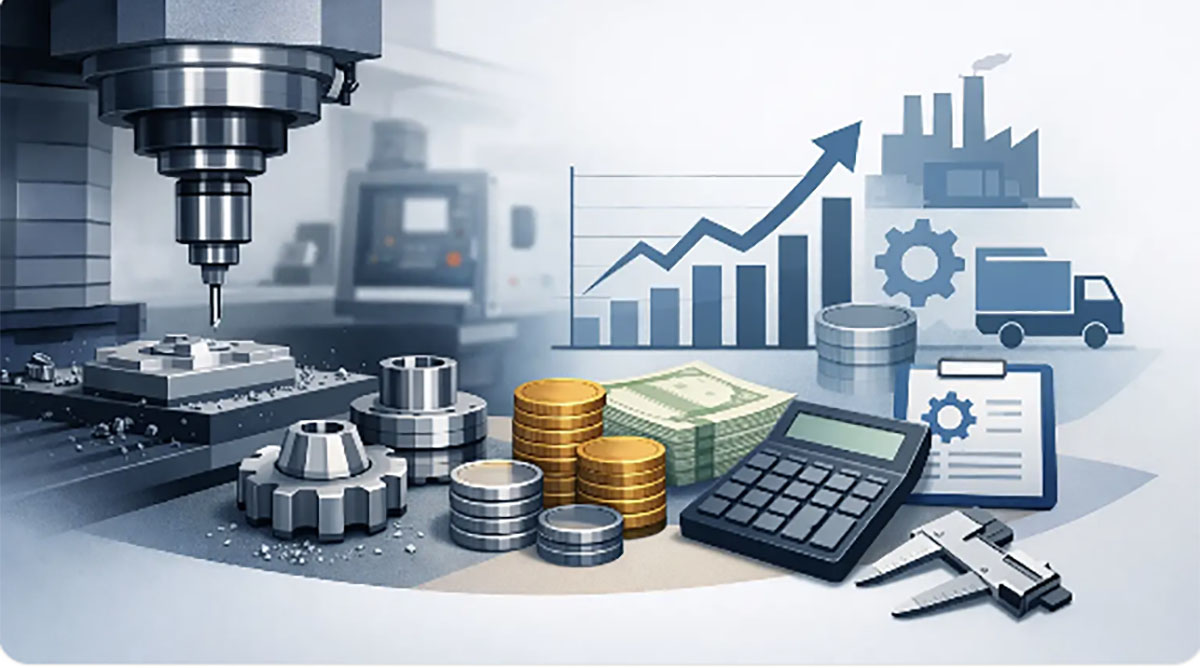
Learn what affects CNC machining cost, from material and tolerances to setup, tooling, quantities, and finishing, so you can quote parts more accurately.
A practical guide to contract manufacturing process, from DFM and tooling to pilot runs, quality control, assembly, and production scaling.
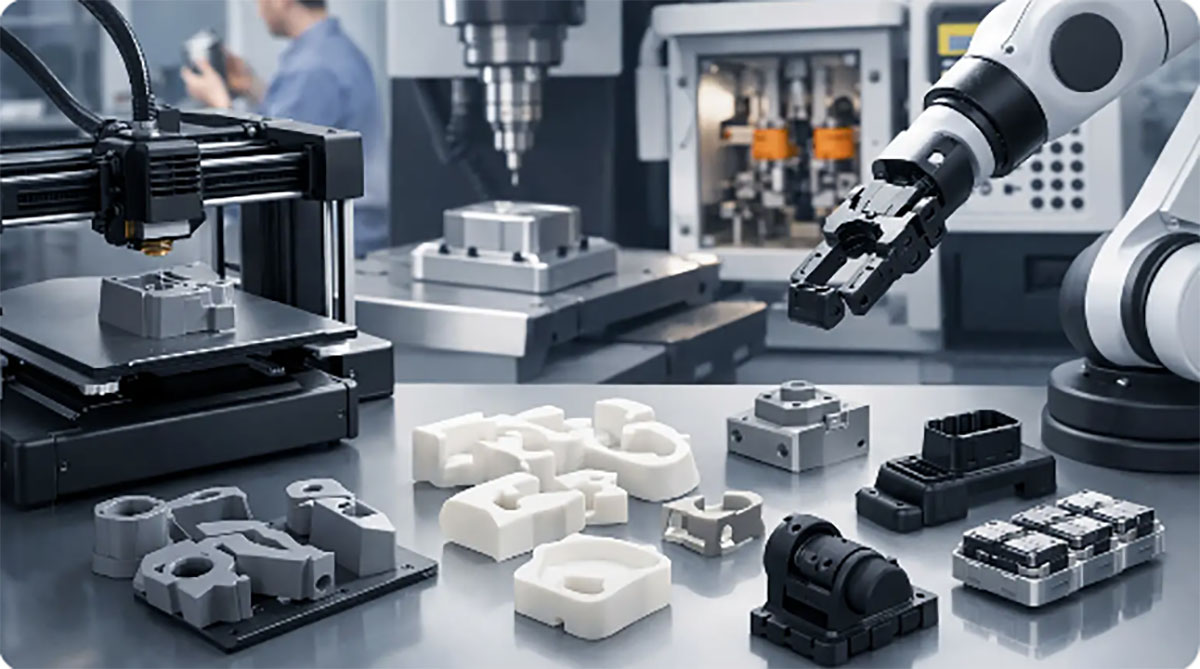
Compare the best low volume manufacturing options for prototypes, pilot runs, and bridge production with cost, tooling, quality, and lead time insights.
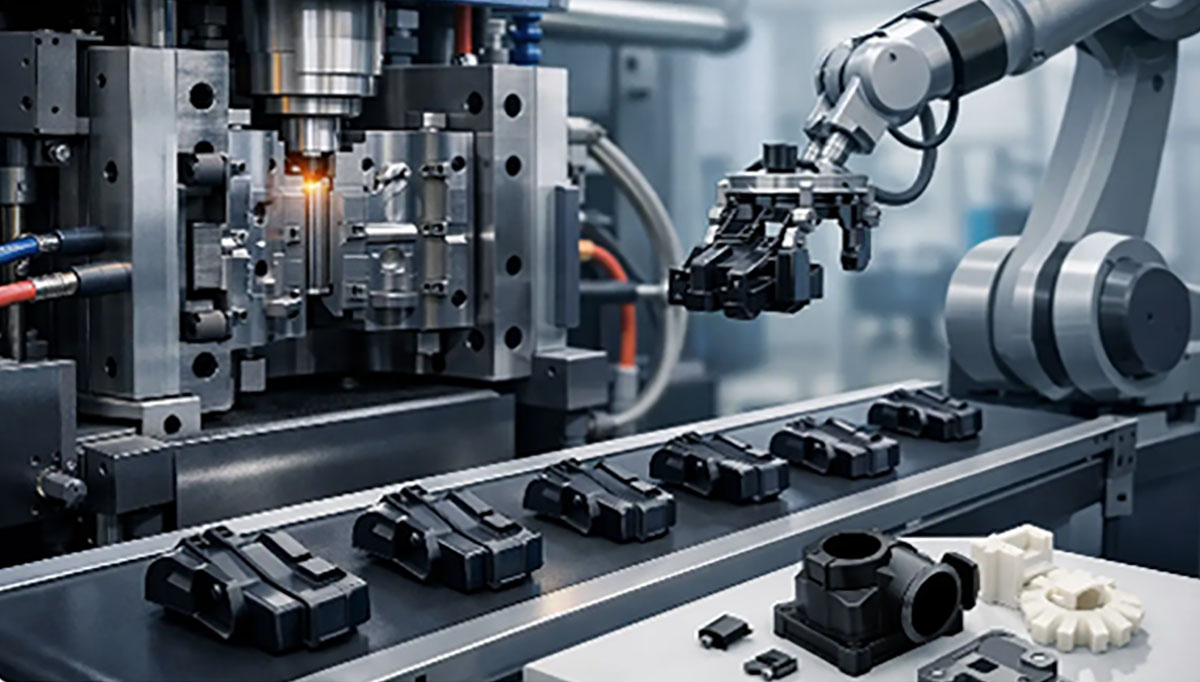
Injection molding delivers repeatable plastic parts at scale. Learn how tooling, material choice, and DFM affect cost, quality, and lead time.
Learn best practices for production quality control to reduce defects, improve consistency, and keep manufacturing on schedule and on spec.
Quality inspection in manufacturing helps control defects, protect schedules, and improve consistency across prototyping, tooling, and volume production.
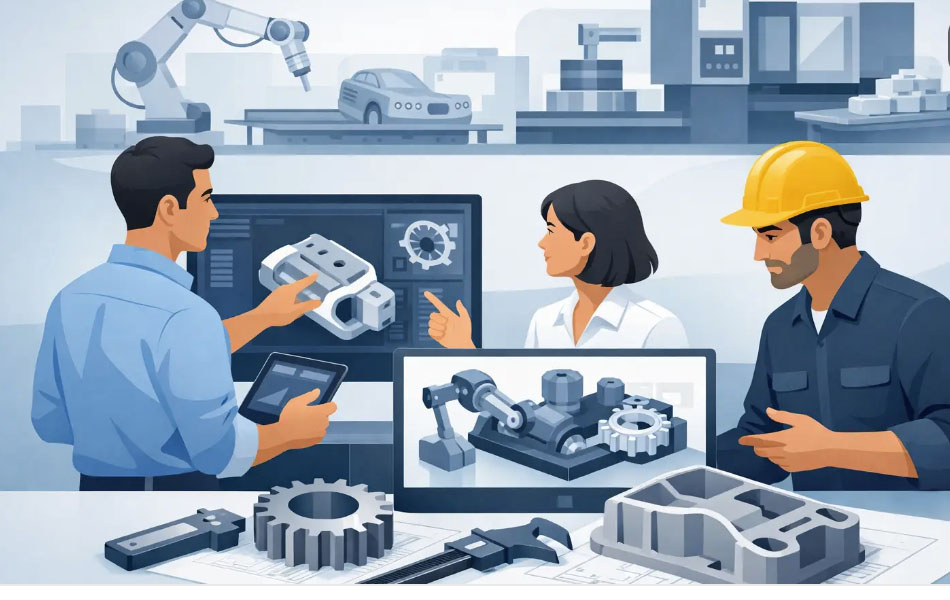
A design for manufacturing guide for engineers and sourcing teams to reduce tooling risk, control cost, improve quality, and scale production
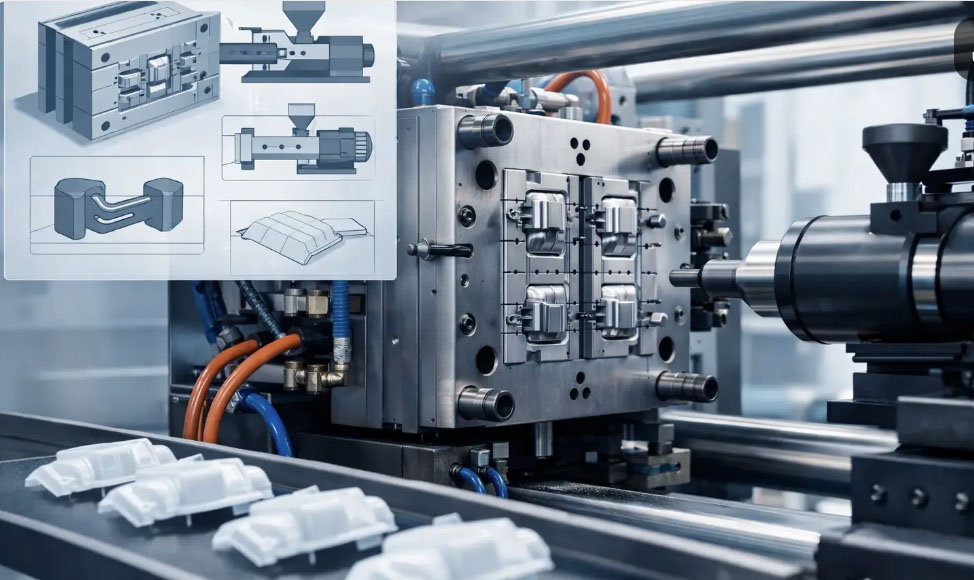
A practical injection mold tooling guide covering mold types, costs, timelines, DFM, steel selection, and quality factors for production planning.
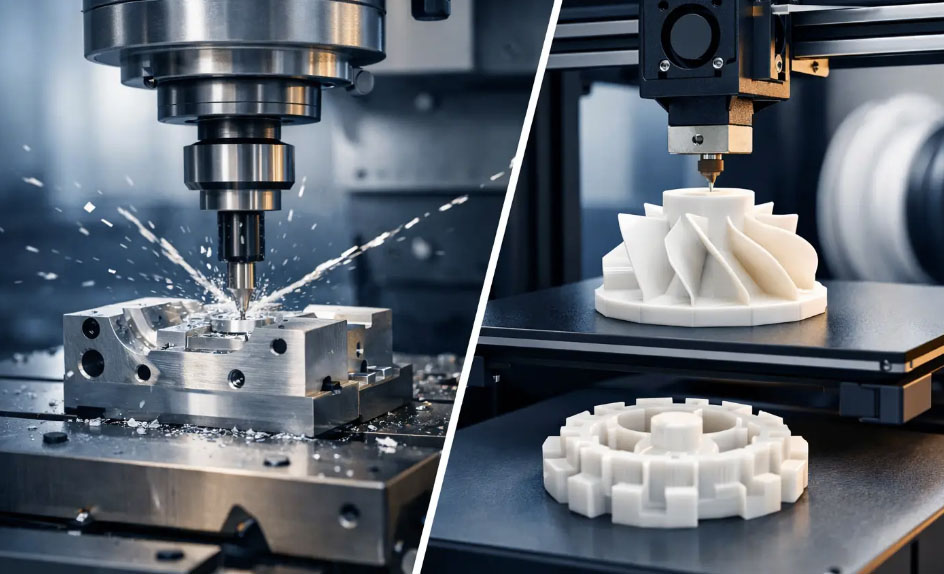
Compare cnc machining vs 3d printing for prototypes and production. Learn the tradeoffs in cost, speed, materials, tolerances, and scale.
CNC machining supports fast prototypes, fixtures, and production parts with tight tolerances, stable quality, and efficient scaling.
Xiamen Creator Technology